Is Art a Good Investment?
Yes, but let’s define what is meant by investment.
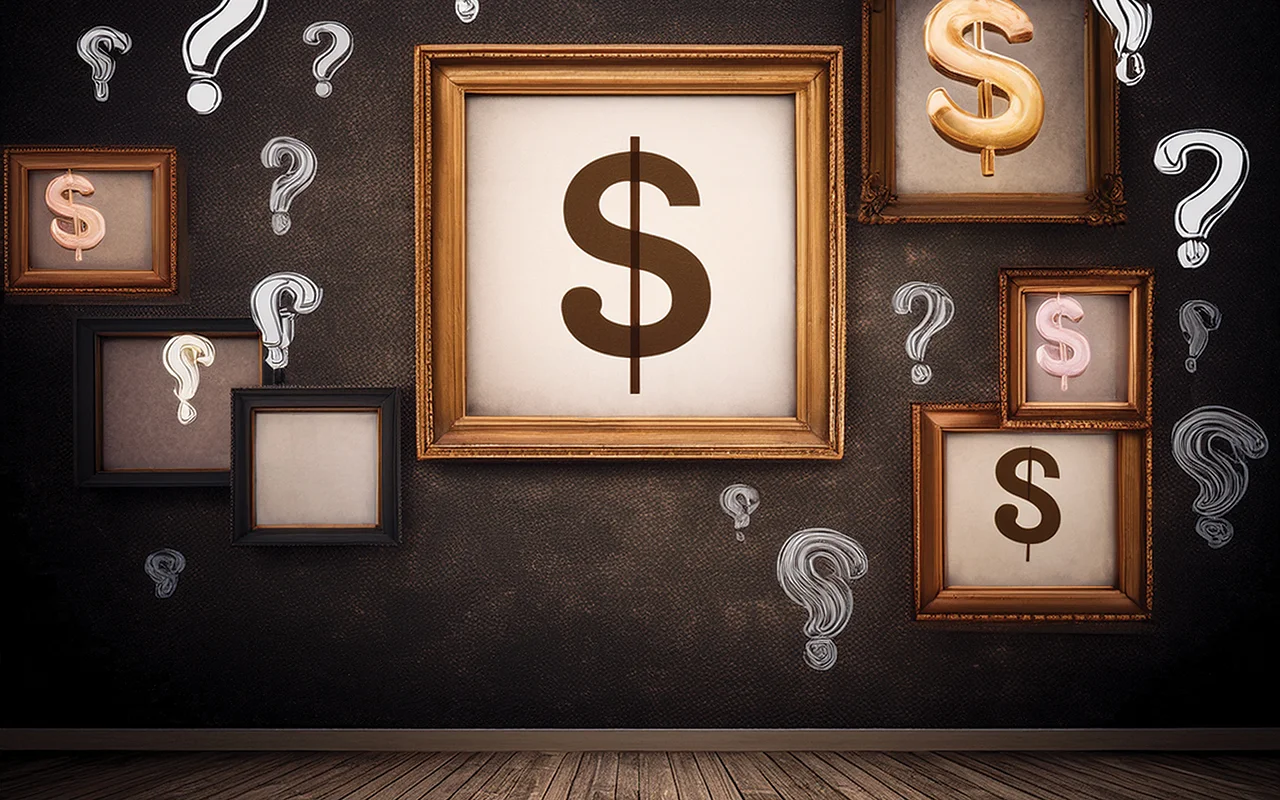
The real question many collectors are asking is, “Will this artwork increase in value?” This a financial question, and answering it requires research and data. It involves analyzing current and historical market trends, comparable sales in both the primary and secondary markets, and understanding where an artist fits within the broader marketplace. Sometimes it also requires understanding where a particular work falls within an artist’s oeuvre, or body of work. Not every painting, print, or sculpture by the same artist carries the same market value or appeal.
My practice as an appraiser seeks to understand and answer the financial question. I provide appraisals for insurance, estate planning, charitable contributions, and other legal or tax purposes. Each of these may require a different definition of value and methodologies. Thus, the approaches will vary. More on those nuances next issue. But first, let’s try to answer the first part of the question: Is art a good financial investment?
People seem to assume that buying art is like buying a home; that its value will naturally increase over time. Sometimes it does, sometimes it doesn’t. Unlike stocks, there is no daily market price for a work of art, no guarantee of finding a buyer, and no certainty that it can be sold quickly or for the amount you expect.
The art market is also unpredictable. Collector tastes change. Museum exhibitions reshape reputations. These and other economic conditions can lead to the rise and fall of value. For example: A painting purchased for $10,000 twenty years ago and worth $15,000 today may sound like a financial success, but once inflation is considered, the owner’s purchasing power may have actually declined. Looking only at the sales data rarely tells the whole story. Determining an accurate value is about understanding where an artwork fits in today’s market, based on historical sales, current demand, rarity, condition, and other measurable factors.
From my appraisal experience, I have seen the greatest returns come from two different approaches: purchasing contemporary artists before they became widely recognized and acquiring works by well-established artists whose reputations and markets continued to strengthen over time. In both cases, however, it was the long game. Those returns often took decades to realize. What these collectors had in common was that they bought work they genuinely loved and/or believed in.
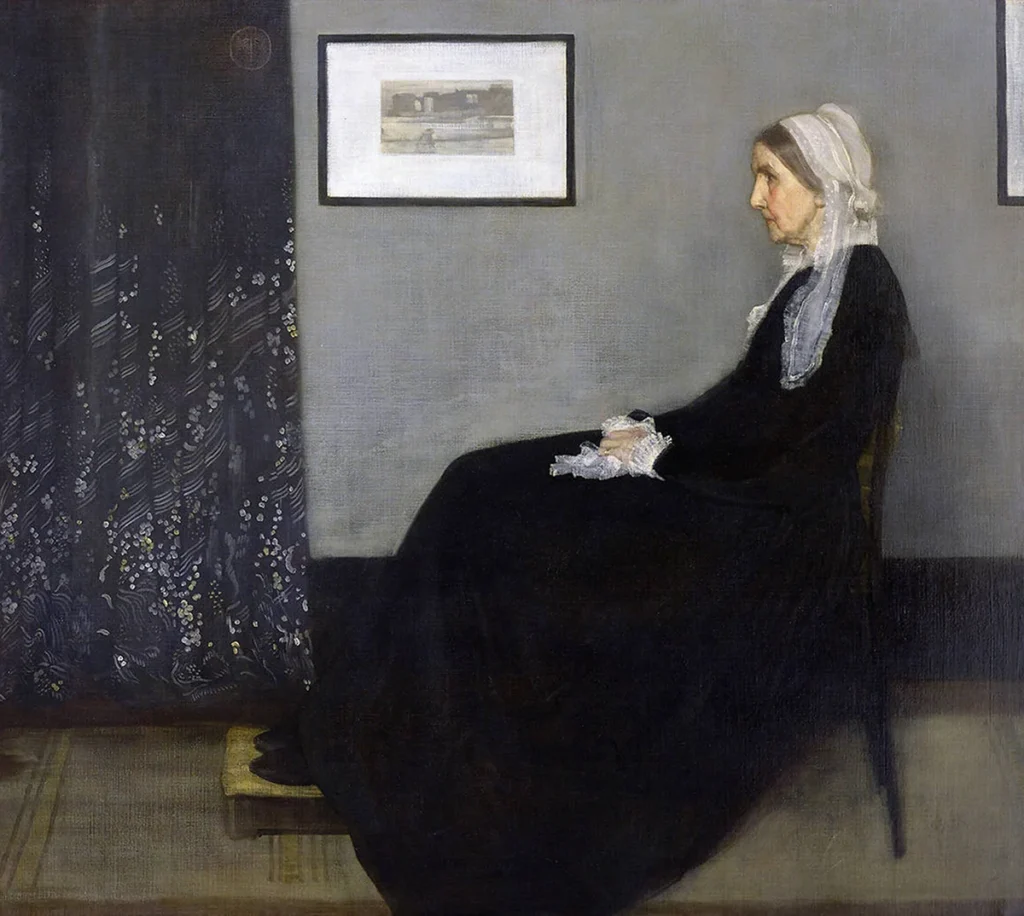
James Abbott McNeill Whistler, Arrangement in Grey and Black No. 1, 1871
Where you buy in the market also matters. The farther up the market you buy, the more you’re investing in an established marketplace. The farther down the market, the more you’re investing in an artist’s future. Which brings us back to the original question, and another definition of investment.
So, should you buy art as an investment? Yes, but we need to redefine the word.
The first return on your investment begins when you hang the artwork in your home. Art becomes part of your daily life. It can inspire, challenge, comfort, or simply make you laugh every time you see it. This form of value cannot be measured at auction.
Buying art is also an investment in artists and in your community. Every purchase supports artists, galleries, framers, conservators, and other creative professionals while strengthening the local arts economy.
Instead of asking, Will this be worth more someday? perhaps the better questions are: Do I love living with it? Does it enrich my life?
So, is art a good investment? Financially, sometimes. Personally, almost always. Buy something you love, and if its financial value grows over time, consider that a bonus. •