Pedro Hernandez
The Apelles Palette
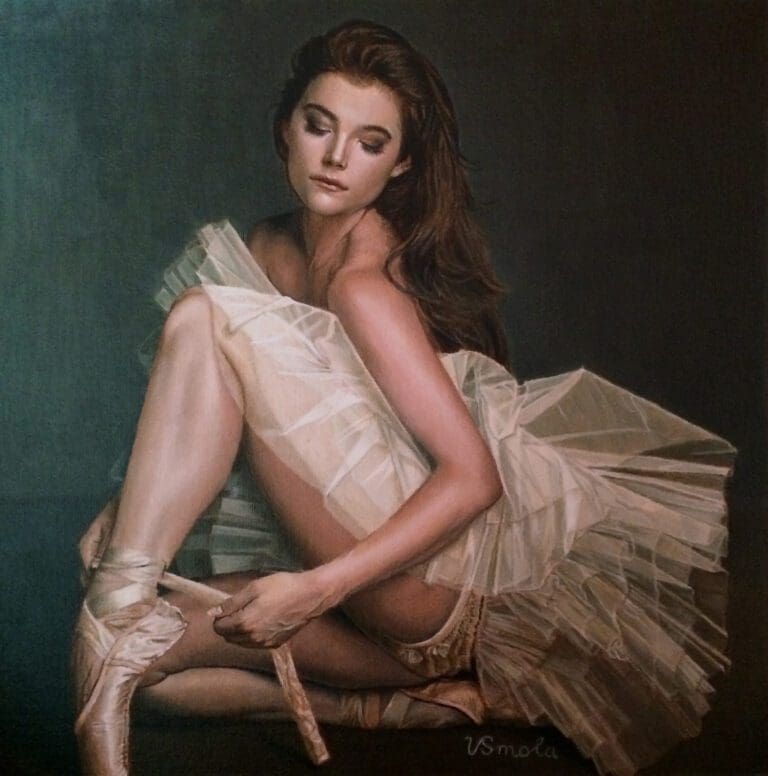
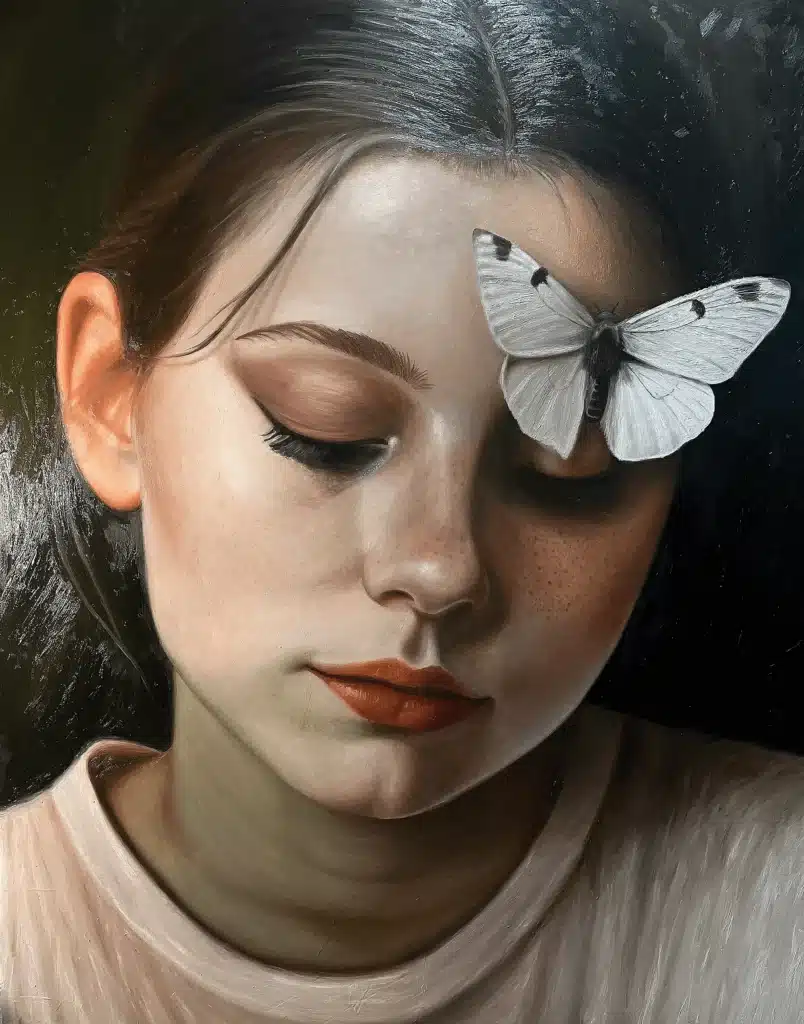
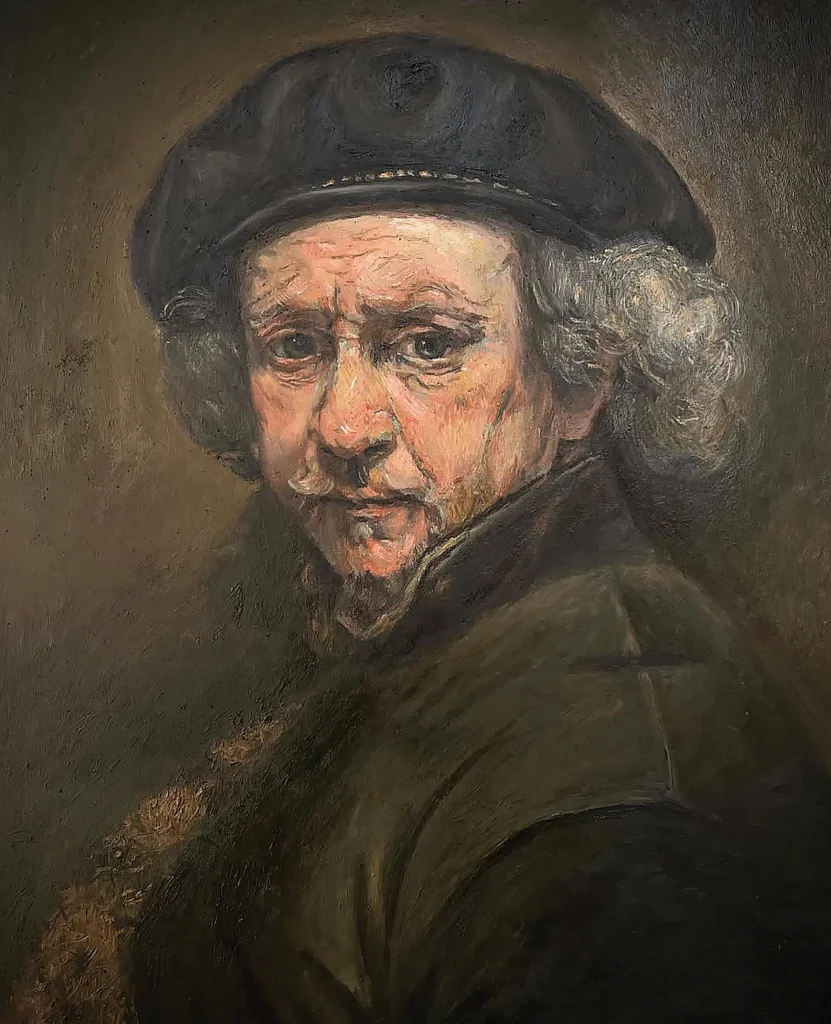
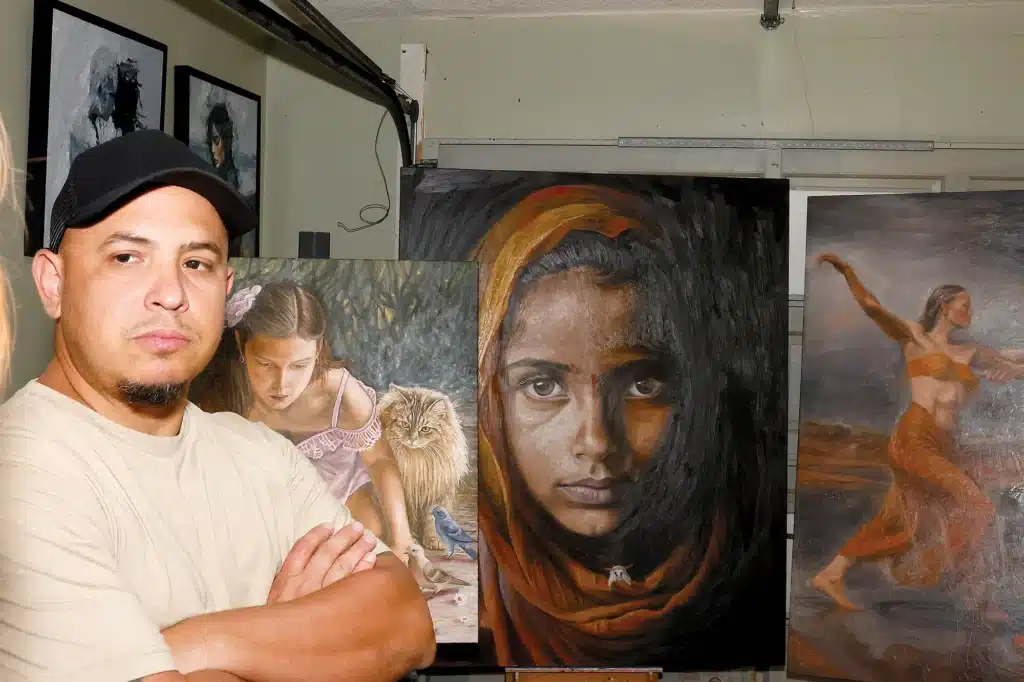
“Magic Realism”: this is the term used by local artist Pedro Hernandez to describe his unique style of oil painting. Within each piece, you may see ballerinas, insects, couples, and figures from all walks of life, viewed through a soft, dreamy lens. Through the use of color and light, he seeks to build upon the techniques of renowned baroque painters, bringing their influence into the modern era. Pedro’s rendition of Rembrandt’s Self-Portrait (1659) hangs on the wall of his Palm Harbor studio, exemplifying his dedication to the legacy of the old masters. However, the subjects of his work are decidedly modern, and in many cases defy reality, crossing over into the realm of the surreal.
Born and raised in Cuba, Pedro’s interest in art began in his childhood. Despite being unable to provide proper materials, his mother supported his passion, even allowing him space to draw and paint on one of the walls of their home. As the years passed, he persevered in his work, culminating in his acceptance to the Escuela Nacional de Instructores de Arte (National School of Art Instructors) outside of Havana. There, he spent four years studying and honing his skills in the field of visual art. This journey was marked by difficulty due to lack of supplies, but also by inspiration, as the beauty of the land and local culture lended itself to his creative process. After graduation, Pedro relocated to the United States to begin his career, putting roots down in the Saint Petersburg Area in 2004.
Starting out as an artist is challenging for those already familiar with the local community, and can be even more daunting for a newcomer. Fully immersing himself in the Tampa Bay art scene around 2016, Pedro, along with his wife Yandira, began visiting galleries, attending events, and meeting like-minded people. In an interview with Voyage Tampa, he described his early experiences:
“Personally, I didn’t know anyone in the art scene, so I had to go from gallery to gallery and venue to venue to see who was willing to show my work!”
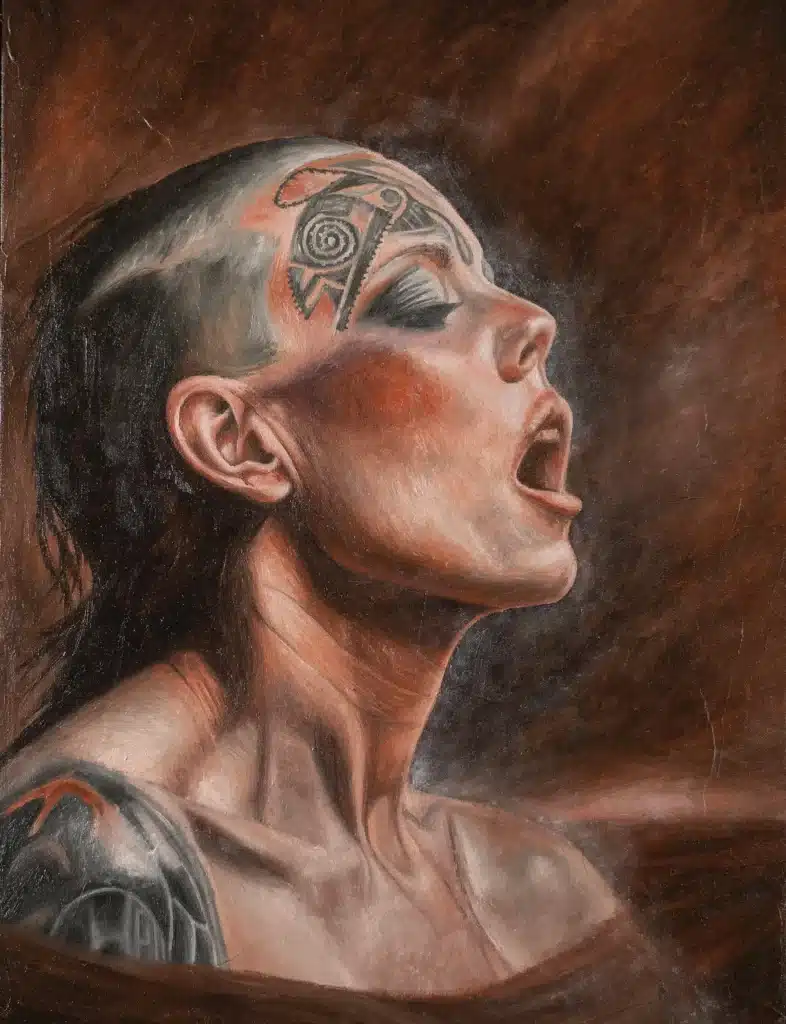
He began creating works with acrylic paint, often in a pop art style – these pieces featured realistic depictions of celebrities and other influential figures, incorporating bright colors and drawing on modern art styles such as graffiti. From his perspective, he wanted to create art that was in line with what was trending at the time. The subject matter and core style of his paintings have been largely consistent however, with the realistic human form being his primary focus. Plants and animals are also commonly featured motifs. For Pedro, the incorporation of this imagery represents his belief in the interconnectedness of all things. When he made the decision to focus on oil painting again in 2023, these themes continued to appear, but were cast in a new light.
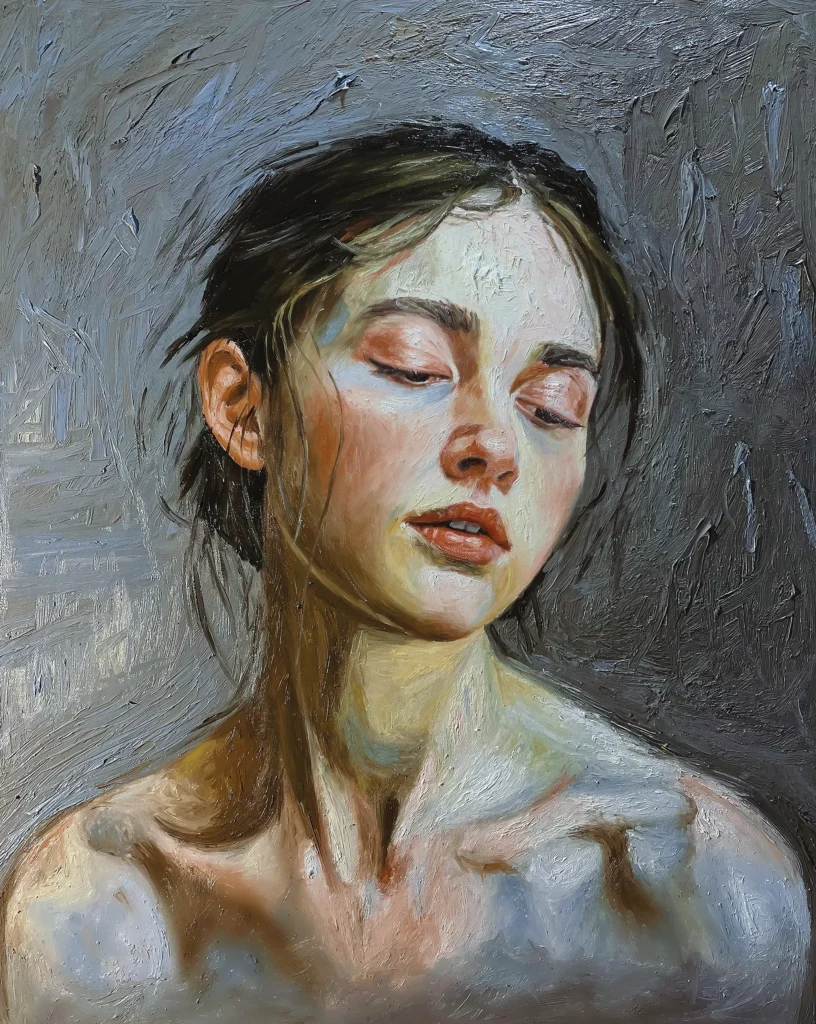
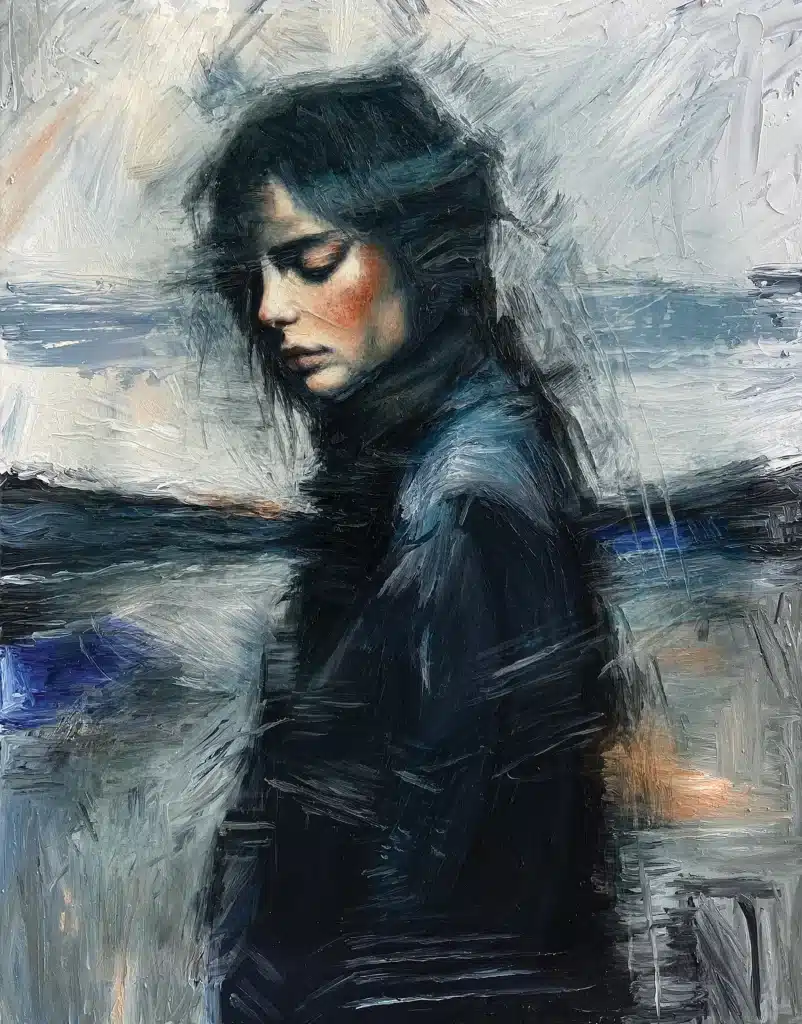
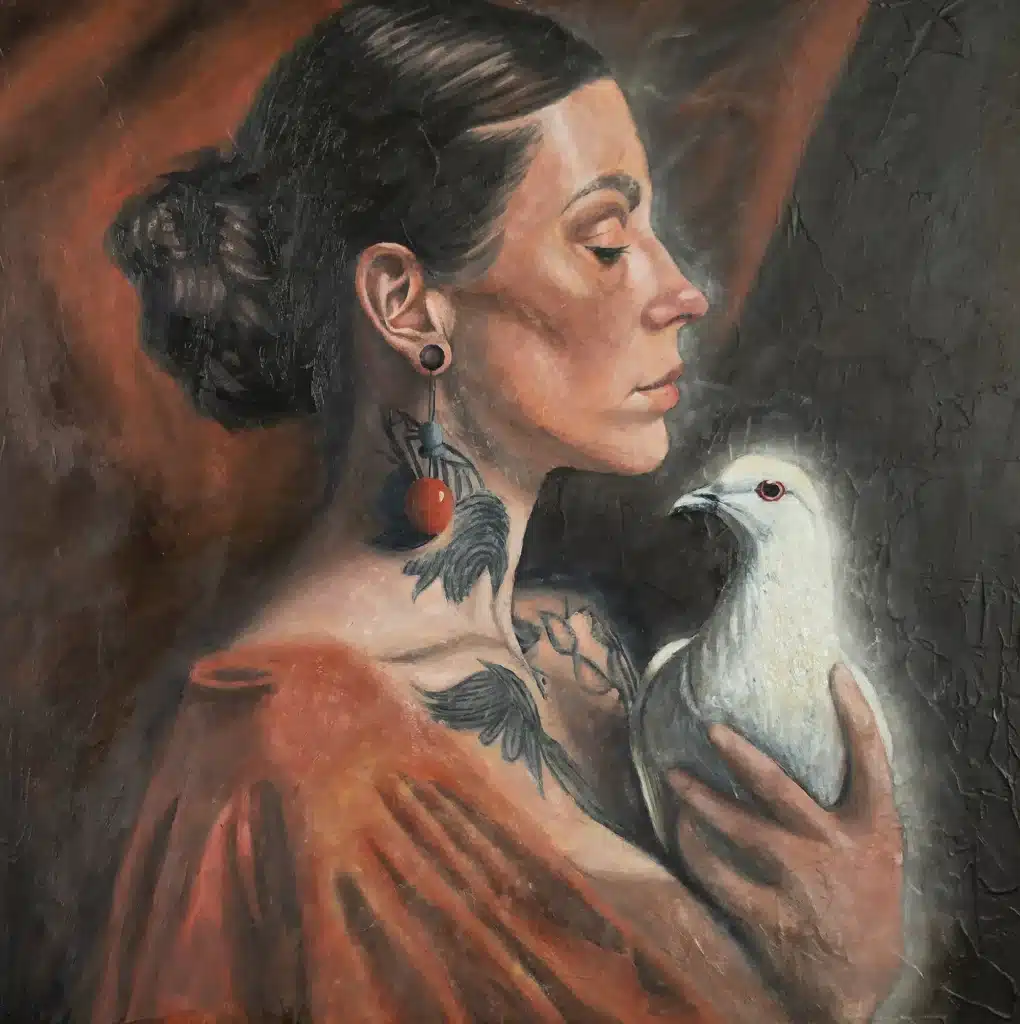
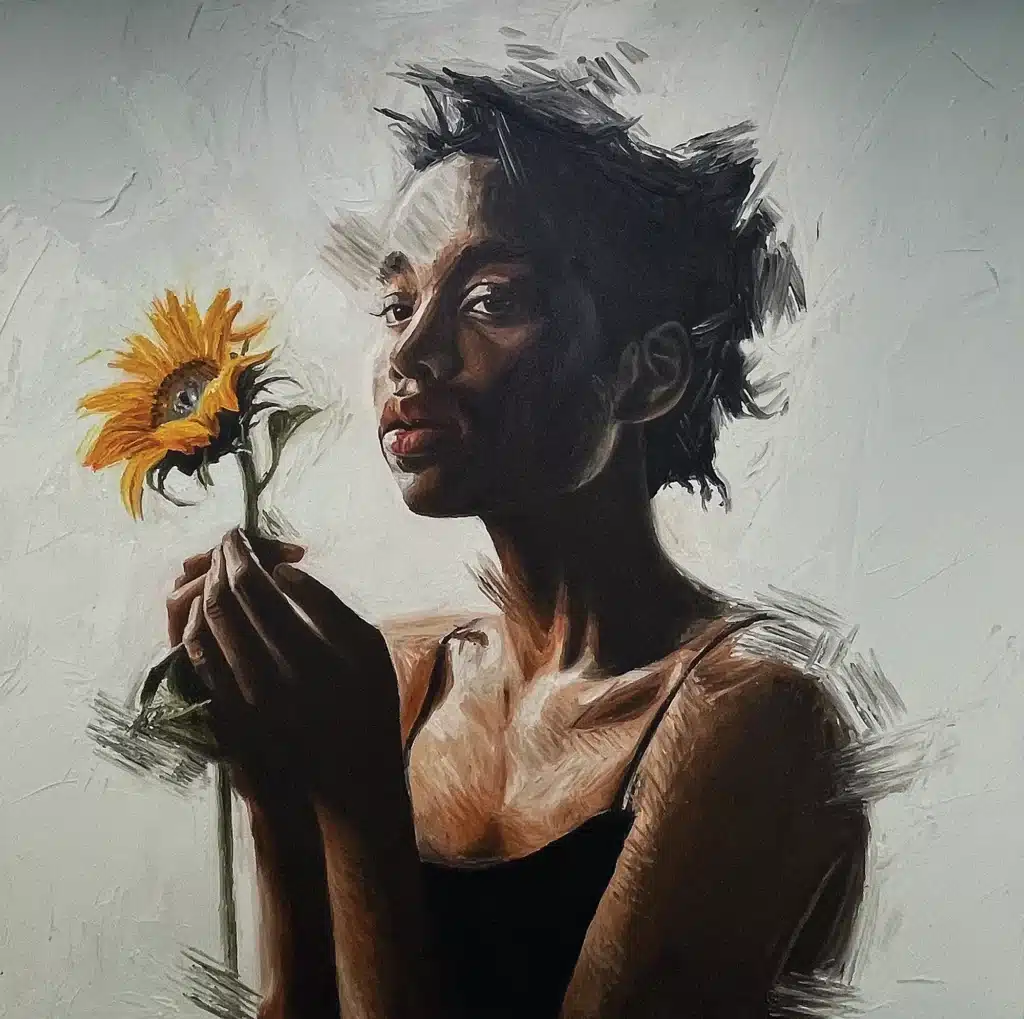
When observing the paintings of Rembrandt and Caravaggio, two distinguished Baroque artists, several features tend to stand out. Dramatic lighting evokes emotion and creates drama, while the distinct color palette establishes mood. Caravaggio is known historically for the stark realism his work conveys, while Rembrandt depicted his subjects as viewed through a more soft, subdued lens. The influence of these masters of oil painting is identifiable in Pedro’s recent work through several factors. First, as he pointed out in his studio, he works within the confines of a limited color palette. The Apelles palette is a traditional painting setup which consists of only four colors: black, white, yellow, and red. This approach sounds limiting, but Pedro uses it to achieve a tonal harmony throughout his works. The earthy, natural look achieved by mixing these four colors is also reminiscent of the landscape in Cuba, where he drew much of his early inspiration from, so working within the palette felt like a natural fit. Despite each of his paintings being unique, when displayed together, there is a visual flow present that has helped to define his style.
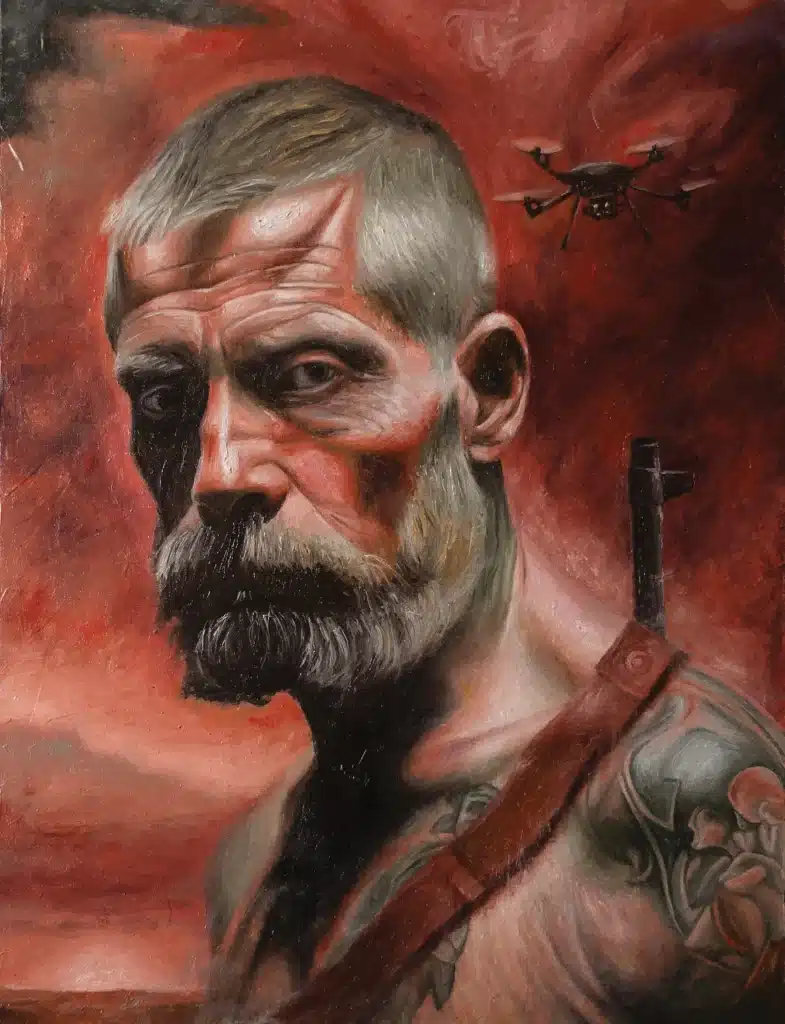
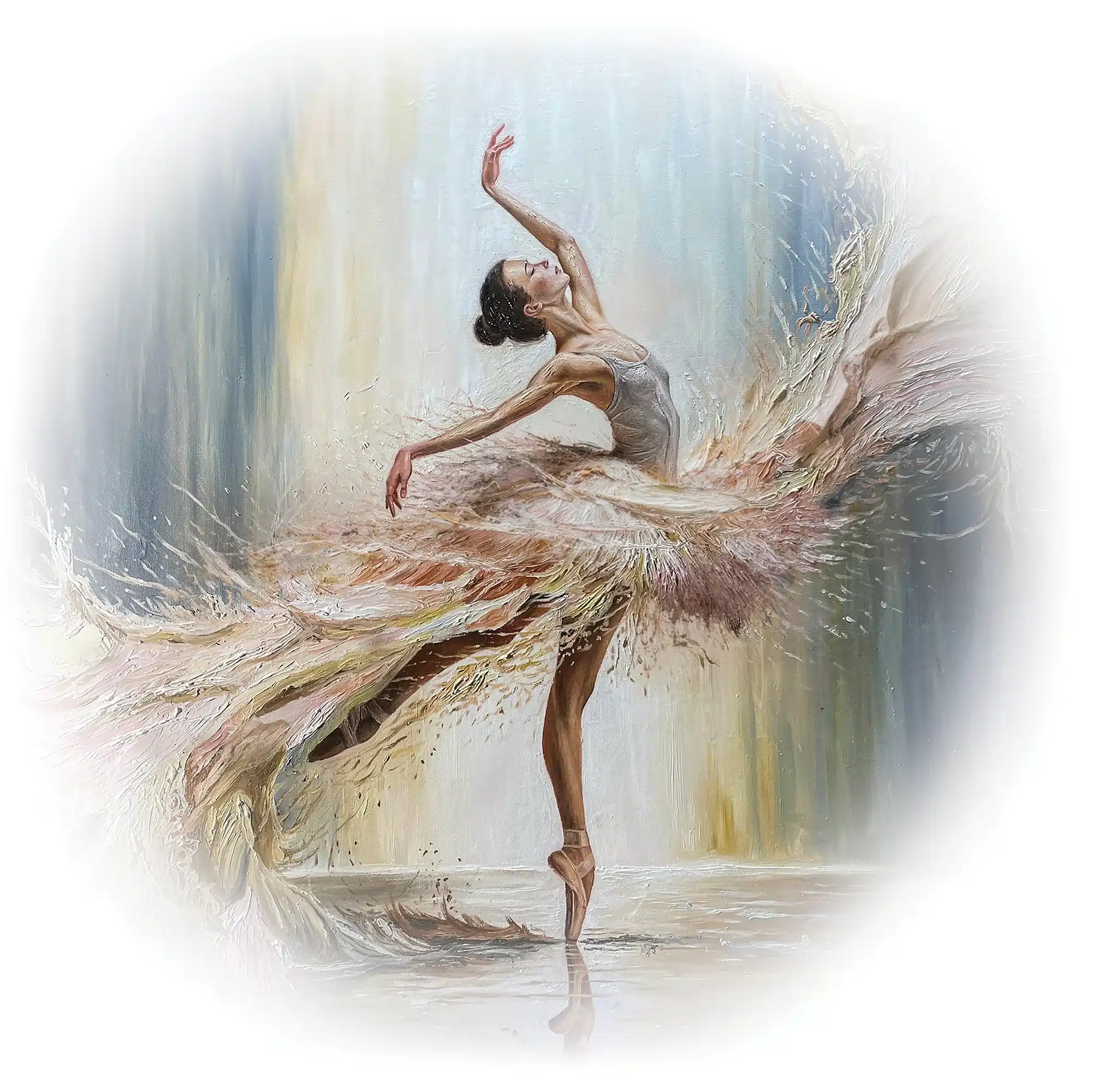
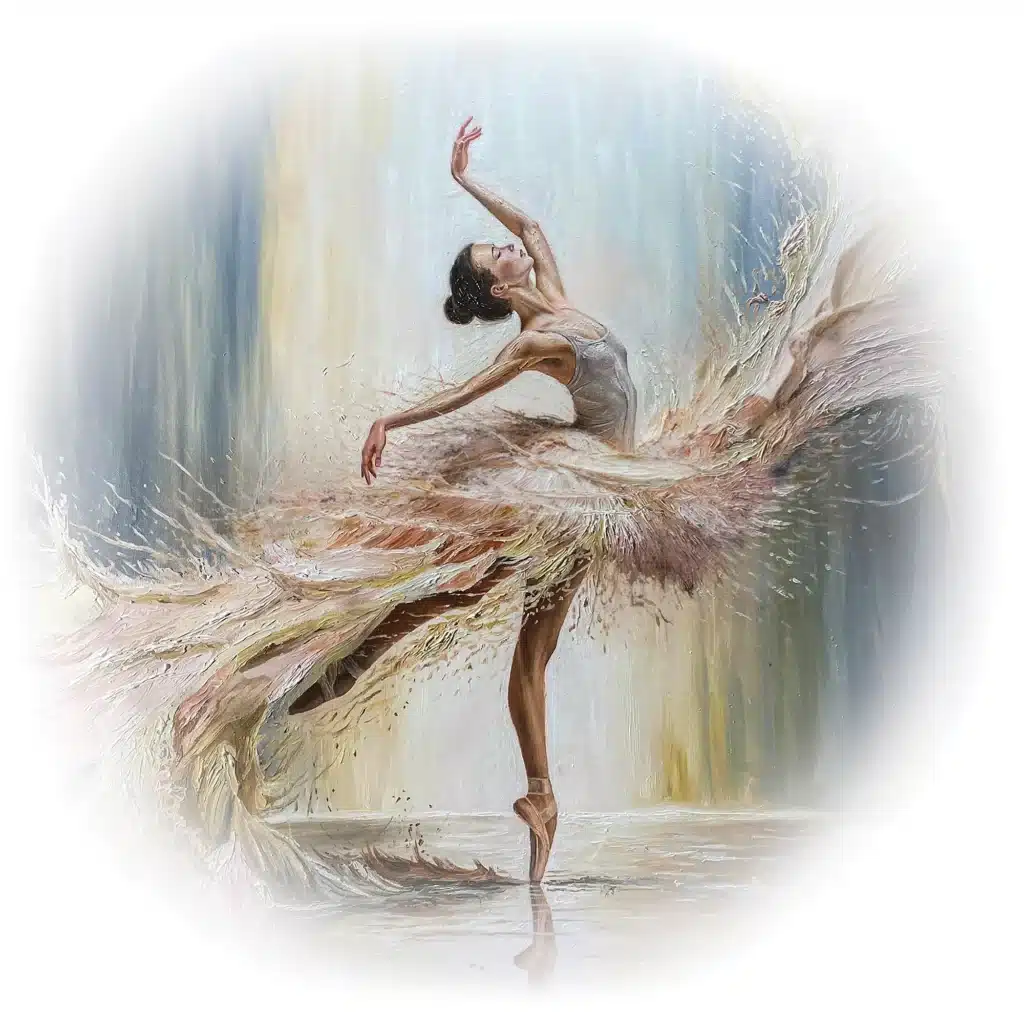
The techniques employed in creating his paintings may be those of the old school, but Pedro’s unique application aims to bridge tradition with the modern world. Emotional impact in a work of art often comes not from adding more, but rather from an understanding of what and how to emphasize. Light and shadow are used to go beyond simply capturing a moment – deep contrast draws the viewer’s eye to points of light, or makes them wonder what is hidden in the shadows. Long, rough brush strokes are often used in his paintings to create a feeling of movement and life. This is especially impactful when used in depicting dancers, who seem as if they’ve been caught within a flurry of motion. The description of one such painting, titled Ascension, reads:
“In this piece, movement dissolves into light as the dancer becomes one with a sweeping cascade of feathers, capturing the delicate balance between strength, beauty, and freedom.”
Pedro is currently working on a series of paintings featuring ballerinas, several of which have already sold. Birds such as sandhill cranes and flamingos, familiar to any Floridian, appear alongside several of the dancers. The curves and angles of their bodies reflect those of their human counterparts, inviting contemplation on the relationship between humanity and nature. Conversely, many of his works force the viewer to confront the subject up close, as they tell a story through their gaze. These striking portraits of subjects ranging from children to the elderly often feature muted backgrounds in classic baroque style. Adding to the impact, many of these paintings are quite large – some taking up to seventy hours to complete. Pedro works out of his home studio, which houses several completed projects alongside those that are still in progress.
After spending more than two decades building experience and community, Pedro Hernandez has established himself as a respected member of the art scene both in Saint Petersburg and beyond. August 15th marked the opening of Timeless, an exhibition of seven of his paintings at Tropical Home Gallery in Ybor City, and two of his pieces are even on display at the Museu Europeu d’Art Modern Hall exhibition in Barcelona, Spain. In our fast-paced modern world, it seems that many are searching for exactly what his work embodies: imagination, depth, and timeless artistic tradition. •