

At the heart of Shona sculpture is a spiritual worldview.
Sculptors, Mines, and the Spirit Within
In recent years, EnnYe Gallery owner Vini Mutsemi, alongside Matipa Mutsemi and Mercy Nyamangwanda, has introduced American audiences, particularly in St.Petersburg, to the powerful tradition of Shona stone sculpture from Zimbabwe. These works stand apart not only for their form, but for their origin: each begins deep within the earth, carved from ancient stone and shaped by artists whose lives and beliefs are inseparable from the land. This is not simply sculpture, it is geology, culture, and survival fused into objects.
The Origins: A Country Built on Stone
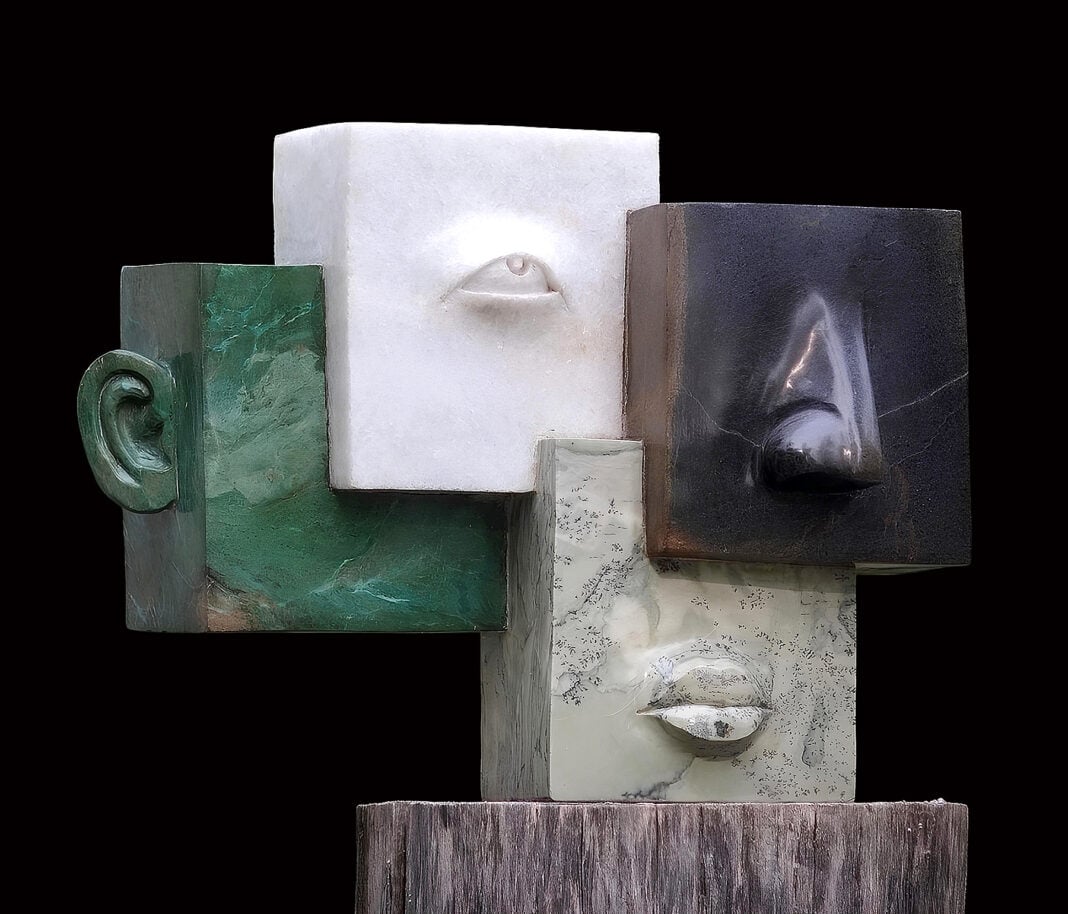
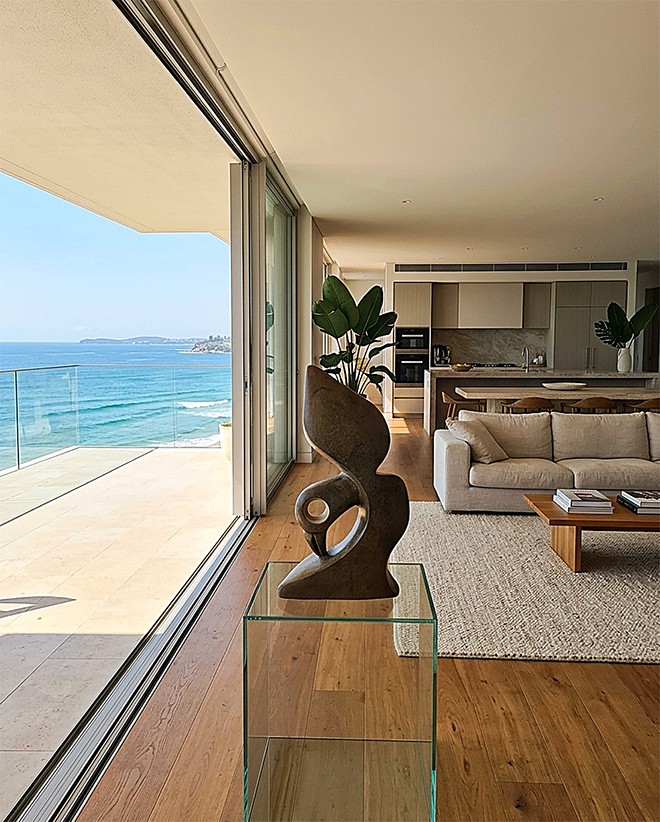
The name Zimbabwe means “house of stone,” reflecting a nation whose artistic identity is rooted in geology. EnnYe Gallery sources sculptures from locally mined materials such as serpentine, opalstone, springstone, and verdite, stones that define the movement itself. Much of this material comes from the Great Dyke, a vast mineral formation running through the country.
In regions like Guruve, sculptors often quarry stone themselves or work with small-scale mining operations. These are labor-intensive environments where raw stone is extracted using basic tools. The mining process is the first act of creation: blocks are split from the earth, revealing colors from deep black to vivid green and gold. Each stone’s veins and fractures shape what it can become. For Shona artists, the material is not inert, it is believed to contain a spirit waiting to be revealed.
The Movement: From Local Practice to Global Recognition
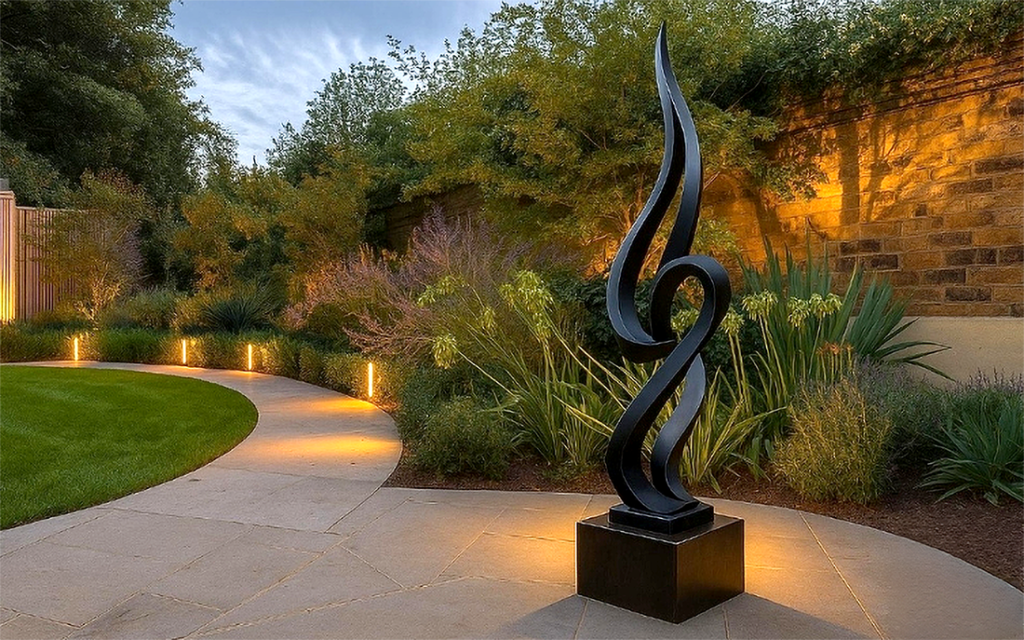
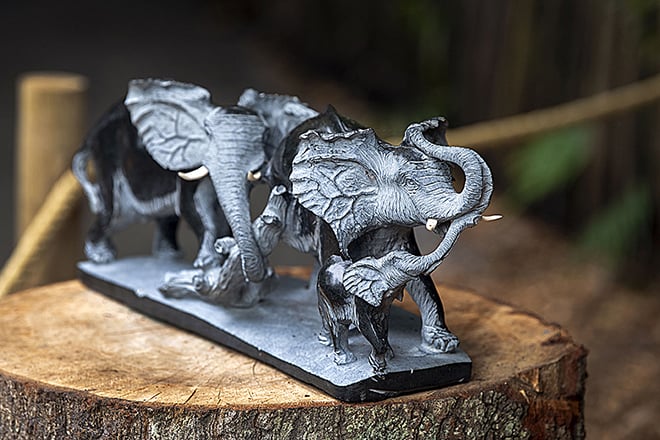
The modern Shona sculpture movement emerged in the mid-20th century, gaining international attention through pioneers like Henry Munyaradzi and Nicholas Mukomberanwa. Artist communities such as Tengenenge, near the Great Dyke, became vital hubs where sculptors lived and worked collectively, often as a response to economic hardship.
Over time, Shona sculpture has come to be regarded as one of the most significant art movements to emerge from Africa. Today, EnnYe Gallery continues this legacy by connecting Zimbabwean artists with global collectors.
From Mine to Masterpiece
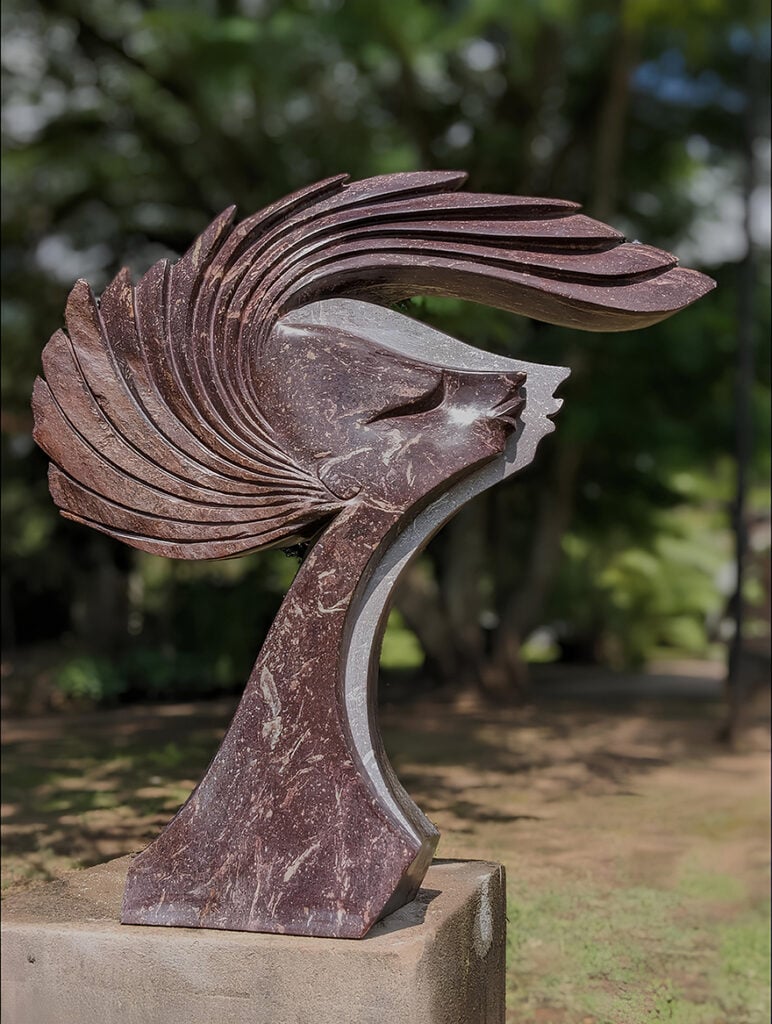
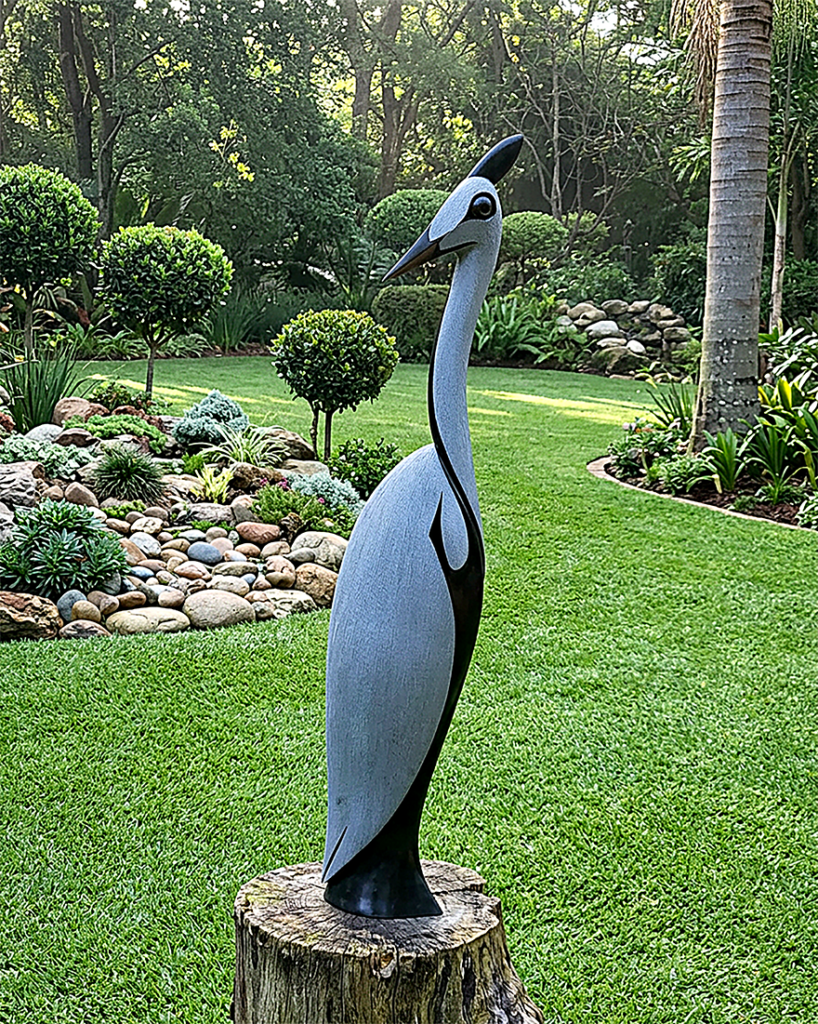
The journey from raw stone to finished sculpture is entirely hands-on. Artists begin by studying the natural shape of the stone, often describing their process as discovering rather than imposing form. Using chisels, hammers, and rasps, frequently handmade, they gradually carve the piece over days, weeks, or months.
Polishing is the final stage, revealing the stone’s depth and color through sanding and waxing. The result is a smooth, luminous surface. Each work is unique: there are no molds or reproductions, only the singular interaction between artist and material.
Families and Living Traditions
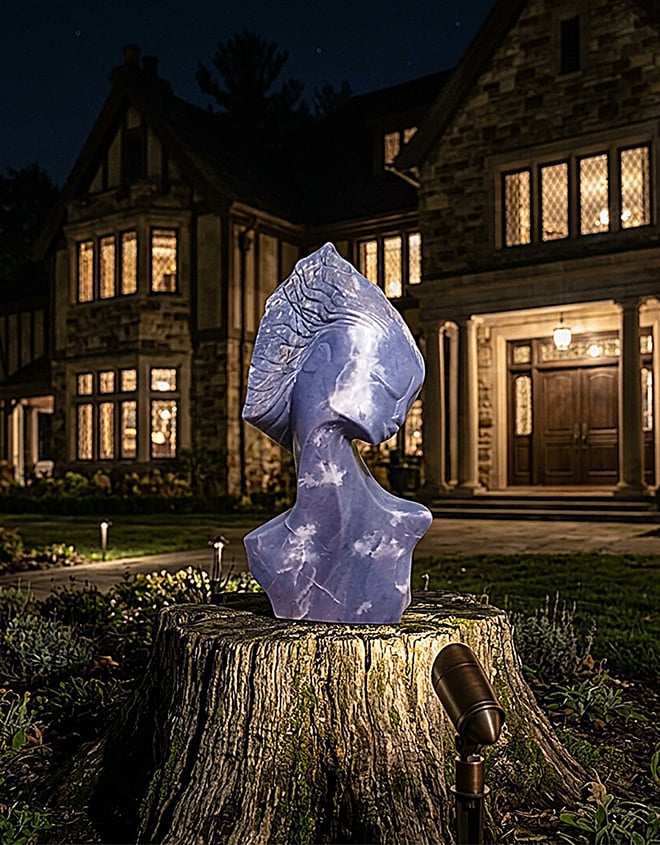
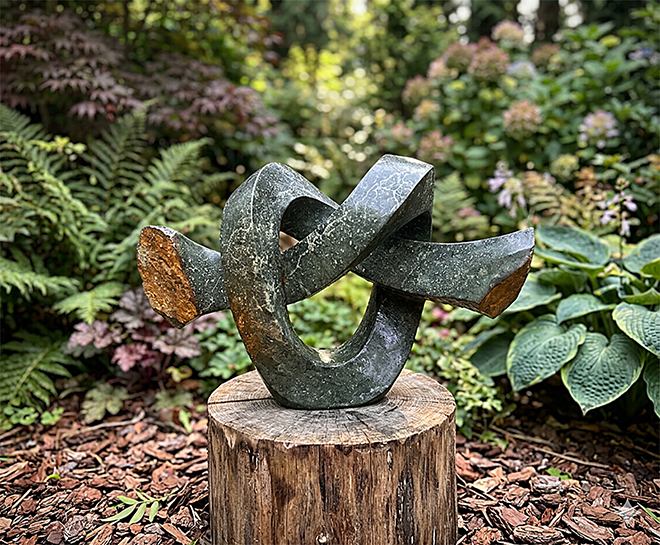
Zimbabwean sculpture is deeply rooted in family lineages. Entire generations often emerge from a single household, with skills passed down through observation and practice rather than formal schooling.
Artists like Grace Mukomberanwa helped establish this tradition, working alongside family members and training future sculptors. Contemporary artists such as Bronson Gengezha similarly learned within family workshops. EnnYe Gallery maintains direct relationships with many of these artists, supporting both authenticity and fair representation.
Themes and Symbolism
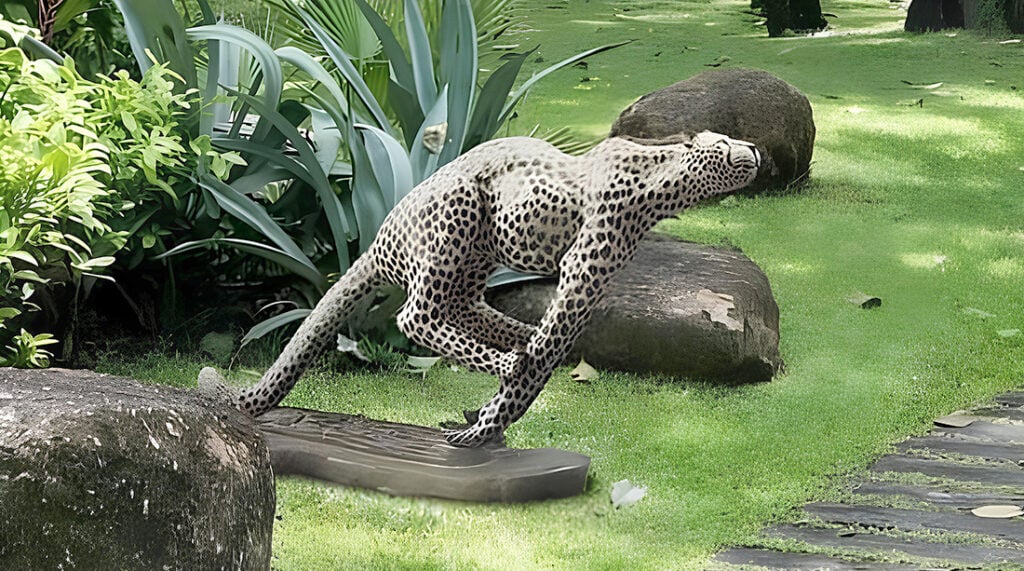
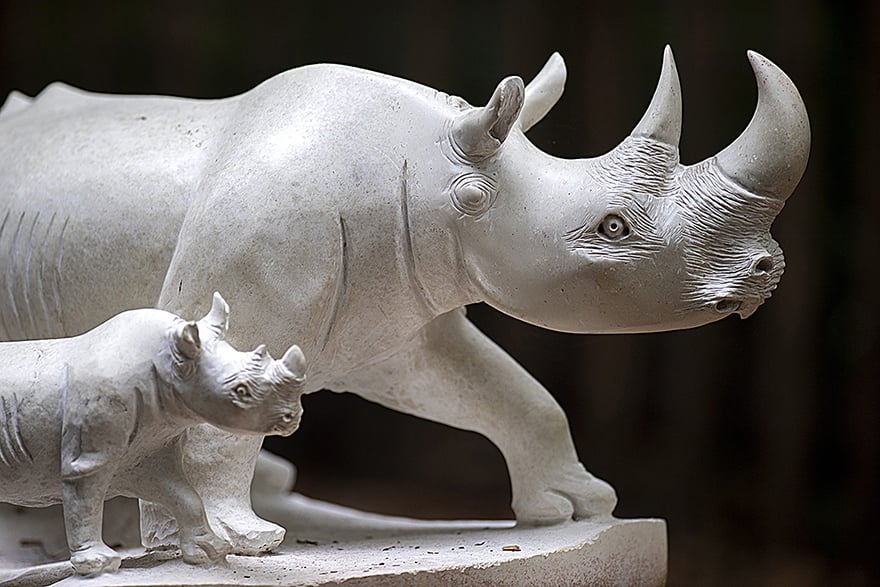
At the heart of Shona sculpture is a spiritual worldview. Many artists believe ancestral spirits inhabit the natural world, including stone. The sculptor’s role is to reveal what already exists within.
Common themes include family and community, transformation, nature, and spirituality. These are not merely decorative, they reflect lived experience in a country shaped by economic challenges. Yet the work often conveys resilience and optimism, with polished forms that suggest harmony and continuity.
EnnYe Gallery: Bridging Zimbabwe and the World
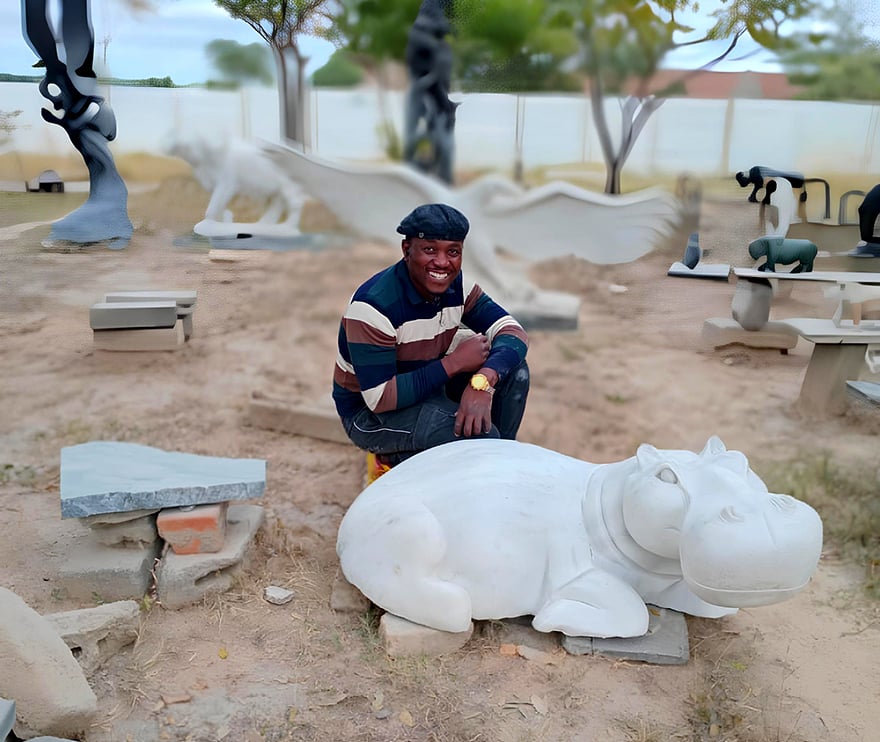
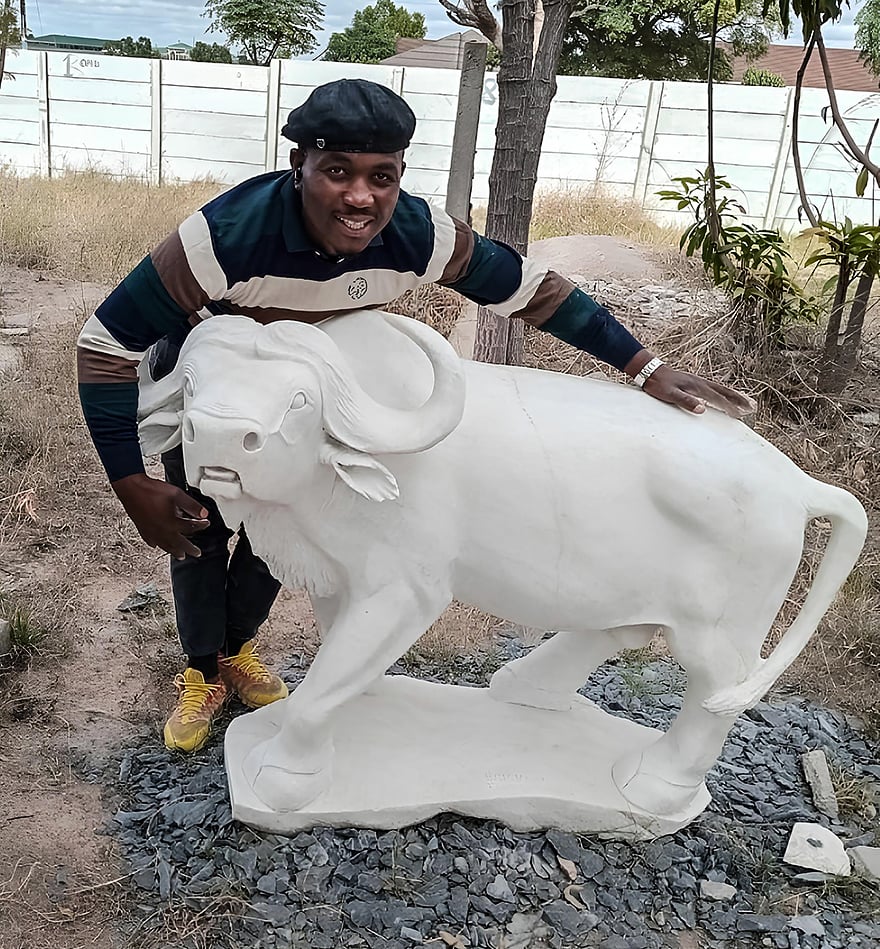
EnnYe Gallery serves as a direct link between Zimbabwean sculptors and international audiences. By working closely with artists, from urban studios in Harare to rural cooperatives, the gallery ensures authenticity, supports livelihoods, and showcases a wide range of talent. For many artists, this global exposure is essential.
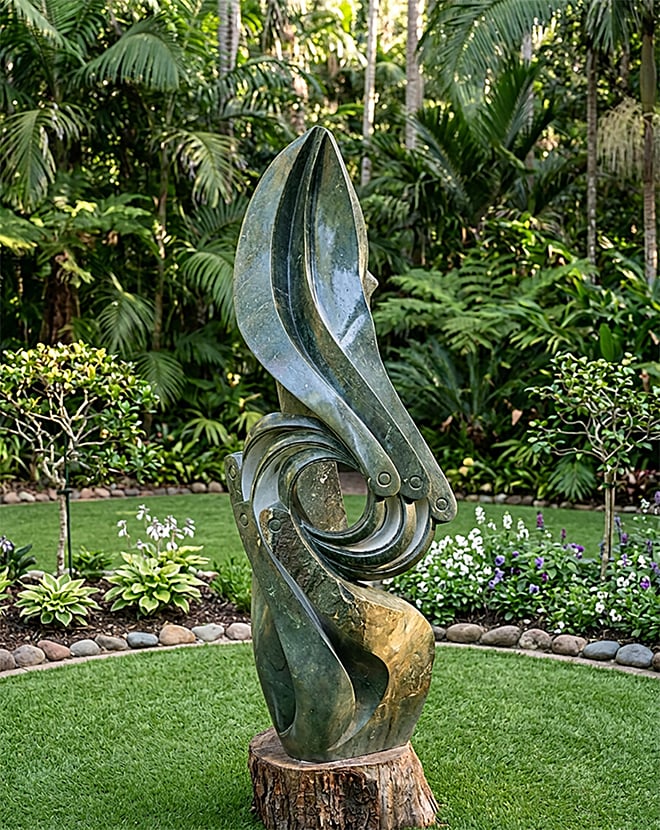
Shona sculpture continues to evolve, with contemporary artists exploring abstraction and new forms while maintaining the core belief that stone holds meaning. What began as a localized practice has become a global movement, now featured in collections worldwide.
Conclusion
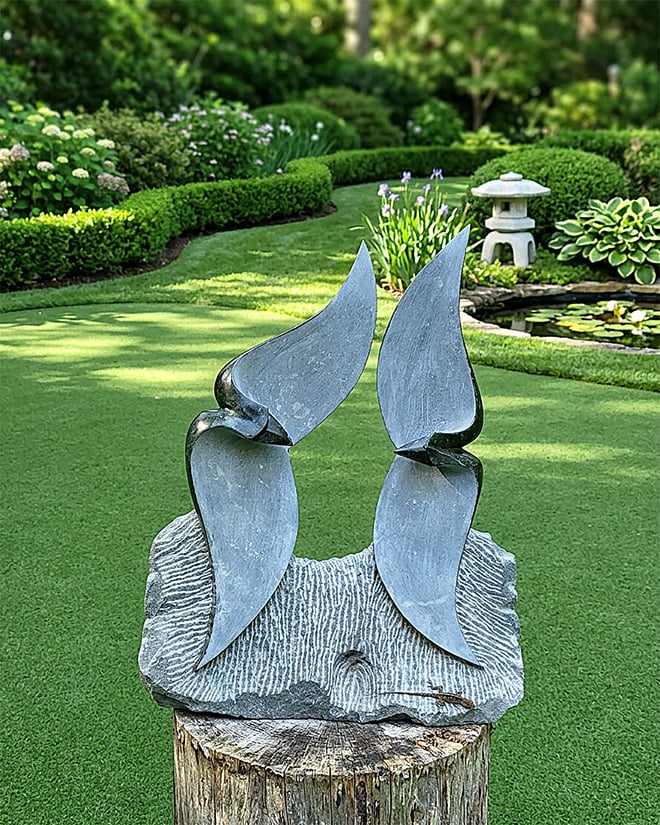
Each sculpture at EnnYe Gallery carries a story that begins beneath the earth and passes through the hands of miners and artists alike. These are not mass-produced objects, but singular expressions of place, identity, and resilience, each one shaped by the enduring belief that spirit resides within the stone. •
Click for Website: