

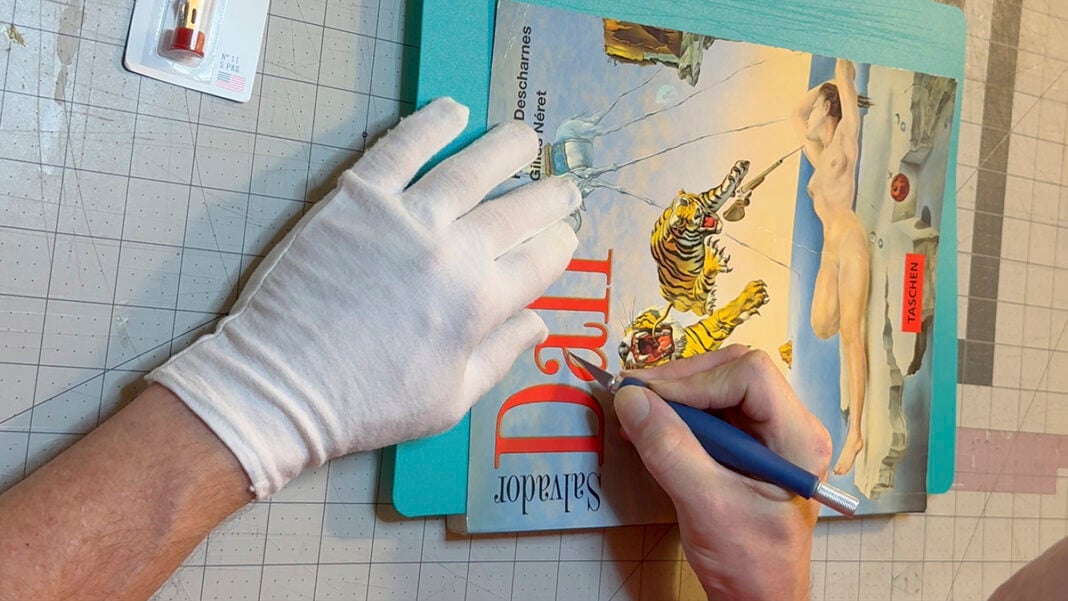
Books are everywhere at Ted Wray’s studio, though they no longer function as carriers of written language. Stacked, compressed, bent, and carved, they become a new piece of unique material art. In Wray’s hands, the book is transformed from a vehicle of information into a sculptural form.
Based in St. Petersburg, Wray works primarily with found books: encyclopedias, dictionaries, atlases, and other once-authoritative volumes that have fallen out of use. These books, often discarded, carry with them a quiet cultural interest. They represent permanence in a moment defined by change.
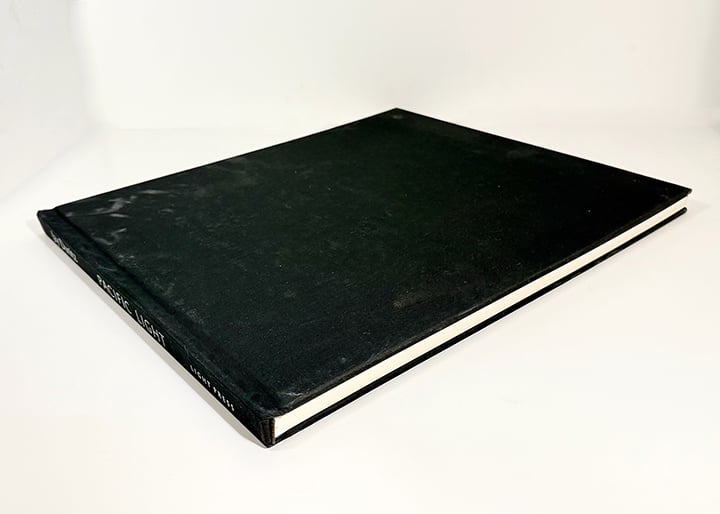
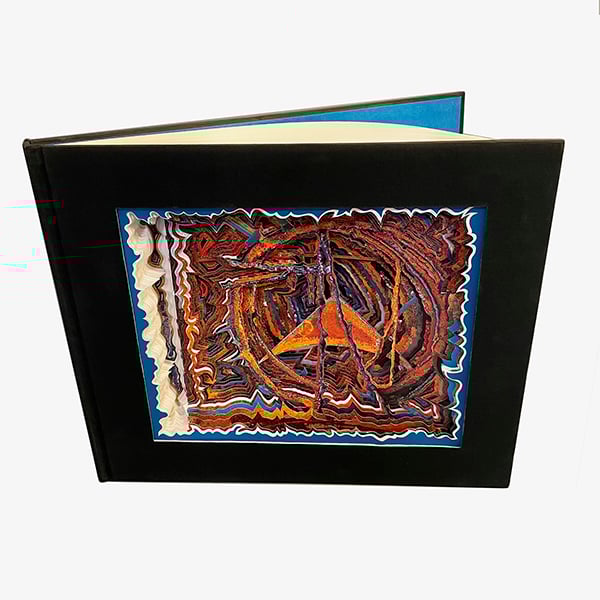
Rather than erasing the book’s identity, Wray reconfigures it. Pages are compacted into dense strata, spines bent or reshaped, text carved and rendered unreadable yet newly legible as multi-dimensional form. Content shifts from written word to design. The act of reading is replaced by an experience of balance and space.
There is a strong architectural sensibility in the work. Many pieces resemble compressed landscapes, columns, or fragments of built environments. Negative space is treated with the same care as material presence, and each sculpture is meticulously balanced, both physically and visually.
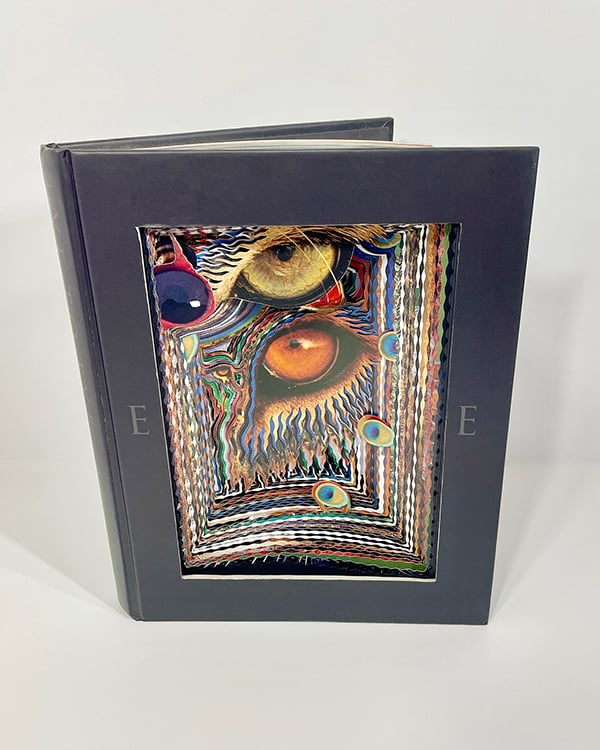
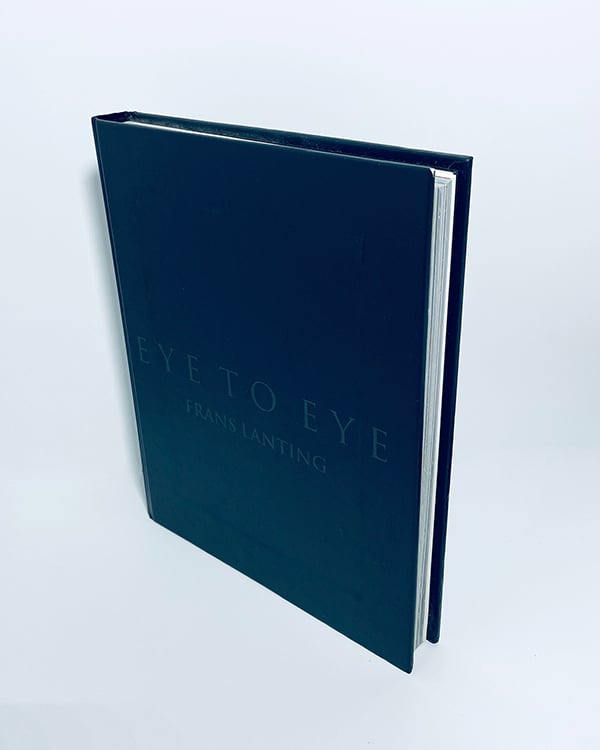
Wray’s background is in printing and design. Books have qualities that are increasingly shifting in contemporary culture. By altering their form, Wray invites reflection on how information is stored, valued, and ultimately discarded.
Language, while present, is often obscured. Printed pages may be folded inward, carved or layered beyond legibility. What remains is the suggestion of knowledge: compressed, inaccessible, but undeniably present. The viewer is left to consider what was, and what now is.
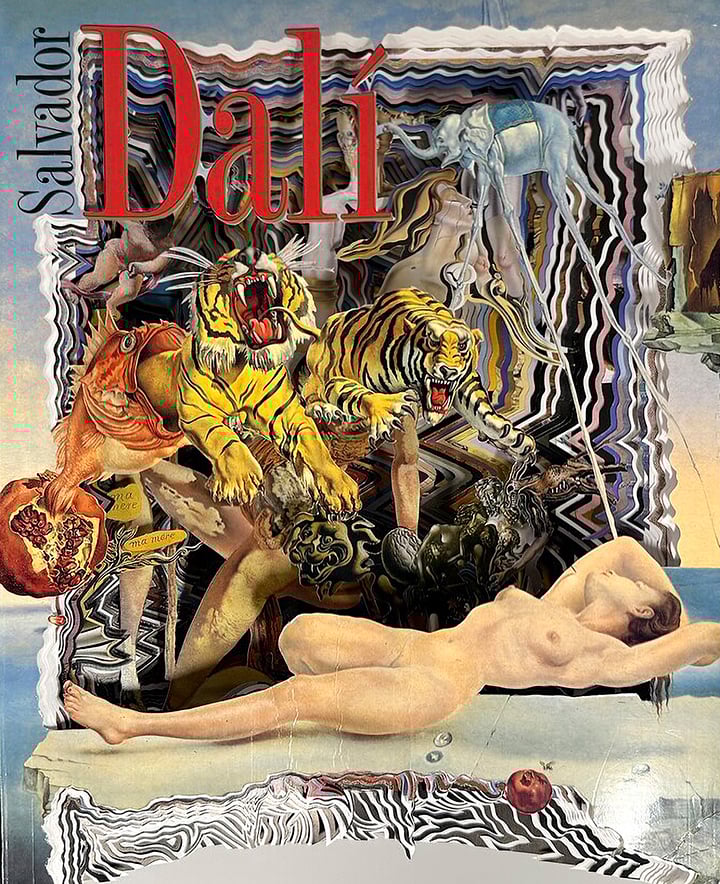
Exhibited throughout the Southeast, Wray’s work has found an audience among collectors and institutions interested in contemporary approaches to material art. The pieces function comfortably within gallery spaces. You may see his work in person at Brenda McMahon’s Gallery in Gulfport, FL.
Ultimately, Wray’s practice is neither nostalgic nor destructive. By using books that have lost their functional relevance he intentionally reconfigures them into layered sculptural forms. A shared new dimension.•