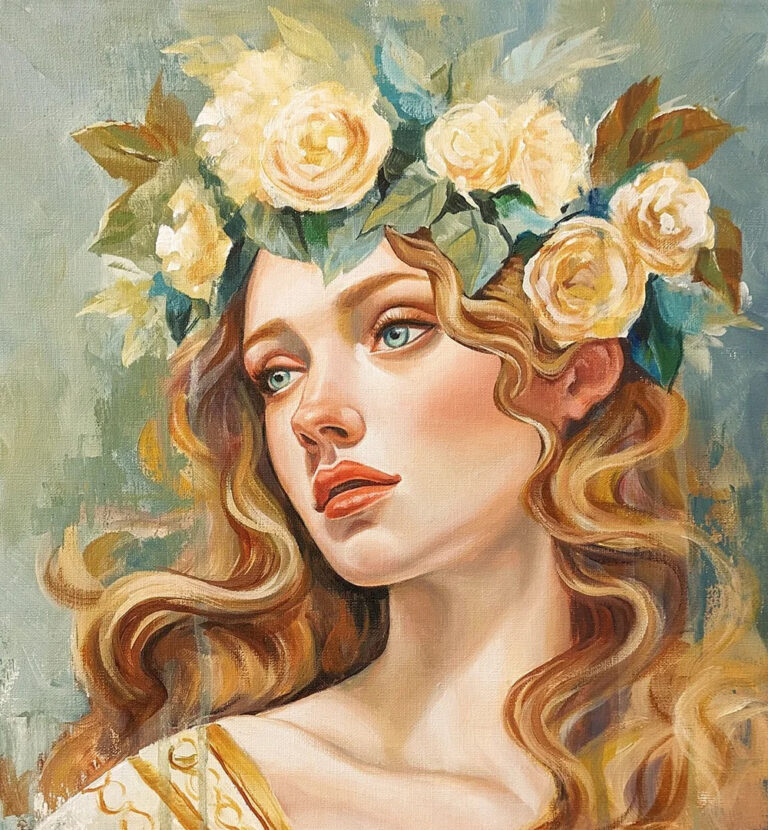
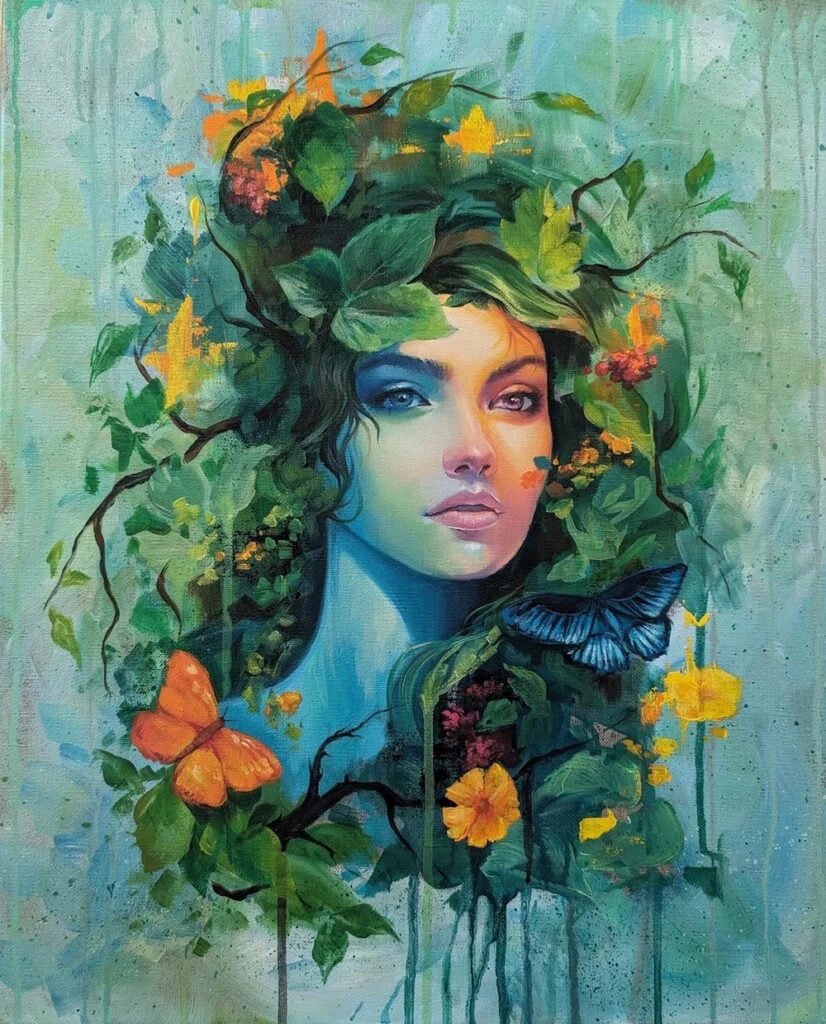
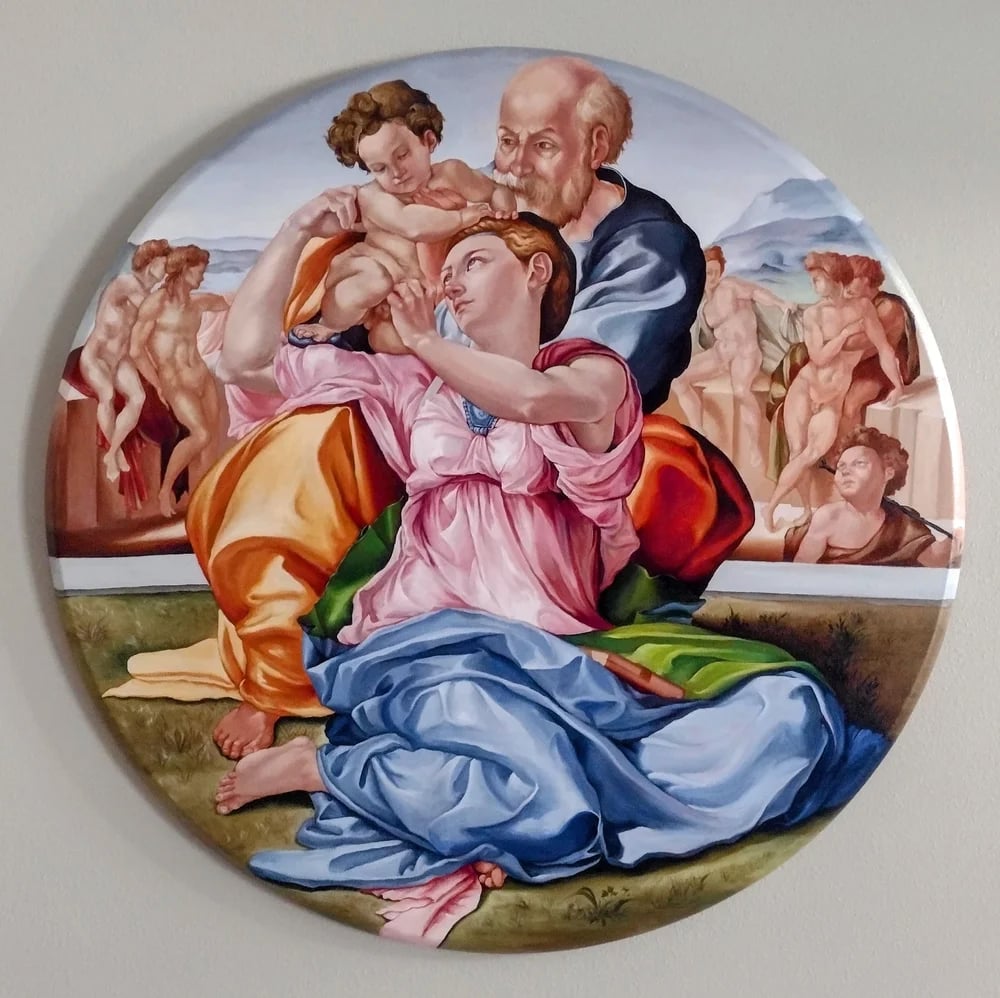
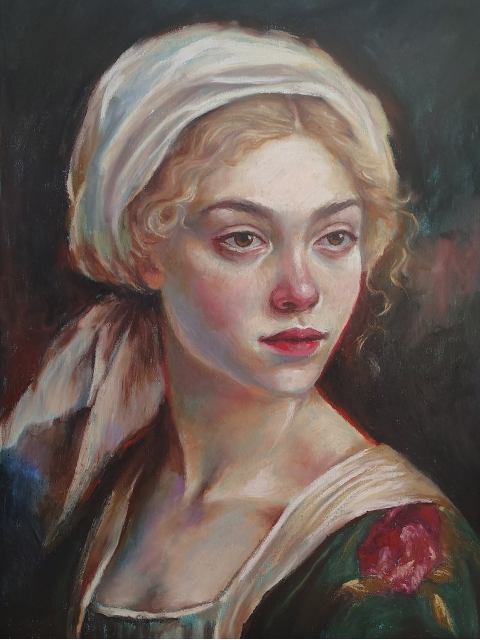
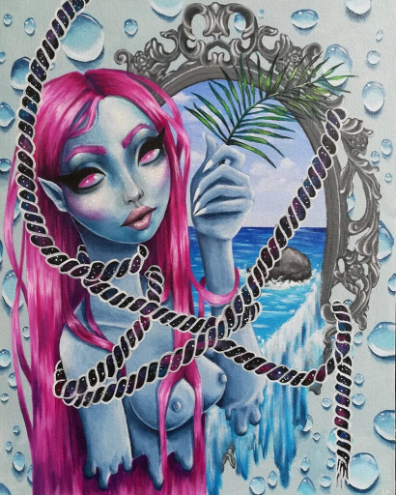
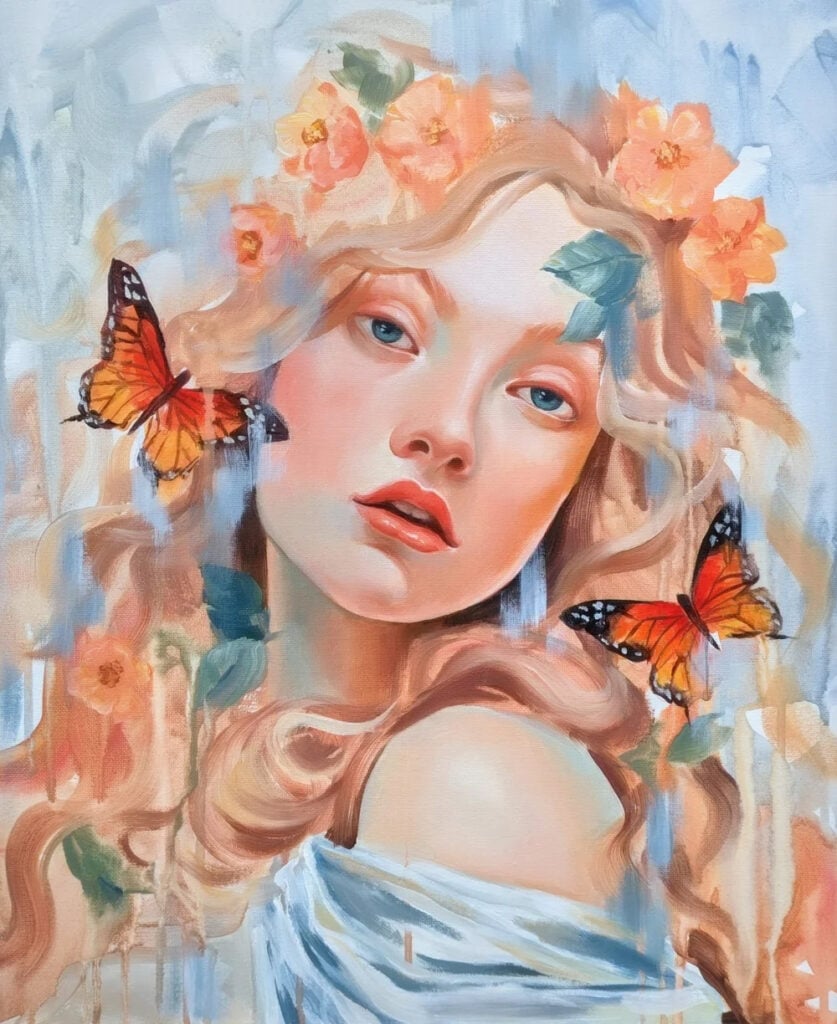
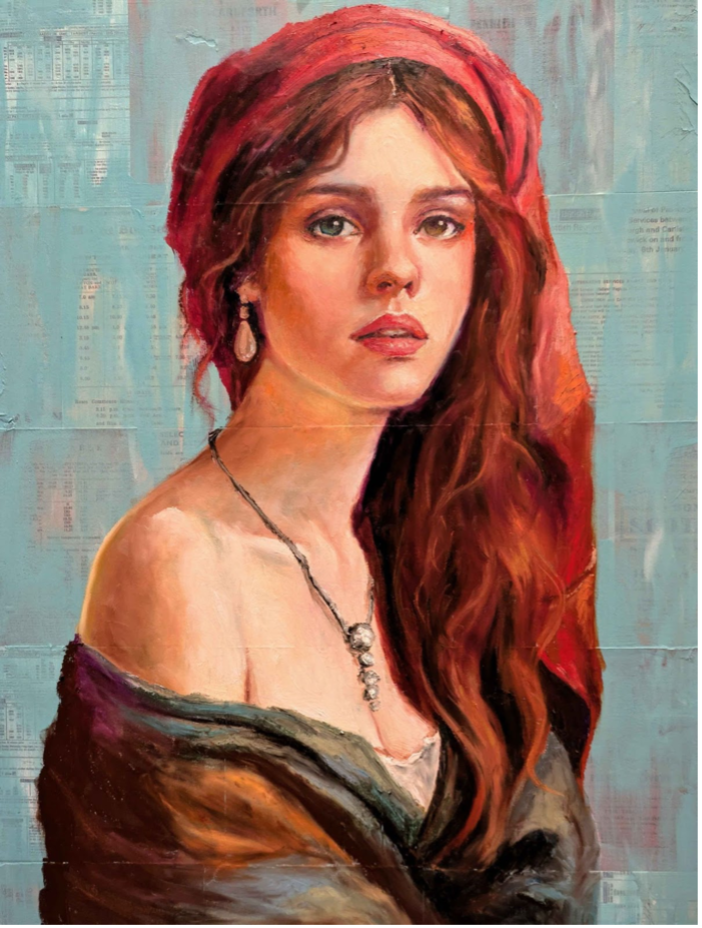
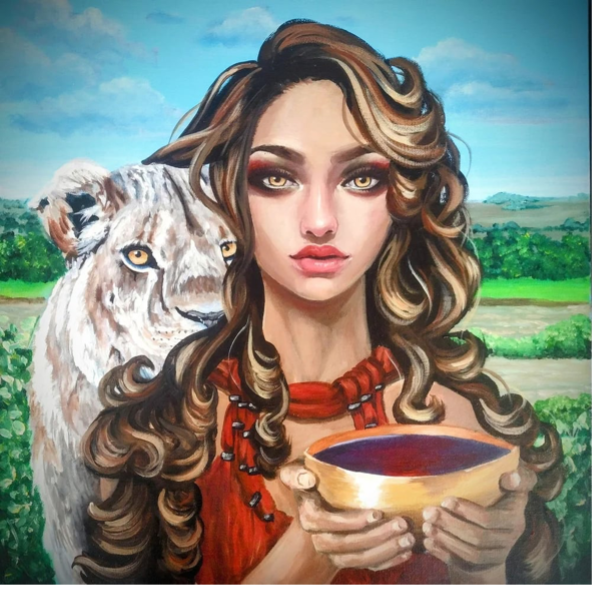
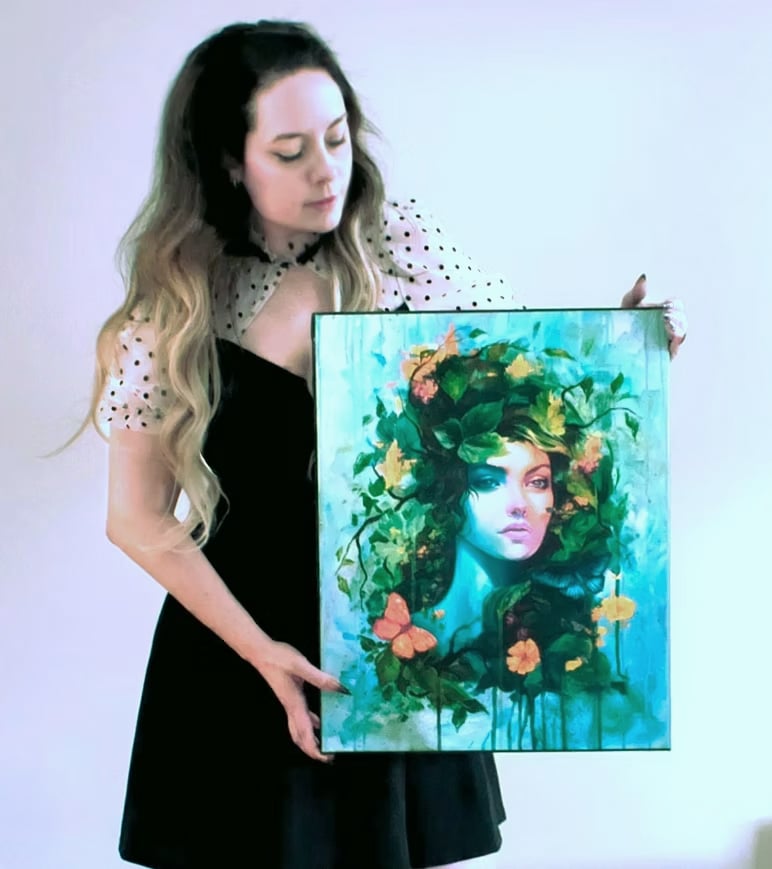
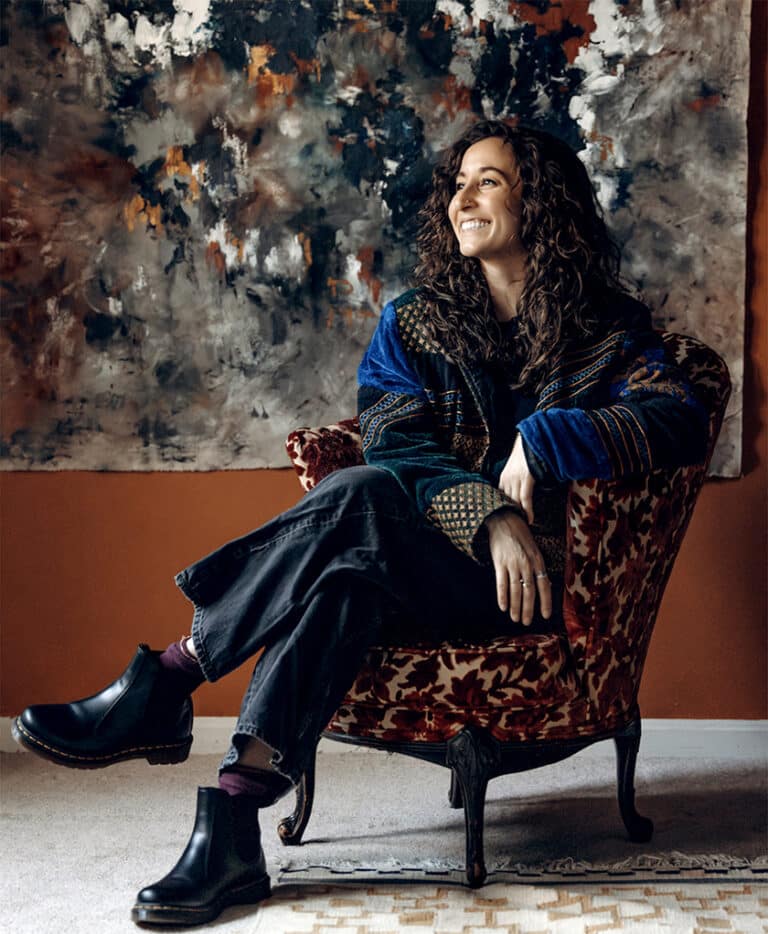
In a city where murals battle for your attention and coffee-shop galleries pawn to the Instagram clock, one artist quietly remolds the air—Juliann Rowe, the half-whispered legend reshaping how St. Pete sees itself.
A Whisper Becomes a Murmur By day, St. Pete hums with pastel sunsets and sun-worn tourists. But tucked in its back alleys, Rowe operates out of a shabby-chic studio, brimming with canvases that feel like secret diaries. She doesn’t need street art blotting out brick—her portraits, daringly intimate, beckon you to look inward. They’ve been described in hushed tones as “memories you can’t quite place.”
While she hasn’t yet been pinned under the neon of local co-op galleries or ArtWalk spotlights, her presence should have already altered that skyline.
The Art — Not Empty, Not Oblique Look closer. Her works emerge somewhere between classical portraiture and dream-state abstraction. As if she’s painting souls rather than faces. If the famed Morean Art Center pulled her in for inclusion, it would align her with heavyweights who’ve already etched their voices into St. Pete culture.
Rowe’s art seems less about depicting the human—and more about becoming human: smoky glimpses, fragile as breath, charged with vulnerability.
Ghost in the Art Community’s Machine In a city powered by murals, open studios, and gallery buzz, Rowe operates like a phantom. No press, no ArtLofts feature, no Florida CraftArt showcase—yet everything about her work suggests she should sit alongside those recognized artists cited in Morean, galleries, and ArtWalk programs.
It’s as though the system forgot to call her, even while setting the stage around her. She’s a ghost, haunting those spaces with the promise of something deeper. And St. Pete’s art scene may soon wake to her.
The Myth in the Making Before art fairs go corporate and murals become billboards, there’s a moment to capture Rowe’s essence. She is part medium, part muse, part urban ghost. She is the resistance to easy consumption.
If Rolling Stone cared about art the way it cares about icons, this would be the story: “Meet the painter rewriting how a city dreams.”
Why It Matters · She dismantles the spectacle: No flash, no festival banners—just quiet half-lit rooms where vulnerability still matters. · She defies categorization: Not graffiti. Not pastel. Not portraiture. Rowe’s voice lies between genres—where language fractures, art begins. · St. Pete’s cultural mirror: Cities chase flash; Rowe holds polished each grayed corner we’d rather ignore.
The Finale (Entr’acte) The art world worships the LARGE: big murals, bigger budgets. But Rowe’s art is small, tender, dangerous. It’s the kind that makes you blink, reassess your skin. She’s the anti-mural—private, poetical, potent.
In an era where visibility often dilutes meaning, Rowe demands the opposite: be seen, but look deeper. St. Pete may one day award her its highest honor. Until then, she’s the city’s best-kept secret—a ghost in its creative machine, waiting to become a legend.
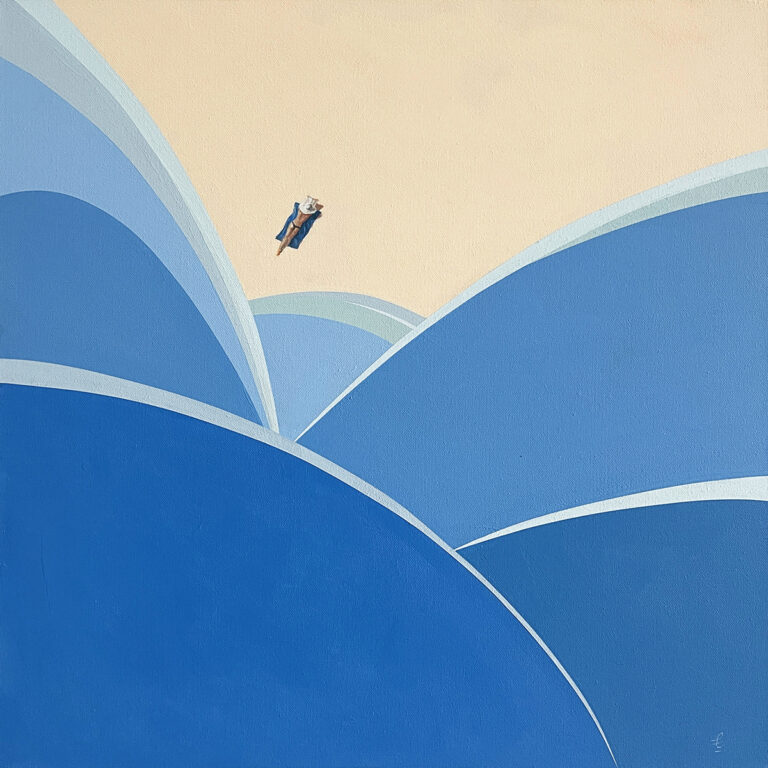
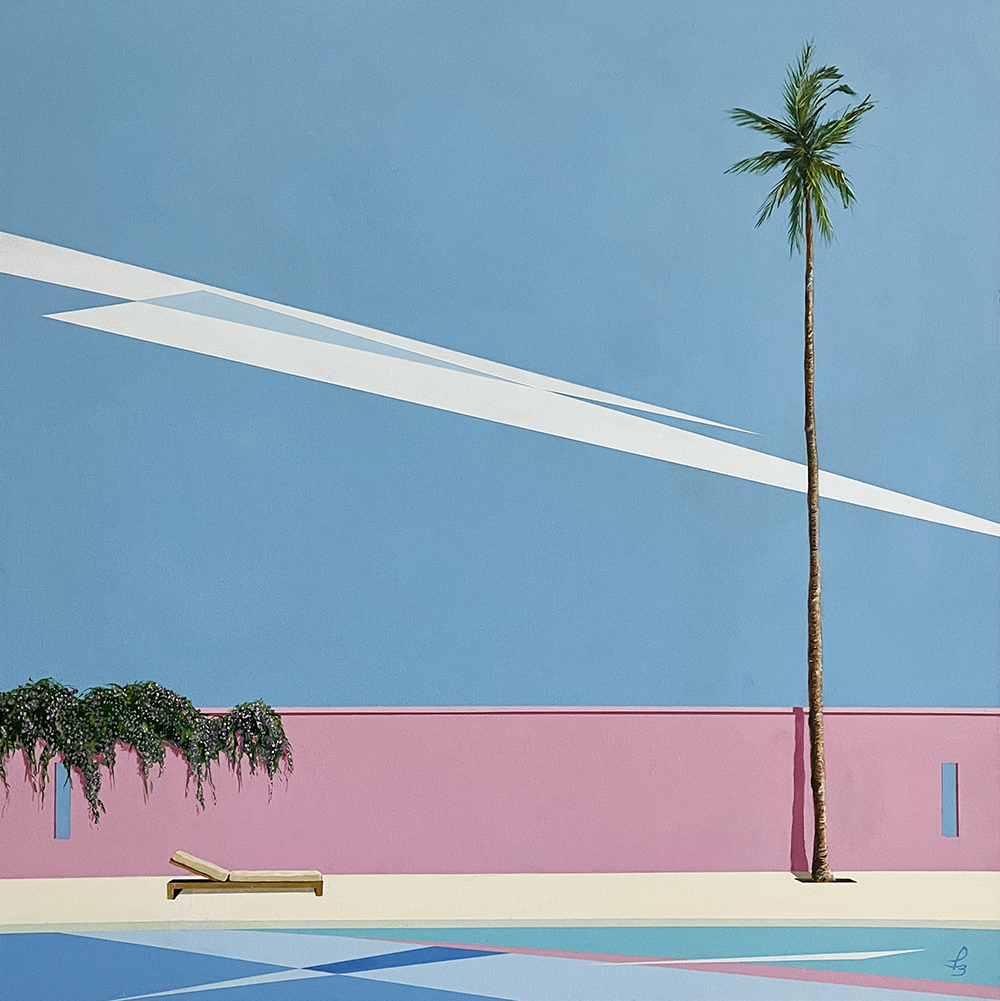
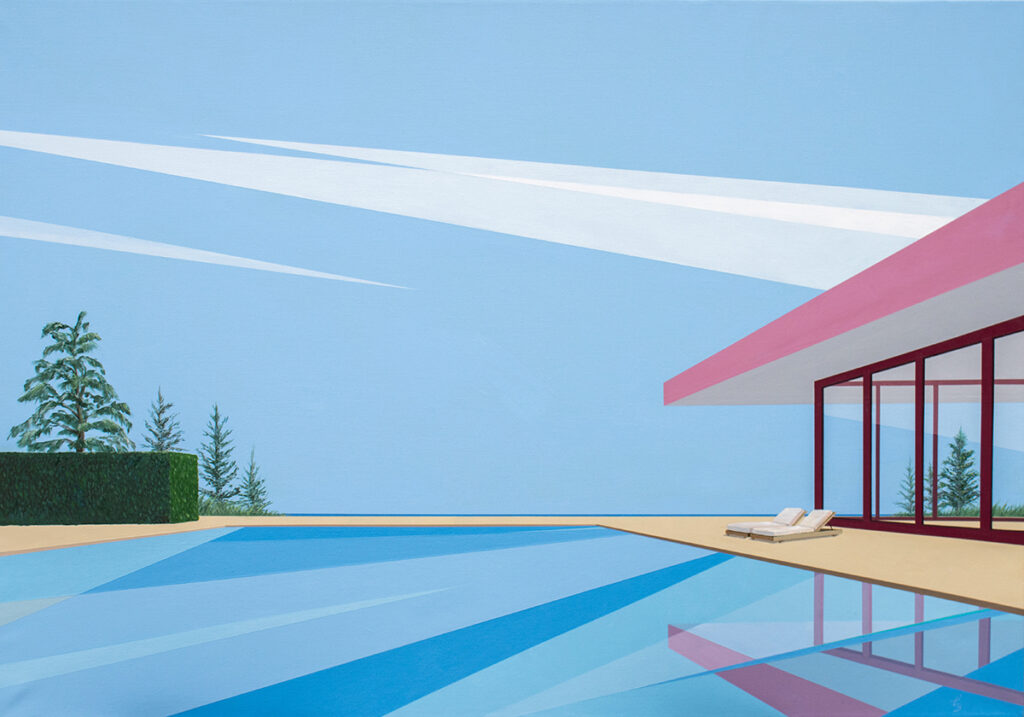
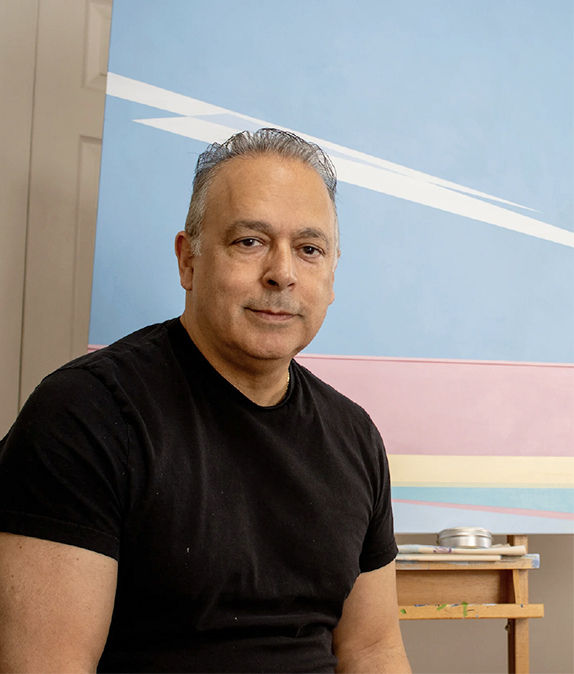
D-Gallerie is pleased to announce Cool Vibes Only, a solo exhibition by New York-based artist Felix Burgos, opening September 12, 2025. Known for his striking geometric compositions and serene modernist imagery, Burgos presents a fresh collection that captures the architecture of leisure, stillness, and summer escape through a bold visual lens.
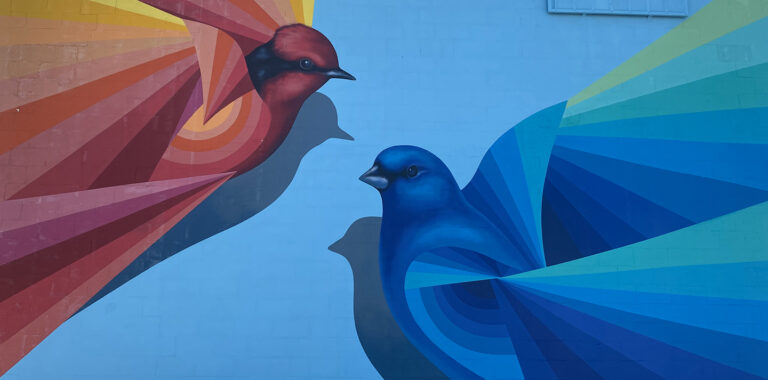
With the tagline “A bold blend of color, clarity, and endless summer mood,” the exhibition showcases Burgos’ mastery of hard-edge painting and minimalist abstraction, reimagining everyday moments through sharp angles, vivid hues, and tropical compositions. Palm trees, pastel walls, and still pools form the dreamlike environments that define his signature style.
“These images reflect the ebb and flow of life,” says Burgos, who transitioned into fine art after a 30-year career as an award-winning advertising art director. His design background deeply informs the clarity and precision of his work.
Cool Vibes Only invites viewers to step into stylized retreats that are both peaceful and powerfully graphic reflective of coastal living and a longing for quiet beauty.
About the Artist:
Felix Burgos is an American artist based in New York whose paintings combine bold geometry and architectural minimalism with serene, tropical flair. Blending abstract expressionism with the language of contemporary advertising, Burgos creates refined, colorful scenes that celebrate calm, balance, and visual escape. His work has been exhibited in New York and beyond, and is part of private collections across the U.S and the world.
The namesake association of St Petersburg’s Warehouse Arts District contributes much more to the fabric of the city than many might guess.
St Petersburg is known far and wide as the City of the Arts, and for more than a decade, the nonprofit Warehouse Arts District Association (WADA), has been intent on keeping it that way. What began in 2012 as a small group of people with a shared vision to leverage a semi- abandoned industrial area – now known as the Warehouse Arts District – into a thriving creative corridor “where art is made”, rapidly took on a sense of urgency. Bounded by First Avenue North, 10th Avenue South, and 16th and 31st Streets to the east and west respectively, the writing was already on the wall that an often repeated cycle was about to happen there: artists move into a derelict area, make it fashionable, and then get forced out when property values inevitably escalate. So those early stakeholders and visionaries got to work, meeting with influencers who understood their dream and the gravity of the situation.
A Juneteenth gospel workshop at the Tulley Levine Gallery
In 2014, with funds raised from both public and private donors, over two and a half acres dotted with tatty warehouses were acquired, and a campaign of refurbishment began to help secure the continued presence of the arts in Midtown. Now known as the ArtsXchange, this campus, easily the most visible project under WADA’s direction, has had a significant glow up over the years and is currently home to dozens of working art studios, galleries, arts education and meeting spaces, an open-air stage and screening area, a dance studio, eateries, a guitar luthier/coffee shop/live performance space and, recently and somewhat poetically, Preserve the Burg’s first physical address. Because the ArtsXchange is held by the nonprofit rather than investors, rents aren’t subject to the same crushing market forces that, during boom times, can easily snuff out small tenant businesses.
As word of this vibrant community of artists has spread, the Warehouse Arts District – also home to the renowned Duncan McClellan Gallery, the Morean Center for Clay, and the Floridarama immersive art experience, among others – was ranked by USA Today’s as the #3 arts district in the nation. Unsurprisingly, all the buzz has indeed positioned the area for explosive growth. But WADA has insisted on a seat at the table, making a strong case to the city regarding maker-friendly zoning and the encouragement and preservation of arts-related businesses. The unified voice of artists and advocates through WADA has been effective, with zoning changes that encourage development, but, according to St Pete Rising, will also require each new building project “…to set aside 40% of the first floor for ‘target employment uses’, which includes small-scale manufacturing, brewing and distilling, artist studios, creative incubators, and other light industrial, arts-related activities.”
Young performers in Peter and the Wolf at the ArtsXchange
Under the guidance of a committed board helmed by chair Mark Aeling – himself a founding WADA member and internationally-recognized sculptor whose studio has been a fixture here for over twenty years – and executive director, noted Steinway artist and composer Markus Gottschlich, who has a proven record of non-profit leadership, the organization is making great strides. Artist Resiliency Grants went out to member artists affected by hurricanes Milton and Helene, the dusty, cratered parking lot was recently repaved, and the campus is being activated like never before. With a mission to advocate for artists, engage, serve and educate the community and serve as a nexus for the arts with opportunities for lifelong learning, WADA is making exciting things happen across and outside the district as well.
A small, recently-vacated studio/apartment on campus has been re- dubbed “The Bird’s Nest” and will host a much-anticipated artist-in- residence program. Open to applicants from across the nation, guest artists will be required to develop new works during their stay and have meaningful interaction with the local community. Visiting artists will not only enrich and diversify the local artistic landscape, they will also be uniquely qualified to serve as district ambassadors when they return to their home communities.
WADA’s flagship program, ArtsXploration, very recently conferred with the Pinellas Art Education Association’s esteemed “Arts in the Community Award”, has hosted free arts workshops and is actively partnering with local schools, community centers, and housing organizations to bring arts experiences to underserved populations.
Markus Gottschlich presents an Artist Resilience Grant
WADA’s Tully-Levine gallery at the ArtsXchange similarly seeks to elevate the often-overlooked. A responsive, collaborative space programmed with and for the community, it hosts annual exhibitions and events in partnership with groups such as ESE Schools, Suncoast Centers, and the Boley Center. In its continued commitment to presenting timely, relevant, thought-provoking exhibitions that explore local, regional, and national issues through an artistic lens, September 2025’s programming features The Unraveling, an exhibition and talks by artist and former climate writer for USAID Ali Syverson as well as other USAID alumni and policy experts. Syverson’s paintings and photographs speak to the global implications of USAID’s dismantlement, and its use of art as a vital tool to communicate critical information across language barriers. Executive director Gottschlich says the aim is not to espouse a position, but to present information and let visitors arrive at their own conclusions.
An eagerly awaited “Under the Stars” music and dance series will also begin on the campus this fall, featuring performances including flamenco guitar, salsa and jazz, and a horror-shorts film festival and costume contest will take center stage on Halloween.
Performers in the annual Mt. Zion Progressive Missionary Baptist Church holiday collaboration
In the digital domain, WADA has been hard at work for roughly half a year integrating a map and comprehensive events calendar into its recently-renamed and overhauled website (WADAstpete.org). This sortable, searchable guide to arts and leisure is slated to roll out around the time of this publication, and is designed to update in real time. A three month implementation test phase will focus exclusively on the Warehouse Arts District, but the plan is to ultimately roll the calendar out citywide at no charge.
With federal and state funding currently off the table, WADA’s highly-effective projects and programs are reliant on city funding, membership dues, grants and donations, and Gottschlich stresses that every dollar counts towards ensuring the vibrant continuation of the arts in St Petersburg. Contributions to WADA, named by Creative Loafing as the area’s “#1 Arts Advocacy Organization” are tax-deductible and play a valued and pivotal role in the important work of protecting the city’s rich creative legacy and expanding arts access to all its citizens. ■
An Exhibition by Ali Syverson at ArtsXchange, Warehouse Arts District
In an era where global development is increasingly uncertain, Ali Syverson’s exhibition The Unraveling: A Future Without USAID arrives at ArtsXchange as both a wake-up call and a moment of reckoning. A self-taught visual artist and former USAID writer, Syverson has witnessed firsthand the agency’s impact around the world—from preventing the flow of plastics into the ocean in the Pacific Islands to energy projects in Pakistan. Now, as her own career with USAID ended in early 2025 following political changes, she channels her experience and conviction into powerful acrylic works and companion dialogues.
What the Exhibition Is About
Opening September 13, 2025, and running through October 3, this month-long showcase delves into an urgent question: What happens when USAID unravels? Established in 1961, the agency has been pivotal in global humanitarian efforts—delivering aid, bolstering health systems, and responding to disaster relief. Syverson’s pieces explore both the tangible and symbolic void unleashed without such leadership: fractured communities, environmental risk, lost opportunity, global instability, and a desire to rebuild and maintain connection in an increasingly isolationist world
Format & Experience
The exhibition promises a multidimensional experience: AcrylicInstallations – Artworks by Syverson guide the viewer through a journey of destruction, rest, rooting, and regrowth by depicting landscapes in flux, human figures caught in uncertain shadows, and environmental systems. Guided Conversations – By partnering with Syverson, other artists, USAID and local officials, and expert speakers, visitors can engage in panel talks, presentations, and Q&As, transforming passive viewing into active dialog on policy, climate justice, and civic engagement. Educational Tie-Ins – Aligned with WADA’s commitment to meaningful and timely programming, the exhibit will feature open studios, published articles, walk-through tours, and possibly a collaborative mural project inspired by its theme.
Why It Matters Personal Testimony: Since losing her job and moving out of DC, Syverson has used painting to heal and reflect on what comes next in our country’s social fabric as well as in her own life and career. Syverson crafts a rare first-person narrative rooted in lived experience as a USAID insider turned independent climate communicator and artist—the authenticity of her voice gives this subject whole new resonance.
Art as Civic Tool: This isn’t art in isolation. It’s art as a civic platform—driven by workshops, public exchange, and storytelling—underscoring WADA’s vision of art that informs, empowers, and activates.
Ali
Global Relevance, Local Canvas: Tampa Bay may seem far from Suva or Islamabad, but The Unraveling reminds us that global systems shape our collective future—and that art can bridge these worlds in our own backyards.
Voices from the Artist Ali Syverson channels her dual identity as artist and global aid professional into narratively rich images marked by tension and tenderness. Her prior work—like her climate-focused solo exhibition Realms and nature-infused murals—echoes here, but now in a political key: a canvas for systems in crisis. Expect landscapes that feel lived-in yet endangered, figures who seem both hopeful and wary, and compositions that balance beauty and urgency. Engage, Reflect, Respond WADA’s framing of The Unraveling as both exhibit and conversation hub models a potent template: art that doesn’t just decorate but catalyzes. Expect talkbacks with Syverson and invited thinkers, and interactive installations exploring foreign aid’s reach into real lives—from food security in Ghana to air quality in Nepal.
Why You Should Go Educate Yourself – For anyone curious about how USAID shapes global response to disaster, poverty, and climate, this exhibition lays it bare—artistically and intellectually. Support Dialogues – In a politically polarized time, this is a rare moment to convene around big issues in an artful, inclusive setting.
Meet the Voice – Ali Syverson is a storyteller; meeting her through panels or meet-and-greets offers a rare chance to connect with an artist informing public discourse.
Plan Your Visit The ArtsXchange venue is fully accessible, with gallery hours aligning with Second Saturday ArtWalks (check WADA calendar). Membership in WADA unlocks complimentary access across programming. Non-members are encouraged to reserve their free or ticketed spots via warehouseartsdistrict.org as the date approaches.
In Summary The Unraveling: A Future Without USAID isn’t just an exhibition—it’s a civic inquiry. Ali Syverson turns paint into provocation and gallery space into gathering space and policy conversation. In questioning what comes after USAID, the show asks us all: What comes next—and will we break or build?
Event Details at a Glance
Title: The Unraveling: A Future Without USAID Artist: Ali Syverson Opening Reception September 13, 2025, 5:00 pm Exhibition Runs September 13–October 3, 2025 Gallery Location ArtsXchange Campus, 515 22nd St S, St. Petersburg, FL Admission Free for the general public Programming Panel discussions, artist talk, audience Q&A •
To our artists, cultural organizations, educators, creative businesses, and friends:
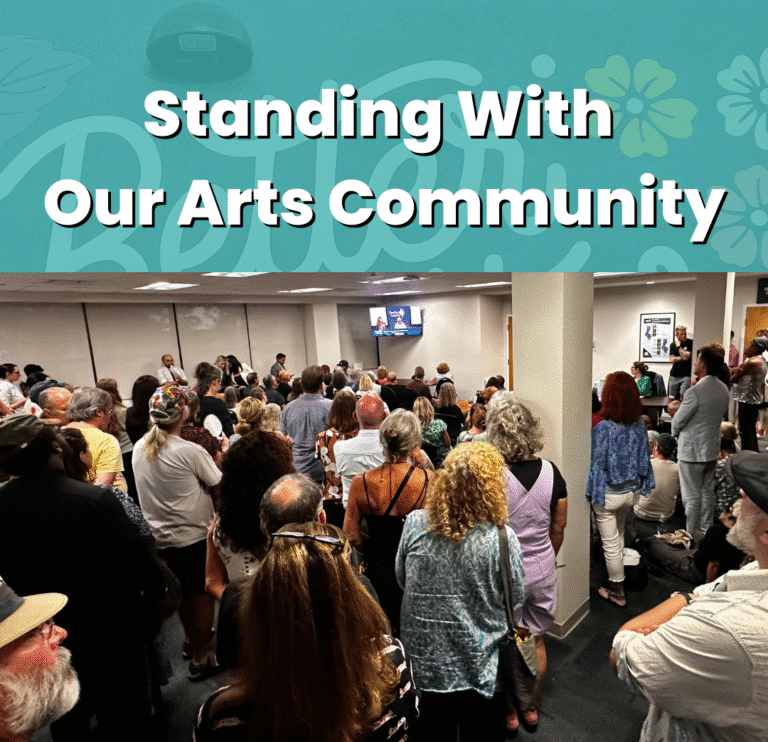
Following the recent vote by the Pinellas County Board of County Commissioners to eliminate County funding for Creative Pinellas, we want to speak directly to you—with deep gratitude and clarity about what comes next.
First and foremost, thank you. Your emails, phone calls, texts, and testimony last night mean everything. You reminded the community that the arts are not a luxury; they are part of Pinellas County’s identity, economy, and everyday quality of life.
While we are disappointed by the Commission’s decision, our mission as it stands remains unchanged: to serve Pinellas County’s amazing and talented cultural community and to elevate the role that the art created here plays in the lives of our residents and visitors.
We are: • Assessing the immediate and longer-term impacts to Creative Pinellas, our galleries, and our programs. We will communicate decisions as quickly and transparently as possible. • We will shortly be in direct contact with affected grantees and partners. • We are exploring possible paths forward and will keep you as informed as possible. • In the weeks ahead, we will gather input and ensure that any next steps relate directly to the greater good of supporting Pinellas County’s vital arts community.
No single vote (or 5 votes) can erase the creativity, resilience, and care this community shows every day. Your support has strengthened our resolve to remain part of an arts ecosystem that is collaborative, accessible, and worthy of Pinellas County.
From all of us at Creative Pinellas—thank you for standing with us. Thank you for supporting us. And thank you for your role in creating an arts community we are all lucky to be a part of.
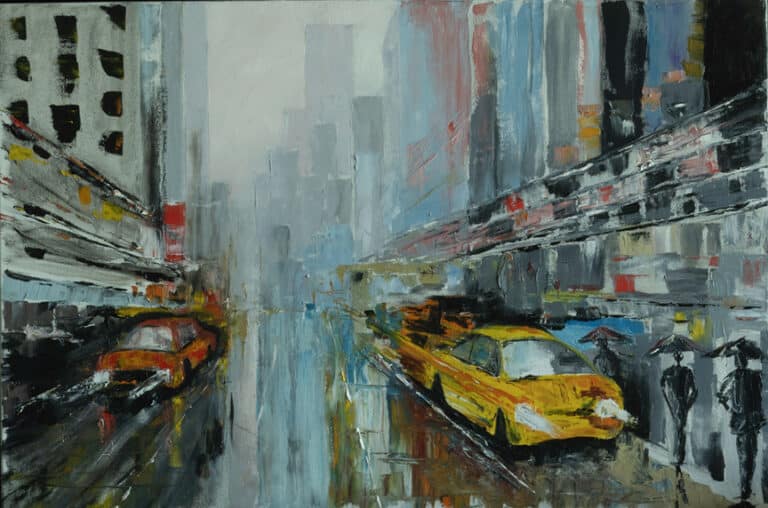
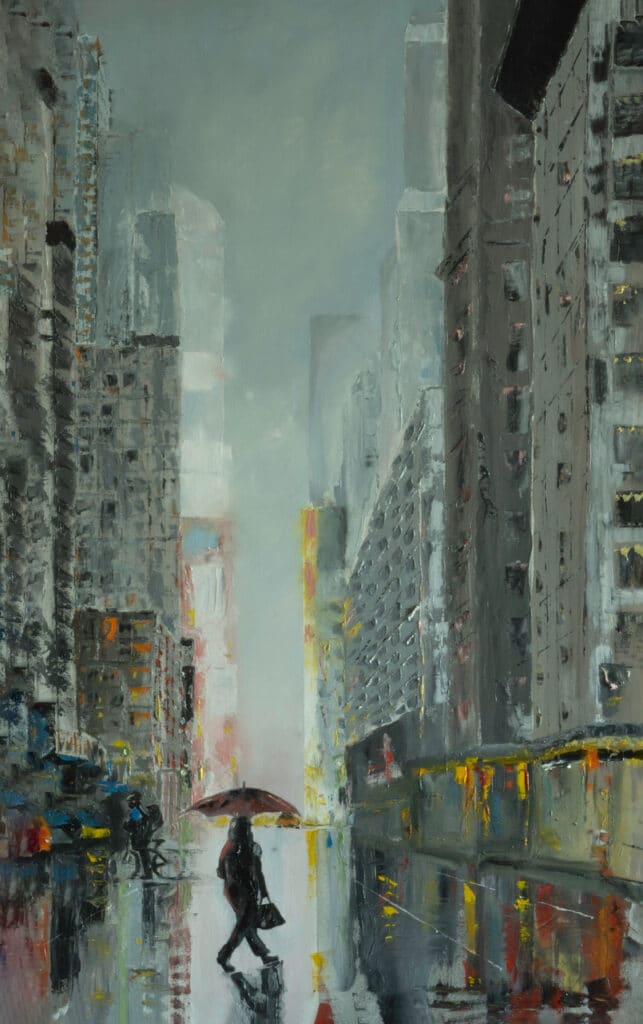
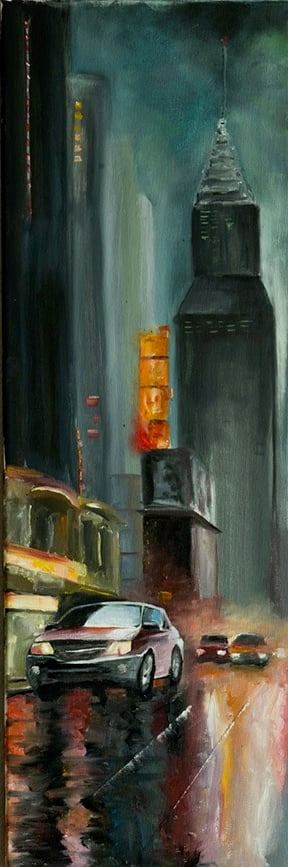
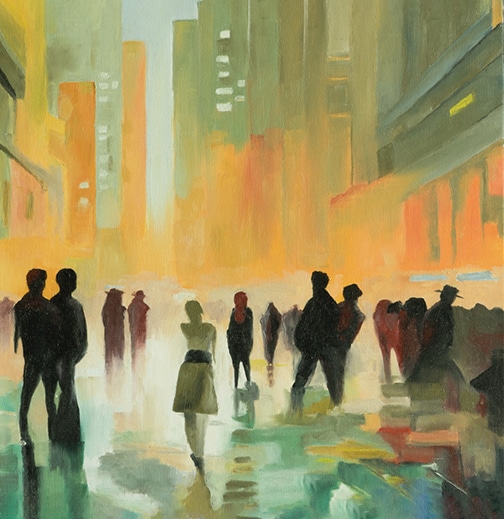
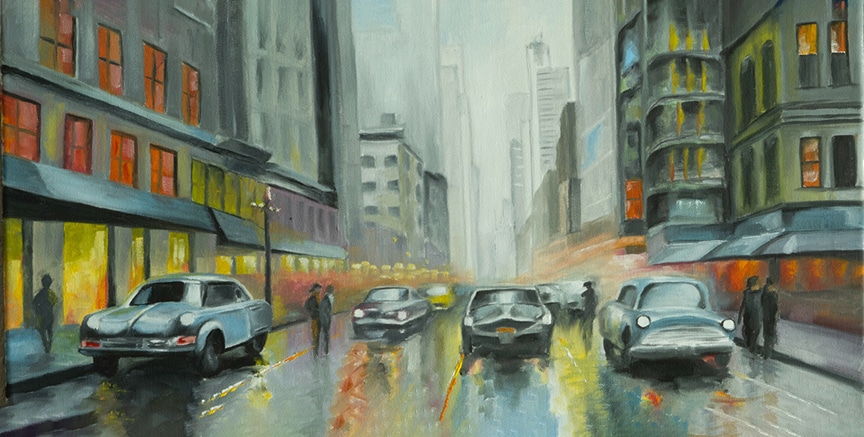
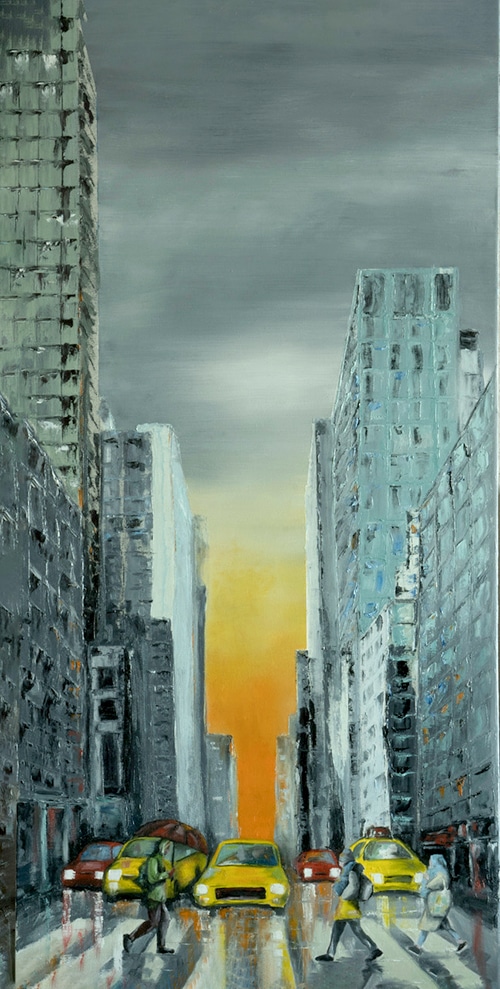
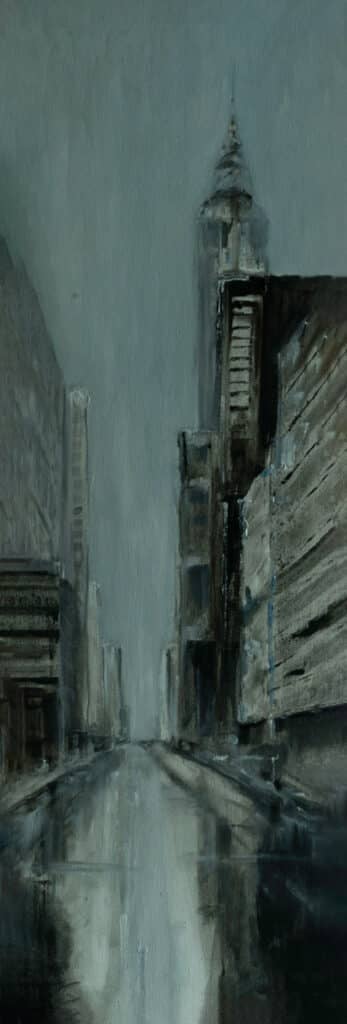
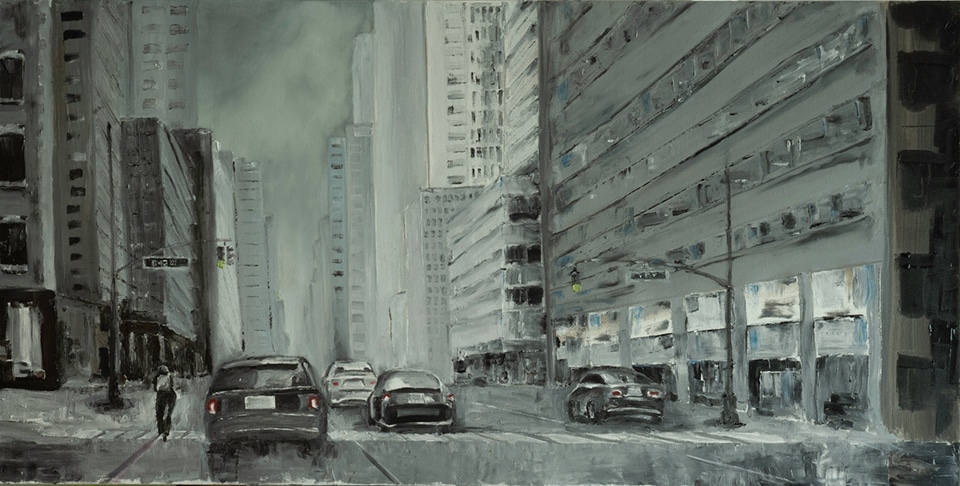
Calm and Chaos: Paintings by Joe Legrand will be unveiled at the Brenda McMahon Gallery on September 1st 2025, and run throughout the month, and an artist opening featuring the artist and live music will take place on Friday, September 5th, from 6–9 p.m. LeGrand is an oil painter, and the show depicts lively and energetic scenes from New York City, where he studied in art school. Jazz vocalist Sasha Tuck will perform live at the gallery during the event.
“The show invites viewers to step into each street and feel the pulse and pause of city life,” says LeGrand. “Whether bold or subdued, each piece uses the convergence of light, color, and perspective to tell a story about the urban environment, and to welcome the viewer into it.” LeGrand will return to the gallery on Saturday, September 20th from 6–8 p.m. to meet and greet visitors for a discussion of his award-winning works.
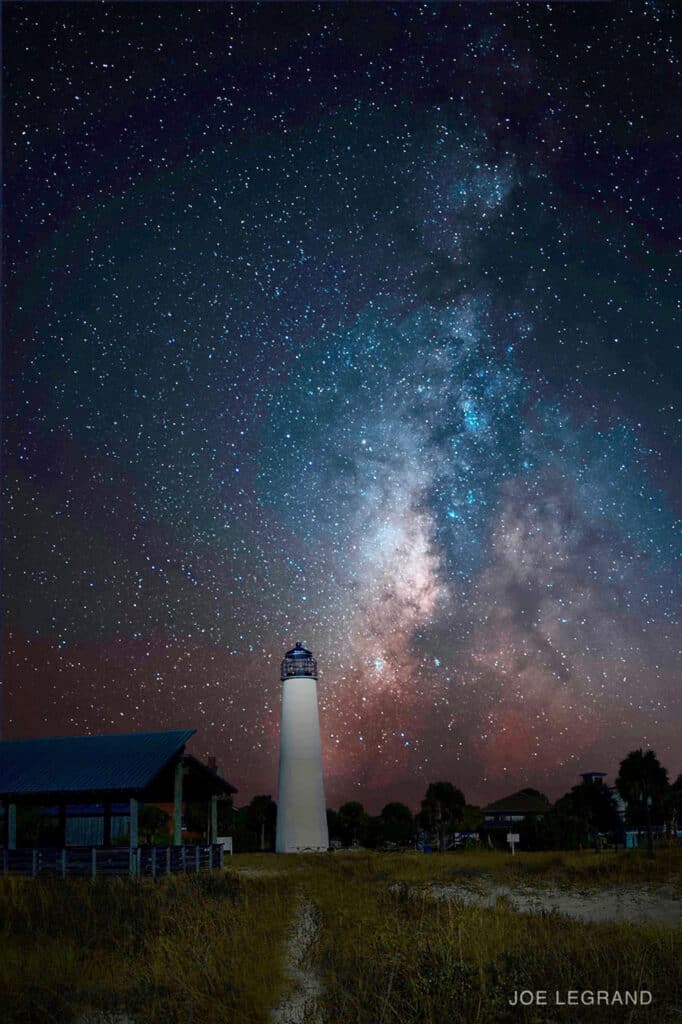
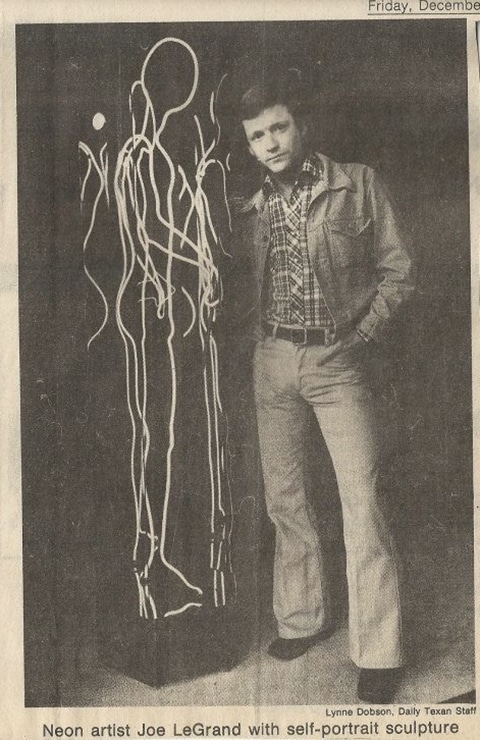
Joe LeGrand doesn’t just make art—he lives it like a series of restless reinventions, each chapter folding into the next with the intensity of someone who refuses to coast. He’s the kind of artist who doesn’t settle, who won’t let a single medium define him, who turns his life into a continuous experiment in seeing, shaping, and transforming. To talk about LeGrand is to talk about movement—through schools, through industries, through mediums, through galaxies. His story reads less like a straight biography and more like a setlist, a career of riffs and solos that still somehow form a single song.
It started in Texas, where he ground out his BFA in Art and Design at the University of Texas. Those early years were about learning the fundamentals, about developing an eye sharp enough to catch light and shadow in ways that hit harder than words. But Texas wasn’t enough. Brooklyn pulled him north to Pratt Institute, into the sharp-edged world of industrial design, where art had to meet functionality, where vision had to make sense in the physical world. He was shaping objects meant to live in people’s hands and homes, bending aesthetics toward use. It was art under pressure, art that had to survive the demands of the marketplace. That duality—expression and precision—became part of his DNA.
Between those academic stretches, LeGrand spent time teaching art to deaf students at the Texas School for the Deaf, and that period marked him deeply. In a classroom where silence ruled, he learned how paint, clay, and line could bypass language altogether. He saw the way images worked as pure signal, emotion stripped of interference. For LeGrand, it was confirmation: art isn’t an accessory to life, it’s a language of its own.
Then came the corporate years. For most artists, stepping into a multinational like Bayer would be the death blow. But LeGrand wasn’t most artists. As head of industrial design, he pushed concepts into patents, sculpted products that were as much about beauty as they were about utility. Later, at Shell Chemicals, he slid into the high-stakes world of marketing and sales, navigating balance sheets and boardrooms with the same precision he once applied to sketches. It sounds like exile from the art world, but for LeGrand it was just another workshop—less canvas and clay, more strategy and innovation. The materials were different, but the mindset was the same: create, refine, deliver.
When retirement finally cracked the corporate shell, LeGrand didn’t retreat to golf courses or easy hobbies. He attacked art again, harder this time. Oils and acrylics poured out of him, canvases alive with narrative and texture. He turned to wood as well, carving and spinning raw material into objects that ended up gracing magazine covers. It was a rebirth, but not a nostalgic one. These works weren’t about recreating some imagined past—they were forward-moving, the work of a man who had been bottling up visions through years of board meetings and was finally free to let them spill.
But LeGrand wasn’t content to stop at paint and wood. The digital age called, and instead of resisting, he dove in headfirst. Armed with nothing more than his iPhone and a restless imagination, he transformed mobile photography into a playground. Apps like Snapseed, Procreate, and iColorama became his new brushes and pigments. He took photos and ripped them apart, layering and twisting them until they became something otherworldly—part collage, part hallucination, part exploration of what images could be in an era where reality and digital manipulation bleed together. If painting grounded him, digital art set him loose.
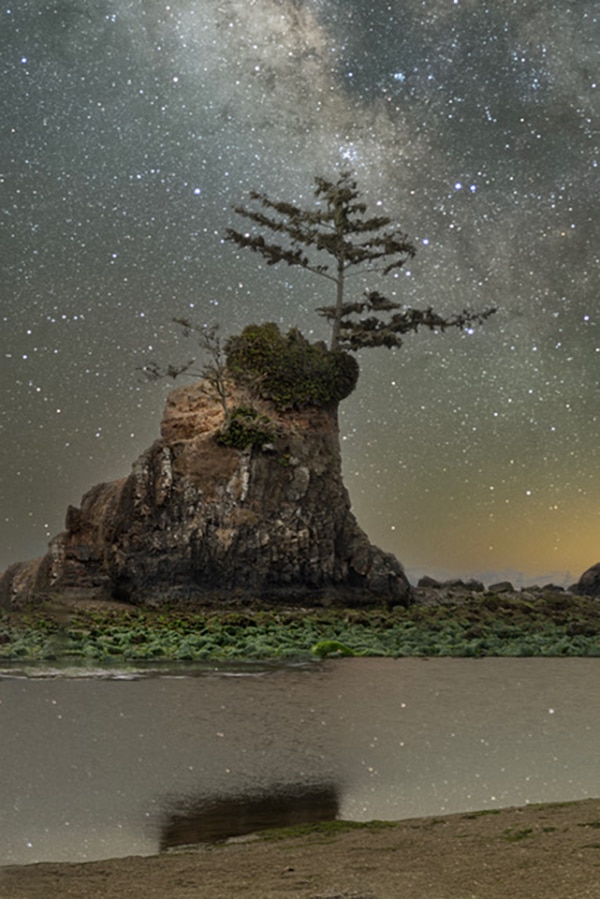
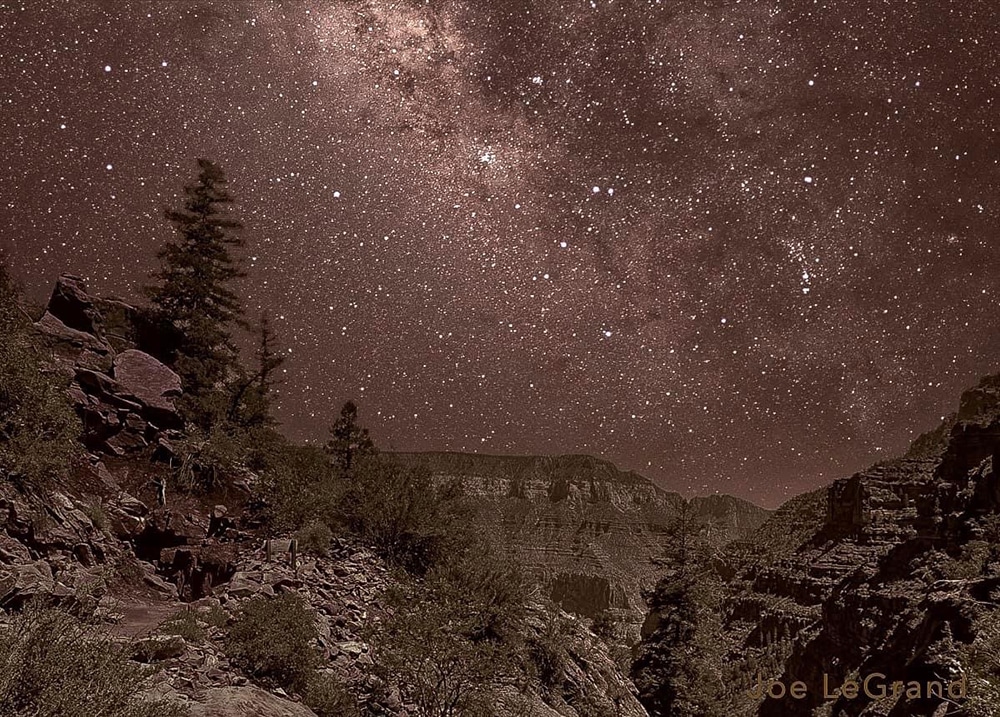
And then there’s the sky. In his latest evolution, LeGrand pointed his lens upward, into the abyss of astrophotography. Stars, galaxies, the unseeable infinity above us—he pulled them down into his work, framing the cosmos as just another canvas to experiment with. It feels like a natural progression for him: after exploring earthbound form, utility, and digital distortion, why not reach for the infinite?
What ties all of this together isn’t a single style or medium, but a relentless refusal to fossilize. Most artists, once they find a groove, carve it deep and stay there. LeGrand refuses. He mutates. He thrives on the edge of unfamiliar tools, strange mediums, new frontiers. That’s what makes him dangerous, what makes him necessary. His career is proof that art isn’t about a fixed identity—it’s about motion, about staying alive to possibility.
To look at his body of work is to see the arc of a restless mind. The oil paintings hold the weight of tradition, the sense of craft passed down through centuries. The wood-turnings speak to his designer’s hand, his ability to find beauty in utility. The digital collages are pure 21st-century chaos, layered with the frenetic energy of a culture that never stops scrolling. And the astrophotography feels like a reminder that art doesn’t end at the edges of our world—it stretches out into the black.
Joe LeGrand is not an artist who stayed in one lane. He is a shapeshifter, a survivor of industries and eras, someone who took everything life threw at him and bent it into another form of creation. His story is a kind of blueprint for what it means to live as an artist in a time when the mediums keep changing, when the definitions keep shifting. He’s not interested in preserving a legacy in amber—he’s interested in burning, in moving, in making the next thing. And maybe that’s the lesson buried in his work: that art isn’t a destination, it’s a motion. It doesn’t retire. It doesn’t calcify. It doesn’t let you stop. If you’re doing it right, it keeps you alive. LeGrand, even now, is proof of that—an artist who refuses to stop moving, who keeps turning the wheel, who keeps finding new ways to see.
Isac Gres is a St. Petersburg contemporary artist known for bold abstractions that balance vibrant color, texture, and form, creating works that are both visually striking and emotionally resonant.
Isac Gres
INTERVIEW:
Q Your journey from Cuba to the United States must have been transformative. How did your experiences during that transition shape the surrealist themes in your artwork?
A Absolutely—it was a deeply transformative experience. Leaving Cuba wasn’t just a physical move, it was a rupture in identity, in memory, in everything familiar. That kind of displacement doesn’t leave you—it lingers in your body, your dreams, and your silence. Surrealism became a natural language for me to process that.
In my work, I often use fragmented figures, dreamlike landscapes, or hybrid beings—not just for aesthetic, but because they reflect what it feels like to live between worlds. The surreal allows me to explore contradiction: nostalgia and estrangement, beauty and exile, the sacred and the broken. When I left Cuba, I didn’t just lose a place—I gained a thousand questions. My art became the only space where those questions could breathe.
THE PRICE OF CLARITY
Q You have traveled across 12 countries to end up here in St. Petersburg. What were some of the more harrowing experiences you had during this journey? Do they have an influence in your work?
A The journey through 12 countries wasn’t linear—it was a labyrinth. Each border, each crossing, felt like a test of spirit. But nothing compared to the jungle of Panama—the Darién Gap. It’s one of the most isolating places on Earth. You walk through mud, rivers, dense trees, and this crushing silence that makes you feel microscopic. That’s where I truly met myself.
It pushed me to my physical and emotional limits. There were moments I didn’t think I’d make it through. But surviving that taught me something irreversible: if I could endure that, I could go above and beyond in anything I do. It gave me a different kind of faith—in myself, and in my art. That belief is what drives me now.
INFINITE RIPPLE
In my work, that experience translates into a kind of visual intensity—figures caught in transformation, elements dissolving or emerging, a tension between vulnerability and power. I’m not illustrating the journey, but I’m encoding the feelings it left behind. Art became the space where I could alchemize what nearly broke me into something enduring—something alive.
Q Your work features recurring symbols. Could you highlight a few key symbols and share their deeper meanings or significance in your art?
A Yes, symbolism plays a huge role in how I communicate through my work—often more than words ever could. One recurring symbol is the pathway or doorway with no door. These appear often in my paintings, leading into empty space, sky, or shadow. For me, they represent the choices we’re given—the unknowns that await us if we choose to step forward. Some people see them as escape routes, others as invitations. I see them as both.
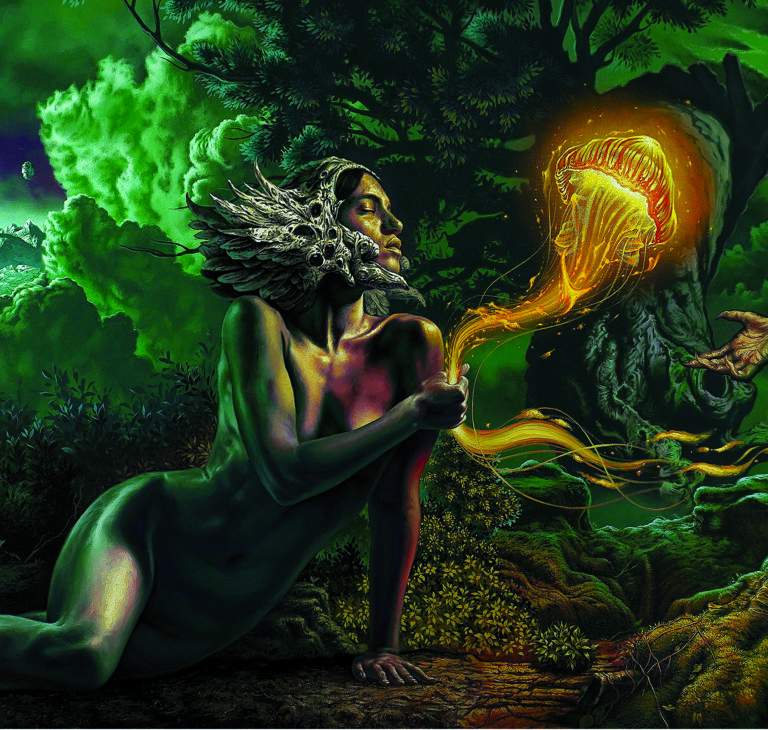
Jellyfish also appear often. They’re ethereal, almost alien, but for me they’re symbols of immortality. There’s a species of jellyfish that can regenerate itself—essentially cheat death. That idea stuck with me. It’s about resilience, transformation, the cycle of beginning again. They float in my paintings as reminders that nothing is final, even after collapse.
And then there are the apples, which are deeply personal. They carry layers of meaning—knowledge, temptation, even identity. In some works, the apple is me. When I first started painting as a child in Cuba, apples were my earliest subjects—simple, round, iconic. They became a part of my visual DNA. Over time, they evolved beyond study and became symbols I return to, unconsciously and intentionally.
Each symbol holds a personal story, but they’re also open to the viewer’s own interpretation. That’s important to me. I don’t want to close the meaning—I want to invite people to step through their own doorway, so to speak.
Q Your paintings have been compared to Salvador Dalí’s for their technical precision. How do you balance paying homage to such influences while carving out your own distinct voice in contemporary surrealism?
A It’s always an honor to be compared to someone like Dalí—his technical precision and imagination were unmatched. But for me, it’s less about paying homage and more about being in conversation with the surrealist lineage. I respect where it came from, but I’m not trying to replicate it.
My work draws on those classical techniques—layering, light, anatomical detail—but it’s grounded in my own lived experience. Dalí painted dreams; I paint memory, migration, spiritual dislocation. I use surrealism not to escape reality, but to decode it.
ENIGMA OF EXISTENCE
The balance comes from intention. I want the work to feel timeless in its craft but urgent in its themes. My symbols, my colors, even my silences—they come from a different world than Dalí’s, shaped by a different journey. I think that’s what keeps the voice distinct. I’m not trying to live in someone else’s shadow. I’m using the tools of the past to build something personal, present, and alive.
Q Do you aim to create a lasting legacy for your children through your art, and would you encourage them to pursue a creative path like yours?
A Absolutely. Everything I create carries a piece of both my daughter and my son. My art is a kind of visual record—not just of my experiences, but of what I’ve survived and what I believe in. I want them to grow up knowing that their father didn’t just dream—he built something from nothing. That’s the legacy I hope to leave: not just the paintings, but the spirit behind them. The courage to walk through uncertainty and still create beauty.
As for encouraging them to follow a creative path—I’d encourage them to follow their paths, whatever those look like. If it’s art, I’ll support them with everything I have. But more importantly, I want them to know they can live fully and authentically, express themselves without fear, and carry forward a lineage of resilience, imagination, and depth. If they inherit anything from me, I hope it’s that. •
Bill Edwards, Founder and CEO of Big3 Entertainment and the Bill Edwards Foundation for the Arts, today announced the appointment of Elizabeth Gelman as the new President of the Foundation. Gelman, an accomplished nonprofit executive and arts leader, brings decades of experience in museums, cultural programming, education, and community engagement.
“Beth is an extraordinary leader whose vision and commitment to the arts align perfectly with the mission of our Foundation,” said Bill Edwards. “Her track record of elevating institutions, expanding access, and fostering inclusive cultural experiences will strengthen our work and ensure that Bill Edwards Foundation for the Arts – benefiting the Mahaffey Theater continues to enhance youth education throughout the Tampa Bay area.”
Gelman most recently served as Senior Director of Arts & Cultural Programming at Creative Pinellas, where she led a strategic vision for the county’s premier gallery, quadrupled attendance, and set historic records for artist sales. She produced over a dozen exhibitions annually, launched new revenue streams, and forged dynamic community partnerships that deepened the gallery’s impact.
Prior to Creative Pinellas, Gelman spent eight years as Executive Director of The Florida Holocaust Museum, where she tripled the organization’s budget, dramatically expanded statewide reach in Holocaust education, and built lasting public-private partnerships. Under her leadership, the Museum grew its annual audience from 19,000 to more than 225,000 participants and extended programming to all 73 Florida school districts.
Her career also includes leadership roles at the Spertus Institute, The Children’s Museum in Oak Lawn, and Terra Museum of American Art, along with experience as an educator, performer, and writer. A graduate of Northwestern University and National Louis University, Gelman has been recognized for her visionary leadership at the intersection of social justice, community engagement, and the arts.
“I am deeply honored to join the Bill Edwards Foundation for the Arts at such an exciting moment,” said Elizabeth Gelman. “The Foundation’s dedication to world-class programming and youth access through initiatives like the Class Acts program is inspiring. I look forward to building on this legacy by expanding opportunities for our community to engage with the arts, learn, and grow together.”
About the Bill Edwards Foundation for the Arts Bill Edwards Foundation for the Arts supports performing arts programming at the Duke Energy Center for the Arts—Mahaffey Theater. Our mission is to educate, engage, and entertain everyone in our community through culturally diverse performances. We present inspiring arts education programs, community outreach initiatives, live mainstage performances, concerts, and special events for the enjoyment of the entire community. For more information, visit: BillEdwardsFoundationfortheArts.org
There’s a certain swagger to stamping your name on history. The Palladium Theater in downtown St. Petersburg is betting on that swagger as it rips out its century-old seats and launches a $10 million, bare-knuckle renovation. And you—yes, you—can claim your spot in the room where the ghosts of jazz legends, blues howlers, and rock ‘n’ roll rebels have rattled the rafters for nearly a hundred years.
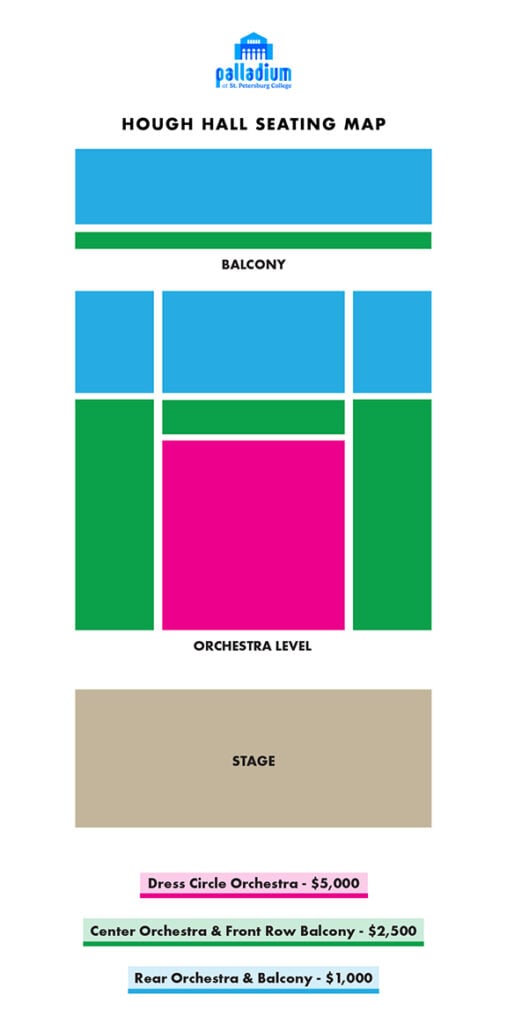
It’s called Name Your Seat. For the price of a killer guitar or a couple of months of rent in Old Northeast, you can burn your name, your band’s name, or your great-aunt Mildred’s into the brass plaque of a brand-new seat in the freshly retooled Hough Concert Hall. The brass isn’t just shine—it’s permanence. Twenty-five years of it.
The levels? Dress Circle Orchestra—five grand. Center Orchestra and front balcony—$2,500. Rear orchestra and the cheap-seat balcony—just a cool $1,000. Chump change compared to immortality. Two lines, twenty characters each, to say something that lasts longer than your Instagram archive. “Art Never Dies.”“Future Is Now.” Or just plain: “I Was Here.”
This isn’t just vanity; it’s survival. The Palladium is the city’s scrappy cultural engine, the place where polished symphonies and sweaty garage bands share the same spotlight. It’s been doing the heavy lifting for Tampa Bay’s arts scene since long before St. Pete was cool. Now the bones are getting rebuilt for the next century, with the seats—your seats—anchoring the legacy.
When the lights go down in 2026 and the first chords rip through the refurbished hall, your name will be there, vibrating with the bassline, printed in brass, part of the permanent record.
Because some people buy a ticket. Others buy a piece of the stage.
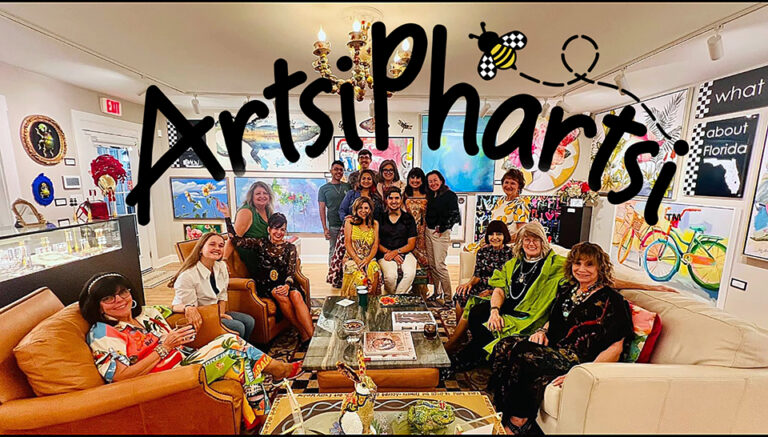
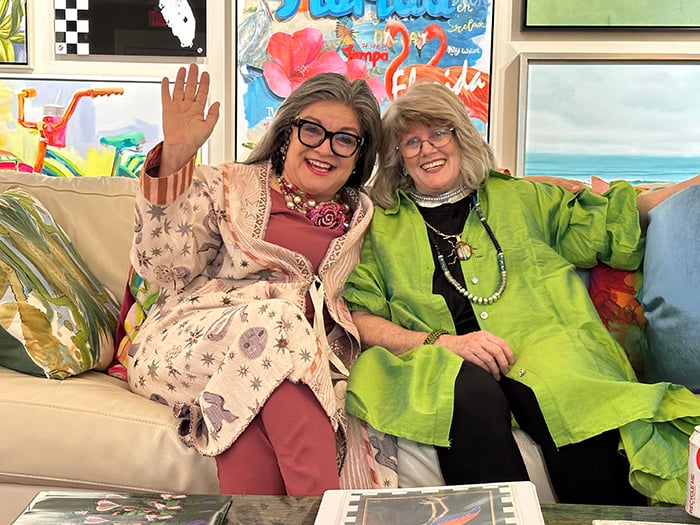
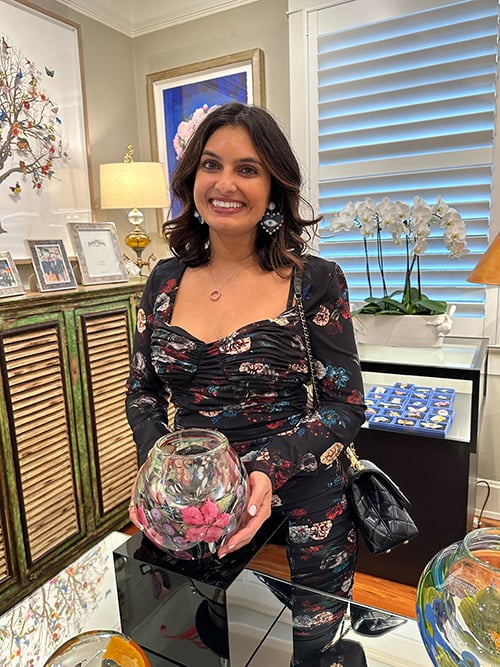
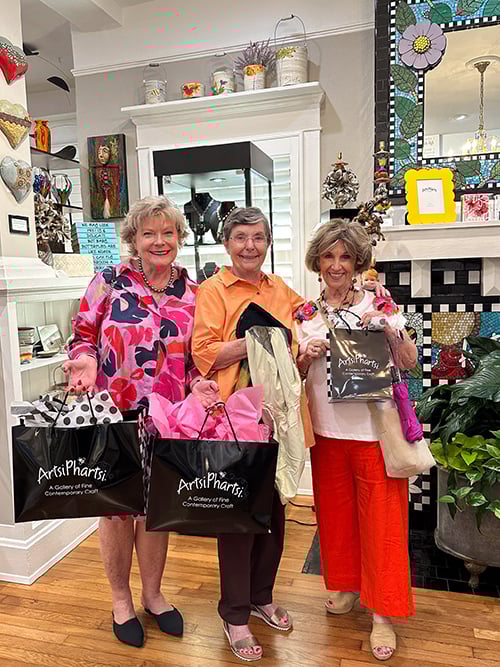
Founded by Carmen Smith Barkett, ArtsiPhartsi originally opened in 1991 and became a vibrant destination for fine, fun, and funky handcrafted art. After closing in 2007 to focus on family and community service, it triumphantly reopened in 2023 in a beautifully renovated 102-year-old bungalow at 4002 S MacDill Ave in South Tampa.
Inside, you’ll find a delightful collection of mosaics, ceramics, glass, jewelry, metals, furniture, and wall art—each piece radiating the energy and creativity of its maker.
Carmen curates with a heartfelt philosophy: she only selects pieces she’d want in her own home, ensuring every item is special—even if it’s not the most profitable approach.
Local Recognition: Tampa Bay Times “Best of the Best” Awards
ArtsiPhartsi has earned high praise in the Tampa Bay Times Best of the Best awards:
2023: Won in four categories — Best Gift Shop, Best Jewelry Store, Best Art Gallery, and Best Homegoods Boutique.
2024: Repeated that achievement, clinching the same four categories.
2025: Climbed even higher, capturing five awards — Best Gift Shop, Best Jewelry Store, Best Art Gallery, Best Homegoods Boutique, and Best Furniture.
These accolades are a testament to the gallery’s commitment to artistic quality and its beloved place in the local community.
Why ArtsiPhartsi Stands Out
Handmade with Heart: Carpets, ceramics, mosaics, and furnishings that tell stories of creativity and craftsmanship.
Curated by Passion: Carmen’s deeply personal approach to selecting every item brings authenticity and joy to the gallery.
Rebirth and Revival: The beautifully restored space adds character and invites discovery—“you feel surrounded by friends” as one visitor put it.
Consistent Community Acclaim: Earning “Best of the Best” back-to-back for multiple years—and expanding its honors—highlights the gallery’s evolving excellence.