Home Blog Page 5

Do Books Have Seasons?

Spring is approaching slowly and steadily. Here on the Gulf Coast, the seasons may vary little, yet there is a shift noticed in the air when the sun suddenly kisses your skin with a deep warmth. I find that having grown up with the four seasons, I hibernate during the winter months: hiding inside, eating warm foods, reading. I crave the renewal of spring long before it arrives.

As the flowers begin to blossom again in the bushes outside my apartment, I’ll reach for my ever-growing “to be read” pile and anticipate the exciting releases to come this spring. Let us say goodbye to the chill and shed our layers to lie on the beach or the grass in the park with a book or two beside us, waiting to be read. I am very much in tune with the shifting seasons, the changes in the leaves, the color of the rising and receding waters. Nature is not separate from me, from us, and reading helps me to remember this.

Last issue, I wrote to you on the writing community in St. Petersburg. As a reminder: Book + Bottle hosts a Writer’s Happy Hour from 4:00-5:30 on Tuesdays; The Bad Writer’s Group meets from 10:30-12:00 on Saturdays at varying coffee shops; St. Petersburg’s Poet Laureate, Denzel Johnson-Green, hosts a poetry meetup from 3:00-5:00 at Black Crow Coffee Co. on First Ave. We are so rich to have a bountiful community of writers and readers. For one Bad Writer’s meetup a few Saturdays ago, we met in Crescent Lake Park. We settled beneath the billowing oaks, and the sunshine broke through the wavering branches. I had a thought then about the seasons of life and wondered if books have them too.
Seasons

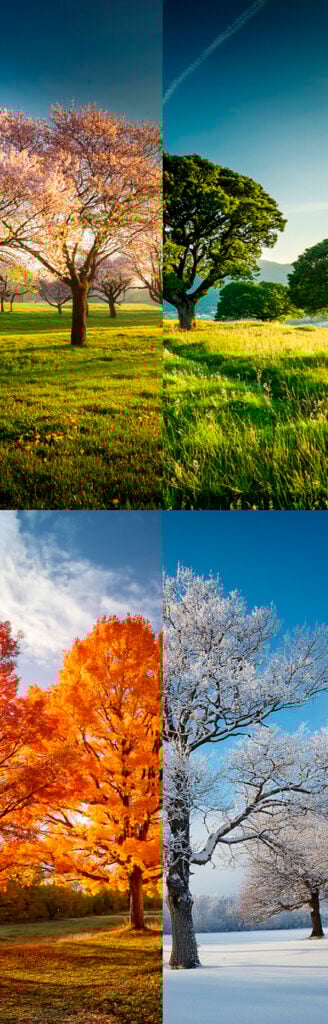
Some may argue that a summer read should be read on the beach, and a winter read should be read cozied up on the couch or by a fire. I argue that all books, with the inclusion of seasonal characteristics or not, touch on layered themes of discovery, and maybe even transformation. In this case, surely within them, seasons are inherent, as they are within us. When I look for a book to read, I am not merely inquiring whether or not it is reflective of my interests, or if it’s the correct time of year. I am looking for indications that the writer will take me on a journey through character, plot, or setting. A book I’ve recently read, The Overstory by Richard Powers, does this well I believe. We learn about the complexity of trees, their networks, and forest behaviors, but we also learn about the seasons of life and society through central characters and the natural environment. Perhaps the seasons are not dictated by weather, but by the phases of experience, though this can prove to be quite difficult to investigate with only a jacket synopsis!

Take a look at your “to be read” and “want to read” piles. Are there books in those lists that you saved to read for a certain time of year? What would happen if, instead, you read them now? Perhaps, there is more for you to discover.

Nonetheless, there are many exciting releases to watch for this spring. Below I have highlighted just a few to expect from Florida writers:
-Brawler: Stories by Lauren Groff, author of Florida and Arcadia
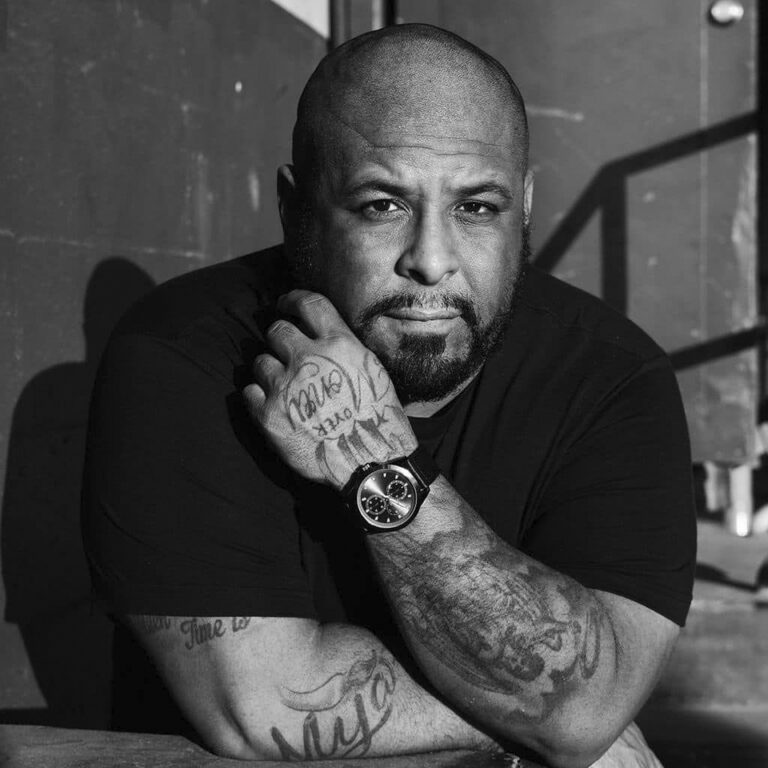
-Myra by Nicky Gonzales
-Maybe the Body: Poems by Asa Drake

In January, I wrote that writing is recurrently a solitary act of love. Reading can be this too, but I encourage you all to take this issue, or your next read, and enjoy it alongside a new friend, or a tree of whom may provide you shade from the warming sunshine.

Until next time.
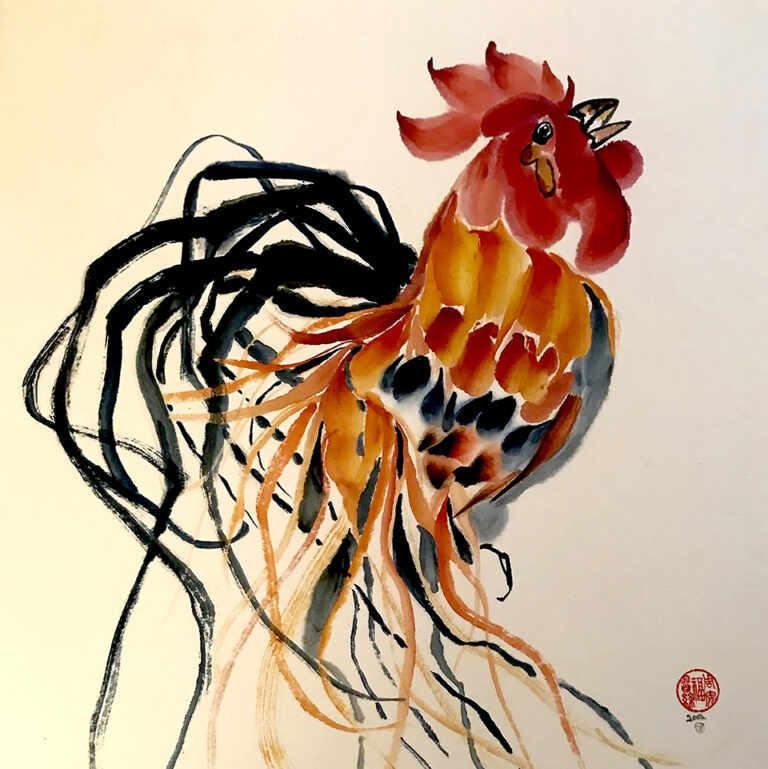
Jo-An Thomas: The Stillness Within the Stroke

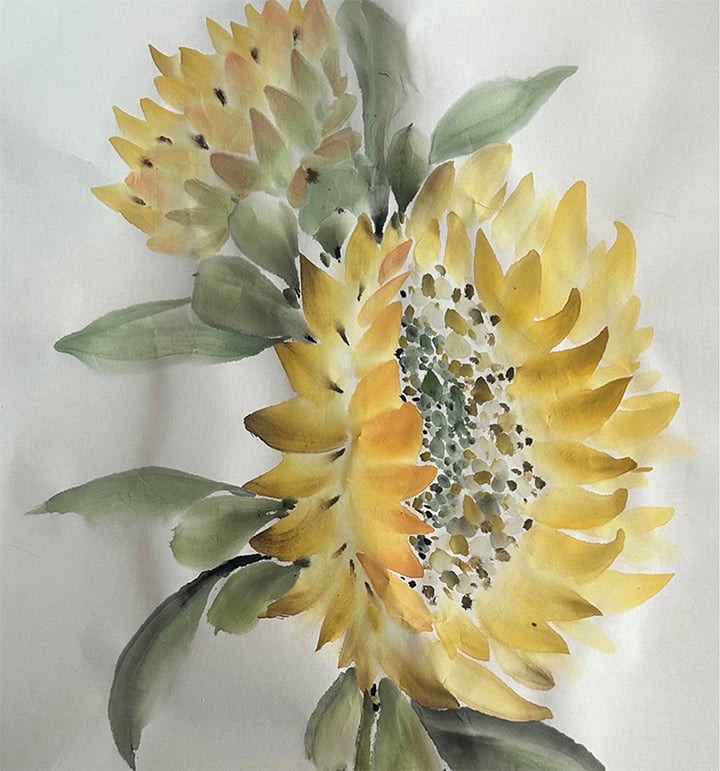
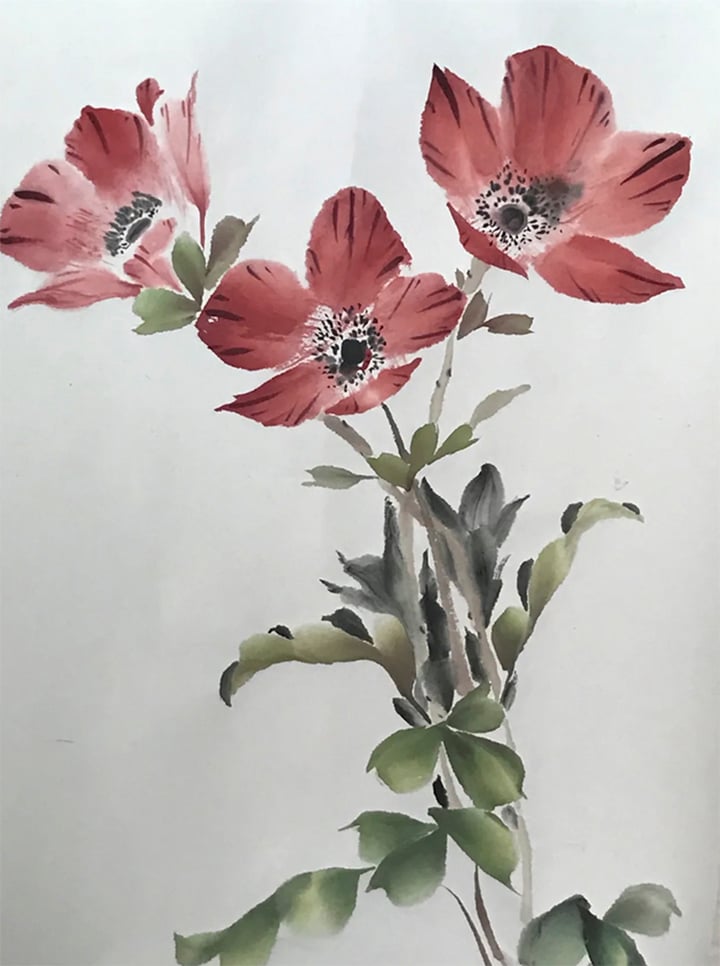
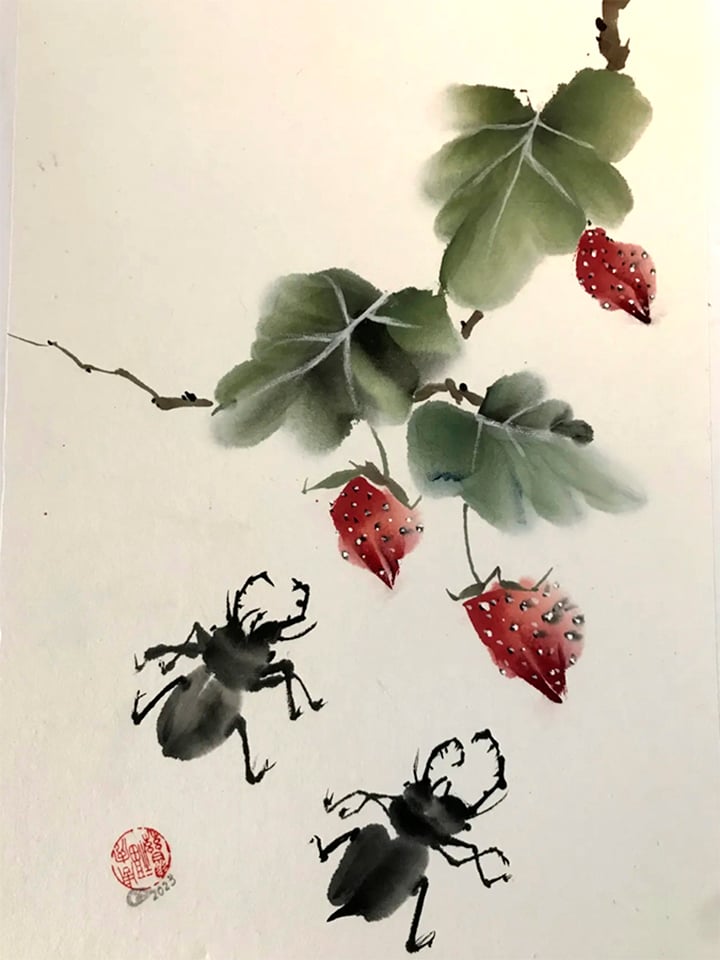
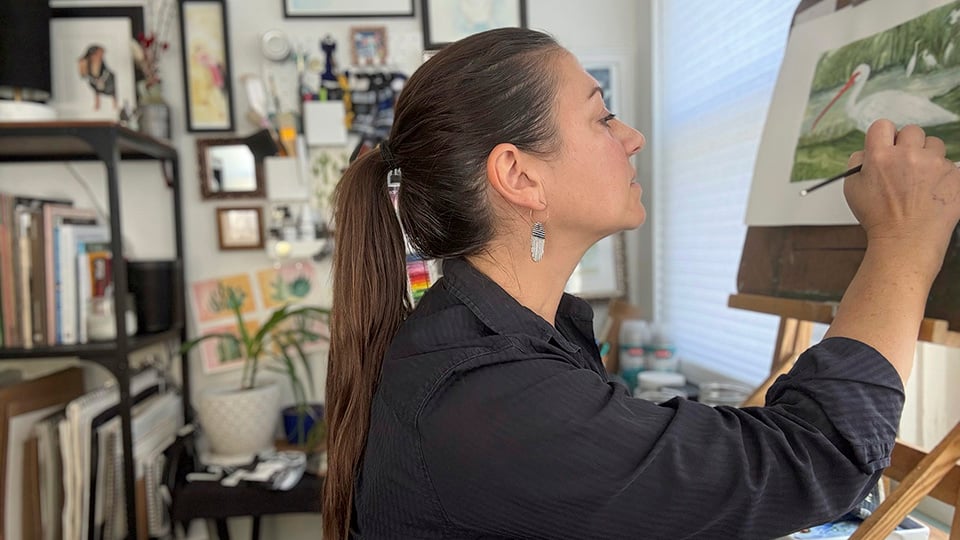
In her St. Petersburg studio, artist Jo-An Thomas approaches the blank surface with quiet resolve. Before her is rice paper — unforgiving, absorbent, final. In her hand, a Chinese brush loaded with ink. There is no sketch beneath, no erasure ahead. Each mark must arrive fully formed.

This is the discipline of Chinese brush painting, a centuries-old tradition rooted in calligraphy, philosophy, and meditation. For Thomas, it is both a technical practice and a way of seeing.

“The brush records everything — your breath, your focus, your state of mind,” she says. “You can’t separate the image from the moment it was made.”

Thomas came to the medium on a chance visit to a small gallery in a Japanese high-rise shopping center that sparked her interest. The master spent 2 hours talking to her about the art form. She was smitten by a simple painting of a turtle, and that painting has stayed in her mind.

From that point forward, she pursued the discipline seriously, studying traditional techniques, classical texts, and the philosophy underlying the practice. Central to Chinese brush painting is qi — the life force believed to flow through all things. The goal is not realism, but essence: to suggest bamboo rather than describe it, to evoke water rather than define it.

Thomas’s work reflects this philosophy. Her paintings — bamboo groves, flowering branches, mist-shrouded landscapes — are composed with elegant economy. A single line may suggest wind. An open field of paper becomes space, breath, silence.

What distinguishes her work is a balance between spontaneity and control. Each piece requires preparation and stillness, yet the execution must be immediate. Once the brush touches paper, there is no correction.

“You commit,” she says. “That commitment gives the work its vitality.”

While deeply rooted in tradition, Thomas’s paintings feel contemporary in their exploration. In recent series, she explores themes of impermanence, quiet resilience, and the tension between presence and absence.

Her approach also extends to teaching. In workshops, students are encouraged to slow down, to attend to posture, breath, and intention before making a mark. Technique matters, but awareness matters more.

Today, Thomas’s work appears in regional exhibitions and private collections. “If someone slows down — even briefly — and really looks,” she says, “the work has succeeded.”

In an era defined by noise and speed, Jo-An Thomas’s art offers something increasingly rare: a moment of stillness, held in ink.

Website

The Art of Art’ing: Collaboration as Culture

0

Last issue, we reflected on the late, great Kimberly Hendrix. Not just as a creative force, but as a connector with a gravitational personality. The kind of person whose energy pulled artists, stylists, photographers, and dreamers into the same orbit. More than a decade later, that spirit still shapes the foundation of our art and culture scene here. The truth is simple: scenes don’t grow from talent alone… they grow from collaboration.

This story is about one of those collaborations.

Art isn’t just output. It’s interaction. It’s participation.

Enter the team:
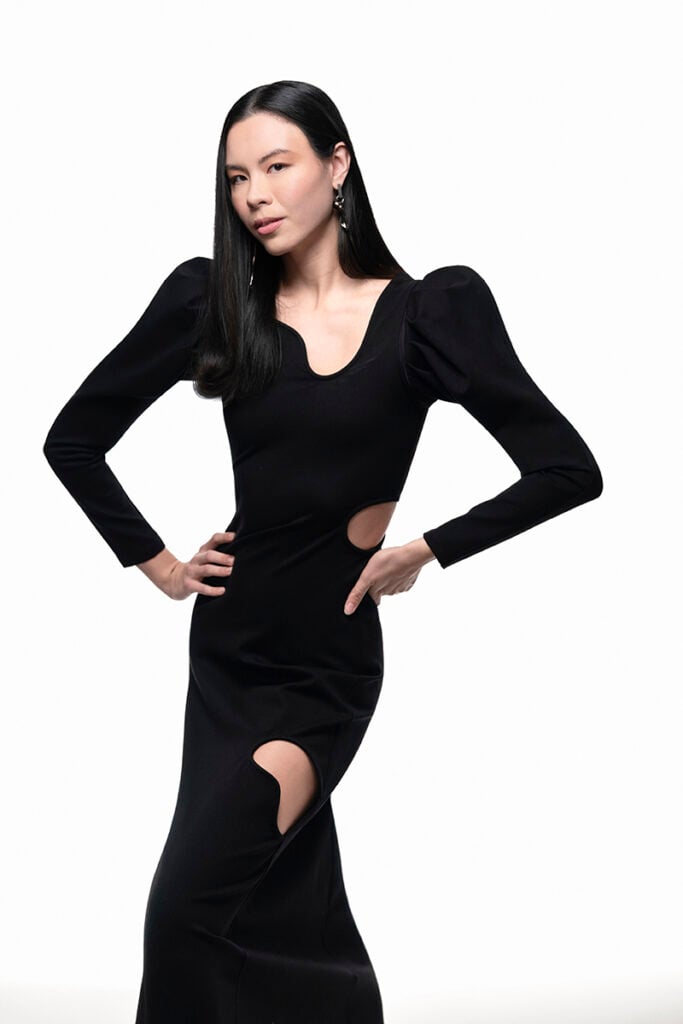
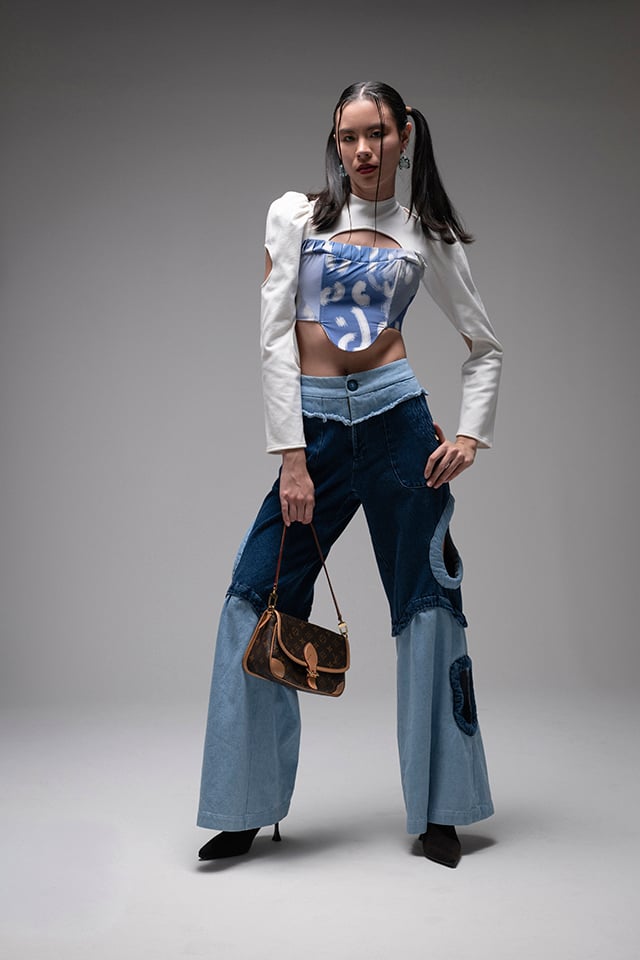
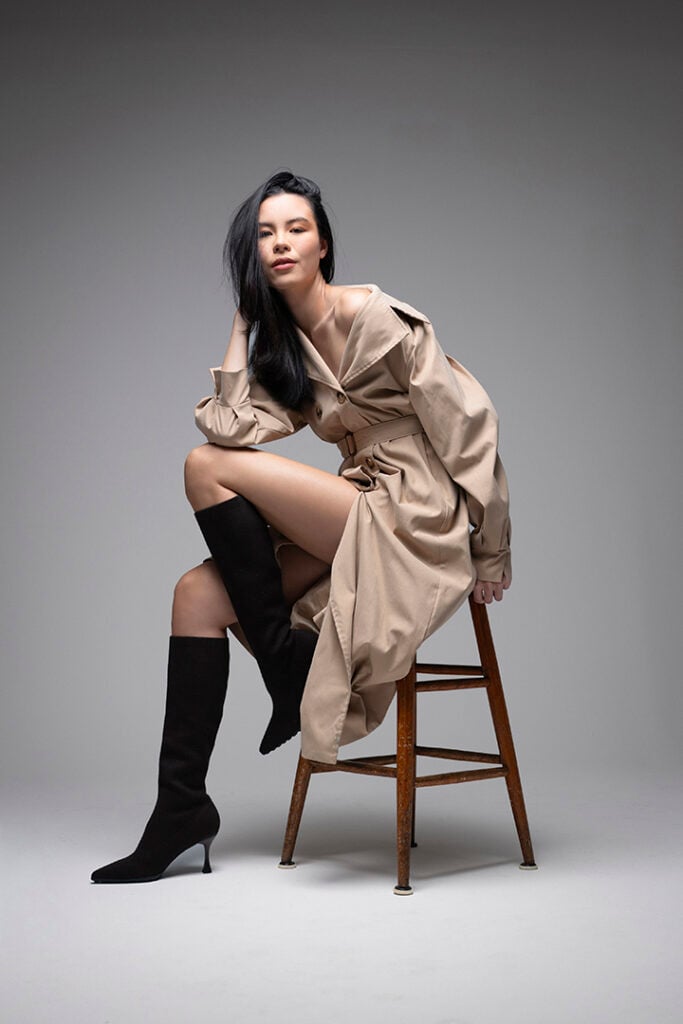
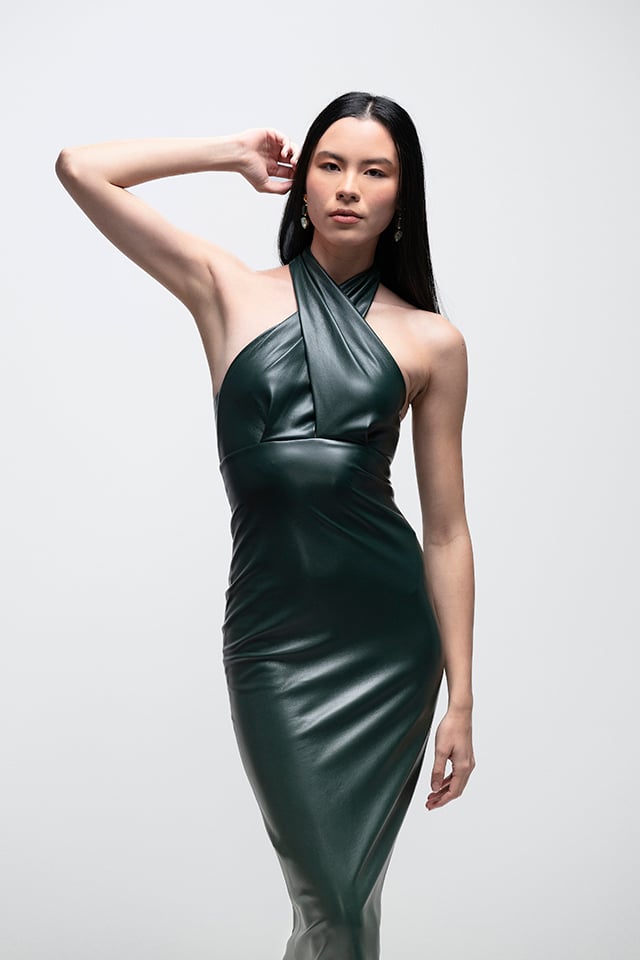
Liza Fleming — z•aa dress up studio — wardrobe with personality
Sophia Lazaro — Hair & Makeup — shaping mood and character
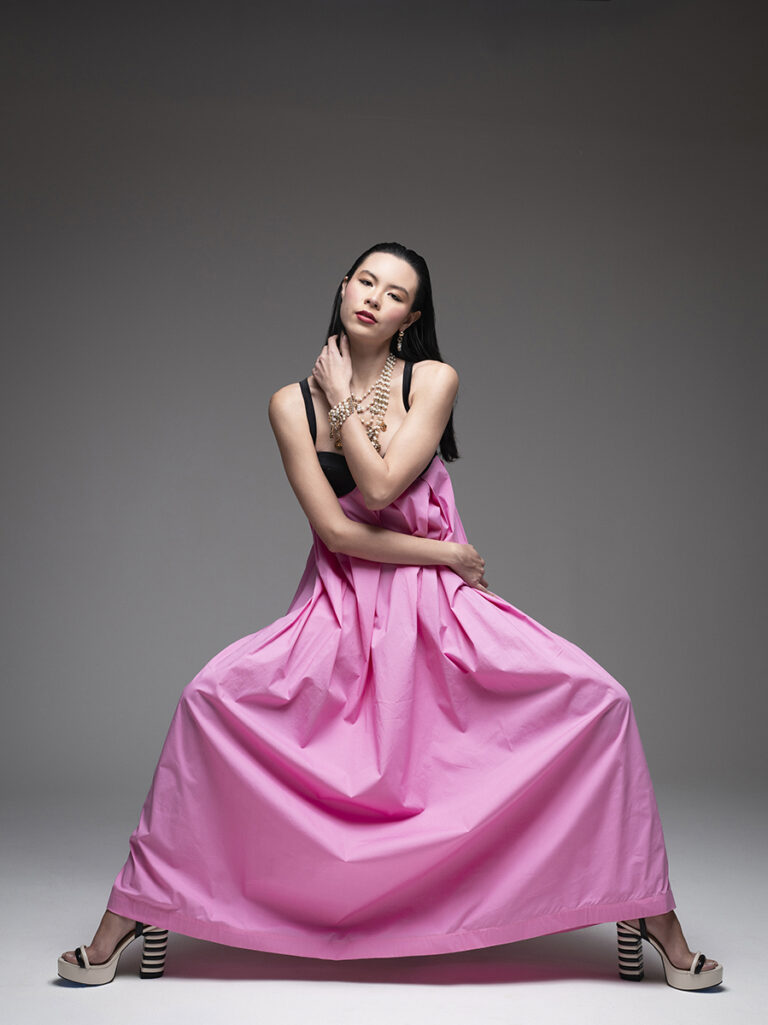
Mandy Jiang — Model — presence, instinct, and on-set celebrity (because every model is)
Téa Bremner — Production — a curator’s eye meets a producer’s vision
Brian James — Photographer — yeah, that’s me 🙂

Mandy Jiang — Model
Mandy Jiang — Model

While on a recent commercial lifestyle shoot, Téa and I had the pleasure of working with model Mandy Jiang. Téa turned to me while on set and said, “We need to shoot with her again. She’s got so much range.” Then she started building the vision out loud: lean into the edginess, go more editorial, push the wardrobe, deepen the lighting, elevate the makeup. Mood board incoming…
That’s where the collaboration began.

Mandy Jiang — Model
Mandy Jiang — Model

Mandy was first in. “Fashion is a means of expressing who you are to the world without words,” she said. Perfect answer. Now we needed fashion with a voice. When we reached out to Liza at z•aa, her response matched the energy immediately: “I’ve always respected your vision and your unique aesthetic; Clean, polished, strong, edgy, distinct. I see those same qualities rooted in what we do at z•aa.” It’s coming together. Next: hair and makeup. Sophia Lazaro didn’t hesitate. “As soon as you reached out, I was thrilled to be part of it. I was drawn to the creativity in the mood board and knew we could make something special.”
That’s how it happens. Not with contracts, but with conviction.

Mandy Jiang — Model
Mandy Jiang — Model

Sometimes as a creative, you need a shoot that feels like it’s just for you. No client. No clock. No required outcome. Just space to test lighting, explore mood, and make images for the love of making images. It’s a return to the origin point where talent meets trust. Friends as models, shared wardrobe racks, pooled ideas, and a great playlist in the background.
Fashion photography is never a solo act. It’s a team sport and every position matters – photographer, stylist, model, makeup artist, producer. Each contribution compounds the result.

TEAM: Together Energy Accumulates Moments.
I just came up with that and I’m keeping it.

Connection is the catalyst, and collaboration is the multiplier. The work, the images, the fashion, and the culture are simply the visible results of creative people choosing to build together.

That’s where I choose to live.

Forever creating.
B.

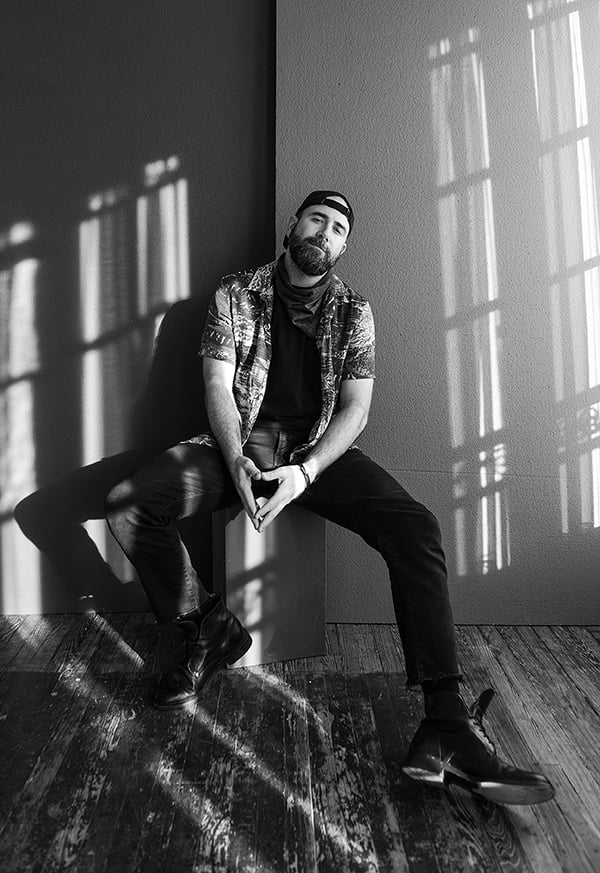
Photographer Brian James in studio. St. Petersburg, FL. Brian James Gallery Photography.

Brian James Photography

Ultra Mundane Gallery

Ora Fraze and the Rise of…..
A New Portal for Contemporary Art in St. Petersburg, Fl

St. Petersburg has never lacked creativity, but every so often, a new space emerges that changes the dialogue of the local art landscape. Ultra Mundane Gallery—co-founded by digital artist Ora Fraze and curator-photographer Stephanie Agudelo—is one of those spaces. More than a gallery, it is a cultural portal: a place where nostalgia, aesthetics, and community energy collide.
A St. Pete Artist with a Vision

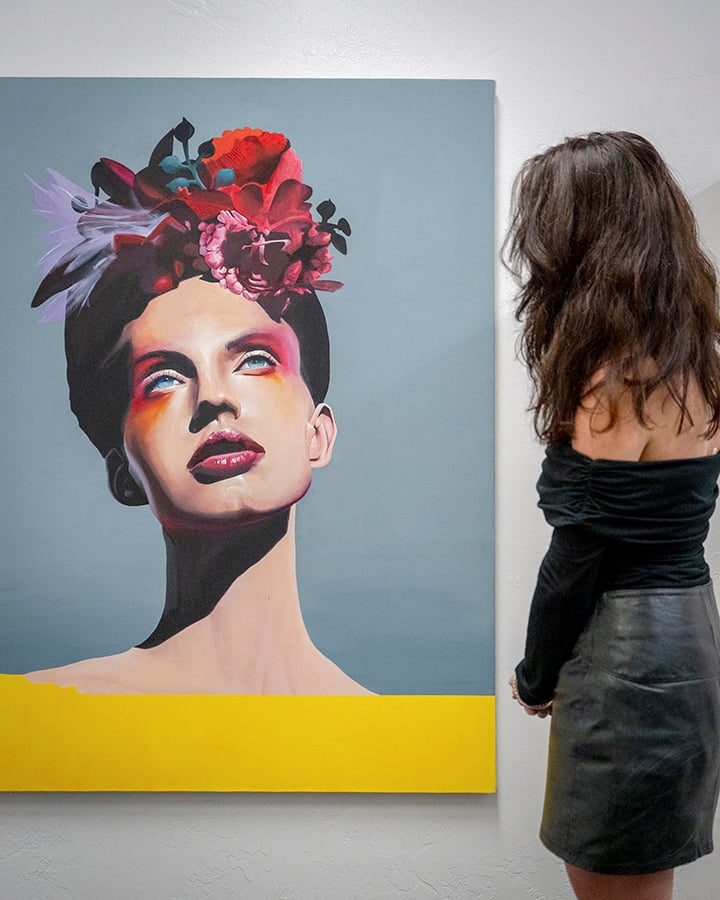
Ora Fraze has long been known in creative circles as a versatile digital artist—part illustrator, part designer, part visual storyteller. Born and raised in St. Petersburg, he built his artistic identity from the ground up, weaving together influences from graphic design and pop culture. His work often feels like a blend of Y2K futurism and contemporary surrealism, a style that stands out sharply in a city better known for murals and marine-inspired painting.

The Birth of Ultra Mundane

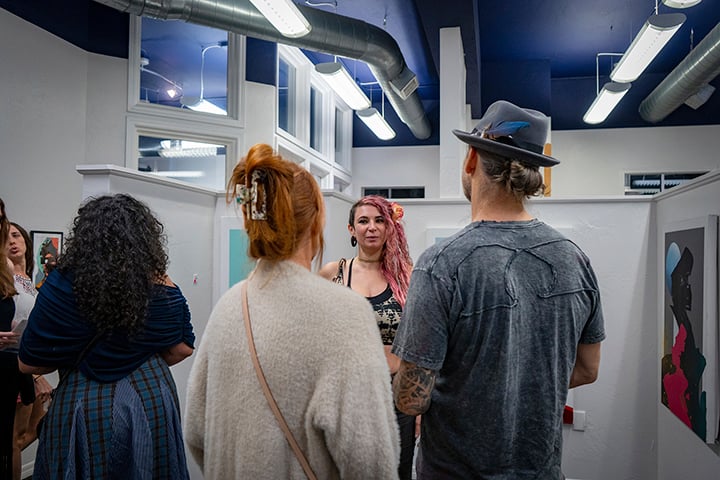
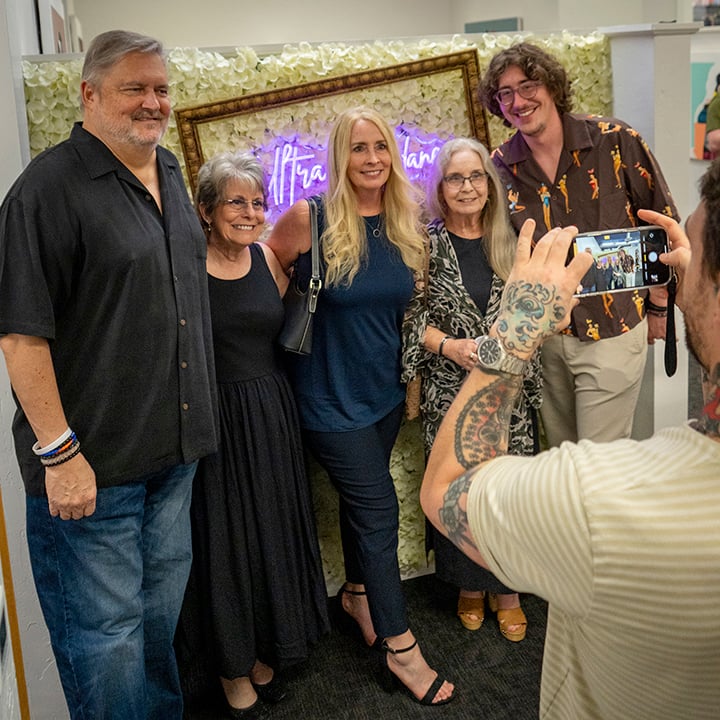
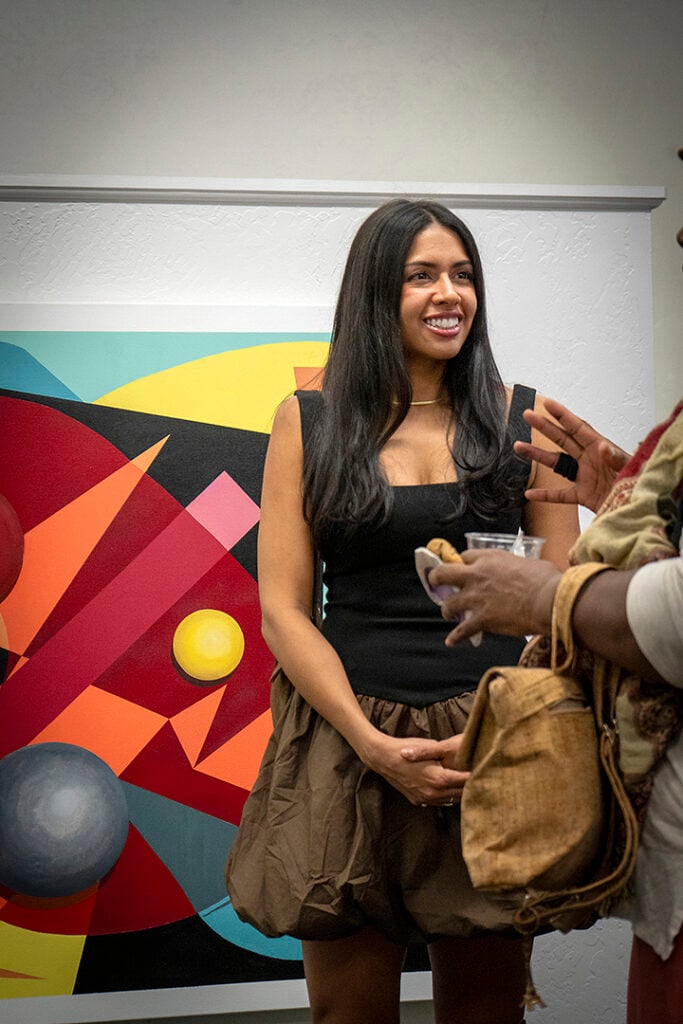
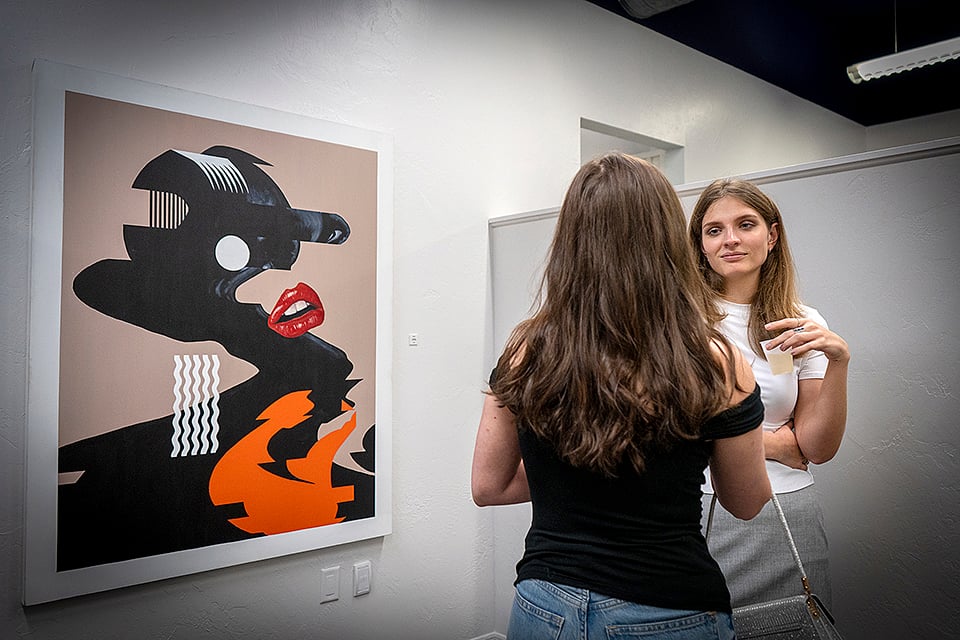
Ultra Mundane Gallery opened its doors at 1750 Central Avenue with an inaugural reception titled “A Portal Opens.” The name wasn’t metaphorical; with neon tones, clean minimalism, and nostalgic nods to early-2000s aesthetics the gallery set the stage for a new vision.

Together with Agudelo—whose curatorial instincts and photographic sensibilities helped shape the gallery’s identity—Fraze imagined Ultra Mundane as more than a white cube. “We wanted a space where everyone—artists, audiences, collectors, etc., could meet on common ground,” he emphasized. The result is a gallery that is warm yet visually striking, playful yet intentional.

A Gallery That Embraces the Experimental

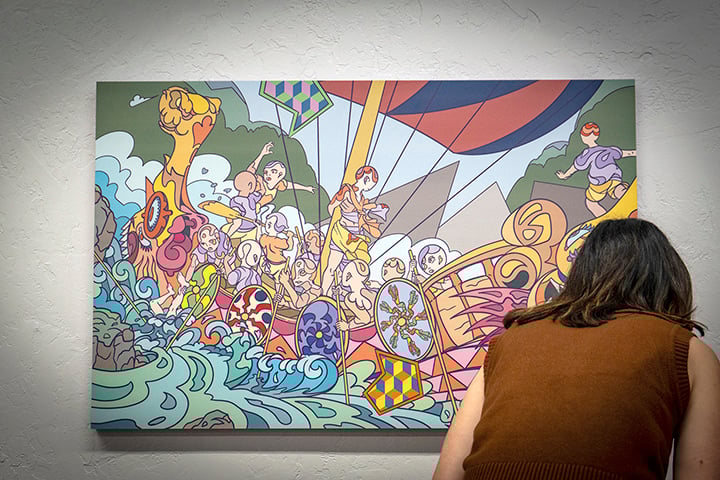
Ultra Mundane’s debut exhibition, “Continuum,” introduced Swiss artist Marius Wiget to the St. Pete arts community. Wiget’s work, which blends realism and abstraction into fluid, dreamlike compositions, set the tone for what the gallery aims to champion: artists whose practices intersect the conceptual and the aesthetic; works that feel as alive as they are inventive.
But the gallery’s programming extends beyond traditional exhibitions. Fraze and Agudelo plan to host multimedia installations, digital showcases, collaborative pop-ups, art talks, and community-driven gatherings.

In a creative economy increasingly shaped by digital tools and hybrid art forms, Ultra Mundane stands at the edge of what’s next. It embraces that in-between zone where technology, fine art, and culture merge—a space Fraze understands intuitively through his own work.

A New Energy in the Grand Central District

Located in St. Petersburg’s vibrant Grand Central District, the gallery is poised to become a cultural hub for the city’s growing contemporary art scene.
The gallery’s aesthetic leans heavily into the duality of its name: “mundane,” rooted in the everyday; “ultra,” pointing toward the extraordinary. Together, the words describe the experience of walking into the space—recognizable yet elevated, commonplace yet top-tier.

What Ultra Mundane Represents

The opening of Ultra Mundane Gallery is more than a business venture or a new exhibition space. It’s an expression of Fraze’s belief that St. Petersburg can—and should—embrace the unconventional. It’s an invitation for the community to explore contemporary art through a fresh lens.

For Ora Fraze, the gallery is the beginning of a much larger continuum. As he and Agudelo curate new exhibitions, uplift emerging voices, and reimagine what an accessible art space can be, Ultra Mundane is poised to become one of the city’s most important cultural destinations.

In a city bursting with creativity, Ultra Mundane Gallery opens not just its doors, but a portal—to new ideas, new talent, and an exciting new chapter in St. Petersburg’s contemporary art story. •

Ultra Mundane Gallery
1750 Central Ave, St. Petersburg, FL 33712

Side Notes…Spring Is an Open Door

We thought we wanted more winter. More cold days. More reasons to stay inside. January and February gave us permission to slow down—to hunker in, warm fire nearby, coffee in hand, creating in slippers without an audience. Quiet months. Necessary months.

The kind that let ideas breathe.

But those days are behind us now.

Spring shifts the energy. It asks for intention. For plans. For movement. I’m always surprised when someone says they have no goals—that they’ll just wing it and see what happens. Maybe that works for some, but for many of us, direction creates momentum. Even small steps count. I often ask myself how much I can accomplish before lunch on any given day.

Have you signed up for that class yet? Sent that introduction to the gallery that’s been sitting in your drafts? Submitted your work to that show you’ve been dreaming about? Bought the dancing shoes that make you feel unstoppable? Each small step is a thread in the tapestry of your year, and right now is the perfect moment to weave it. Creativity isn’t just what happens in the studio—it’s how you show up for it, in every decision, every risk, every little yes to yourself.

It’s not too late to make a difference. We are the patrons of our own lives, and creativity will take whatever we are willing to give it—time, courage, attention.

Winter nurtured the seed of your creativity. Spring gives it sunlight, space, and the chance to grow. Step forward with your art, your performance, your vision—it’s ready to be seen.


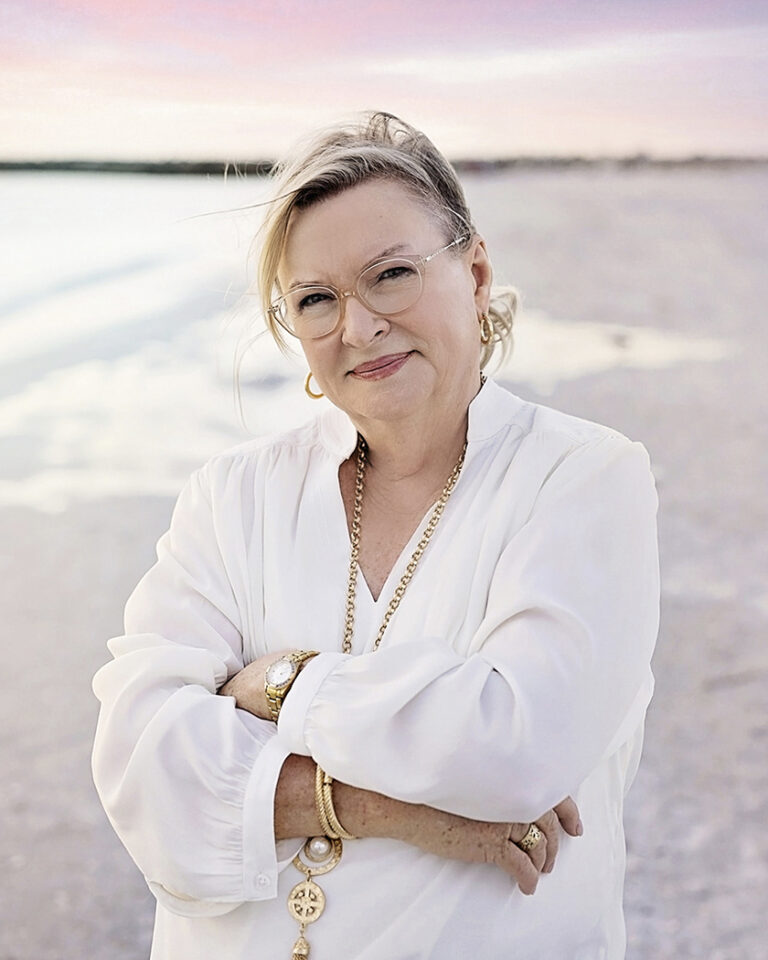
Betsy Ore Glass

Narrative Eyes on Real Lives

Blake Cortes|ArtDocs.TV

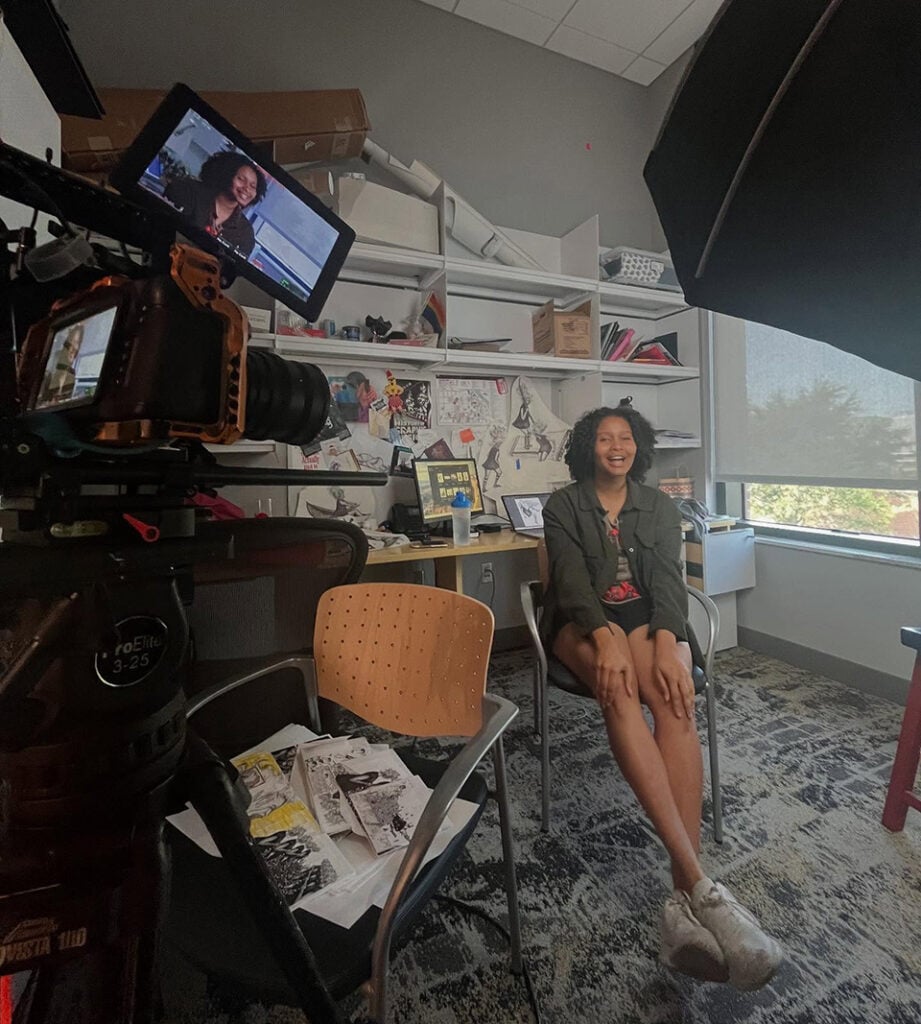
Blake Cortes is a local filmmaker working across documentary, narrative, and commercial projects with an eye toward stories rooted in human experience and cultural identity through ArtDocs.tv. As a cinematographer and director, his work often centers on real lives and creative communities, emphasizing the visual poetry of everyday people and places. His portfolio includes short documentaries, narrative shorts, and collaborations with public broadcasters like PBS.

ARTDOCS TV is a documentary series concept developed by Blake that focuses on artists and creative voices, particularly those in St. Pete, Tampa and the broader Central Florida art scene. The series showcases the personal journeys and creative practices of diverse visual artists — from painters and sculptors to multimedia makers — through short episodic profiles.

Documenting artists’ stories makes the creative process more personal and helps audiences understand why art matters beyond aesthetics — grounding it in identity, struggle, and community.


In an era where fine art and documentary storytelling often occupy separate worlds, ARTDOCS TV blends the two in accessible form.


This approach:
• Brings visibility to regional and emerging artists outside of traditional gallery circuits.
• Democratizes the local art scene by sharing creative insights with broader audiences through digital and broadcast platforms.
• Preserves cultural insights that might otherwise be overlooked in contemporary arts coverage.


By focusing on personal stories and creative processes, Blake contributes to a more inclusive understanding of art and artists in Tampa Bay and beyond — particularly outside major museums and galleries.

Art Docs.TV

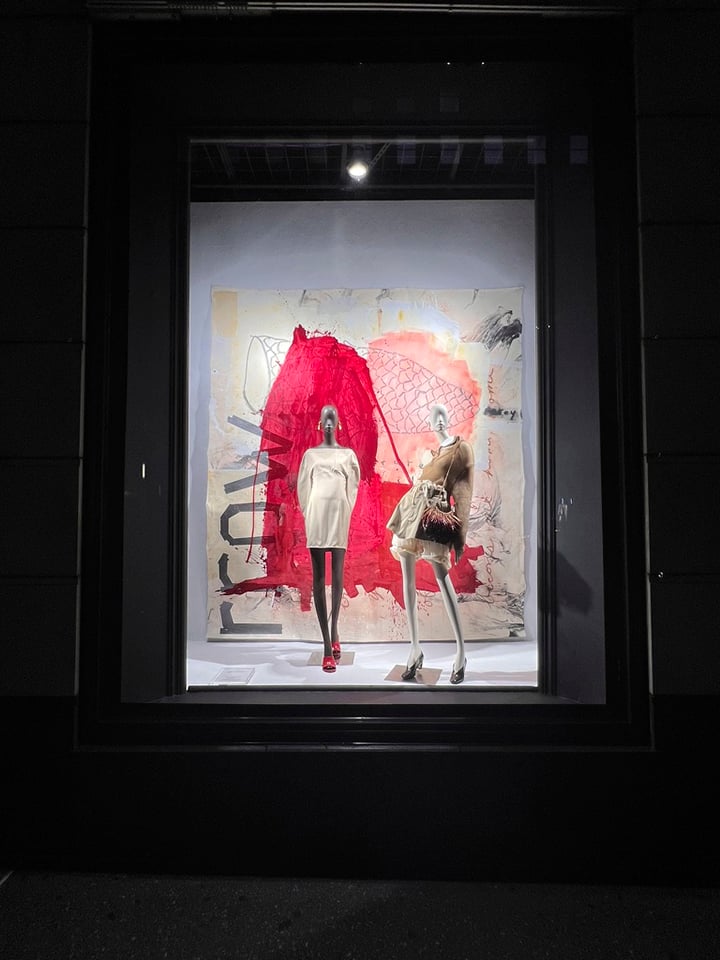
Jason Hackenwerth: Ephemeral Forms, Eternal Impact

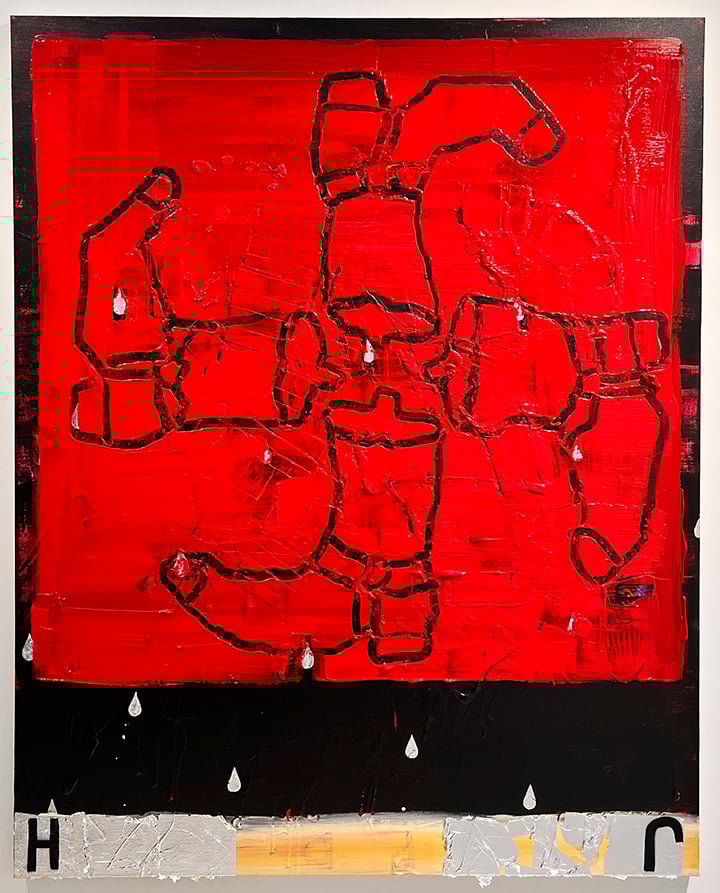
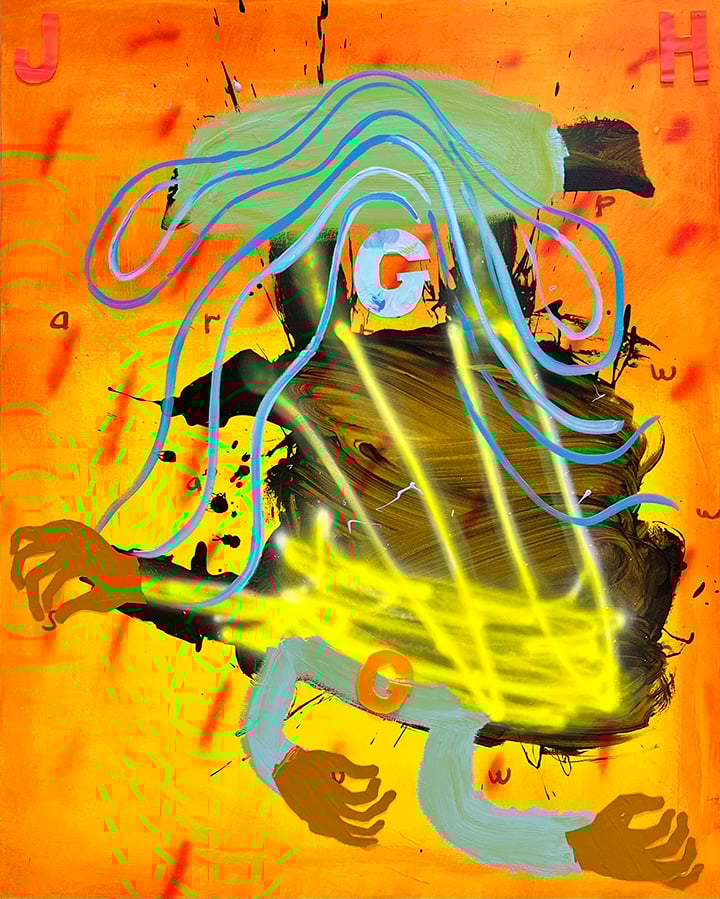
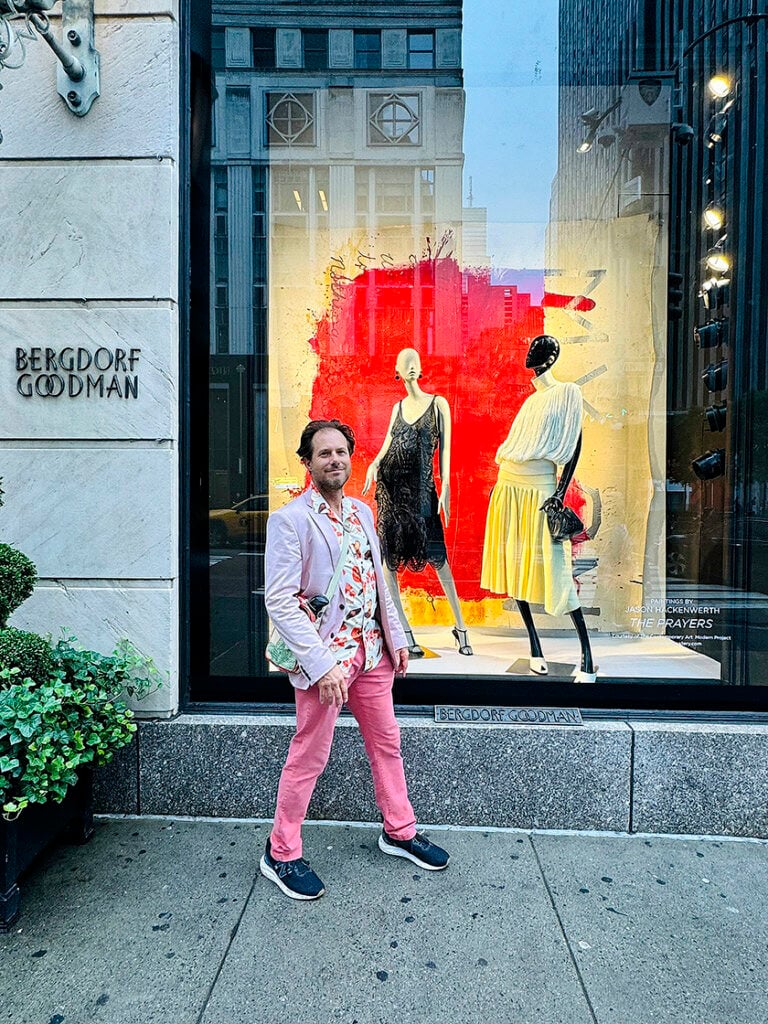
Few contemporary artists navigate the territory between spectacle and substance as deftly as Jason Hackenwerth. Based in Saint Petersburg, Florida, Hackenwerth has built an international reputation for work that is immediately captivating, art that invites delight while confronting impermanence and transformation. Across sculpture, installation, and painting, his work resists easy categorization, instead it unfolds as a question into how materials, bodies, and spaces come alive.

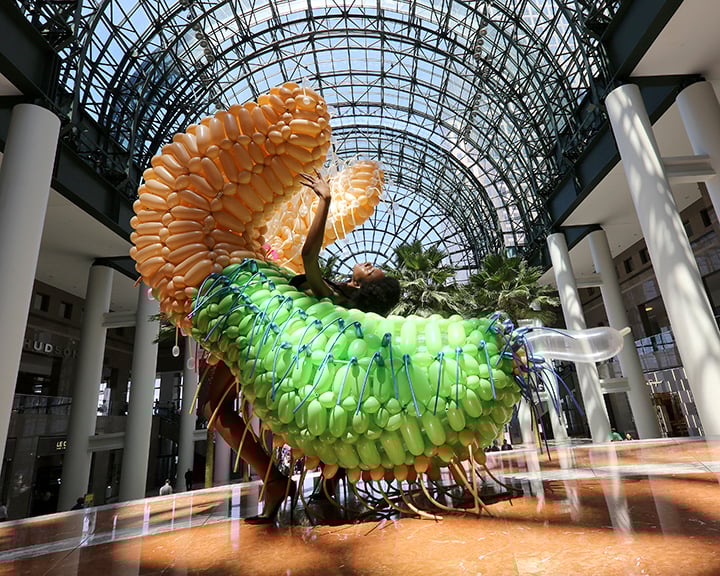
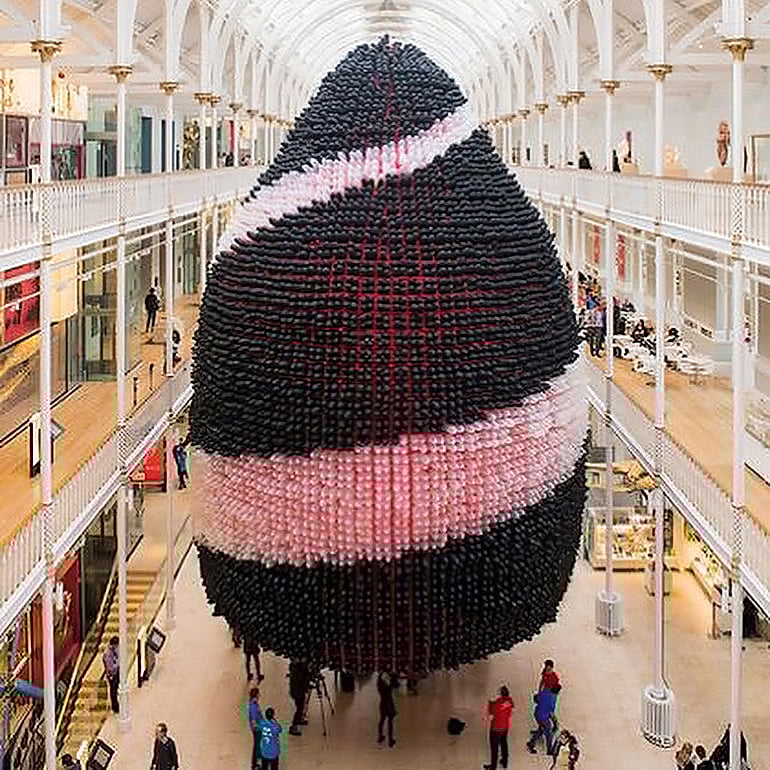
Born in St. Louis, Missouri in 1970, Hackenwerth’s early exposure to art came from everyday creativity — including his mother’s balloon twisting. What might have remained a novelty instead became a serious artistic endeavor. By exploiting balloons Hackenwerth positioned himself within a line of artists who challenge the stereotypical use of materials.

His formal education — a BFA in Printmaking from Webster University (1997) and an MFA in Painting from the Savannah College of Art and Design (2010) — provided the conceptual and technical grounding that distinguishes his work. This dual background is essential: it explains how his installations achieve both visual excess and structural intelligence, while his paintings retain a two dimensional sculptural sense of rhythm and spatial exploration.

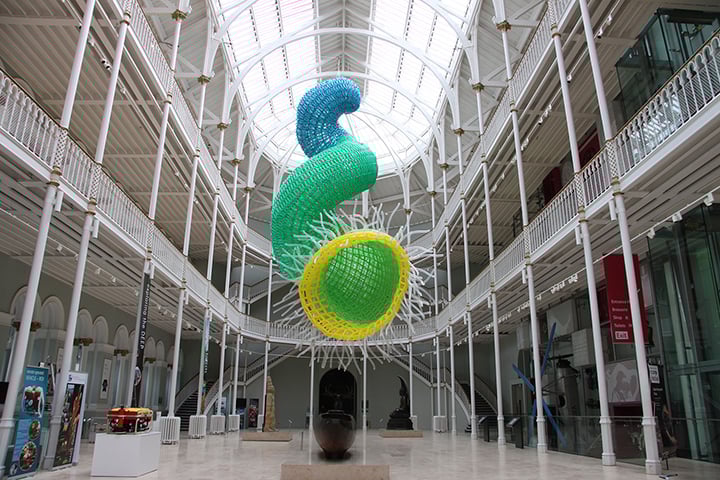
Hackenwerth’s work has been exhibited by institutions including the Solomon R. Guggenheim Museum, the Victoria and Albert Museum, and National Museums Scotland, affirming that his unconventional material choices operate comfortably within the highest levels of the contemporary art world.

Living Forms and the
Aesthetics of
Impermanence

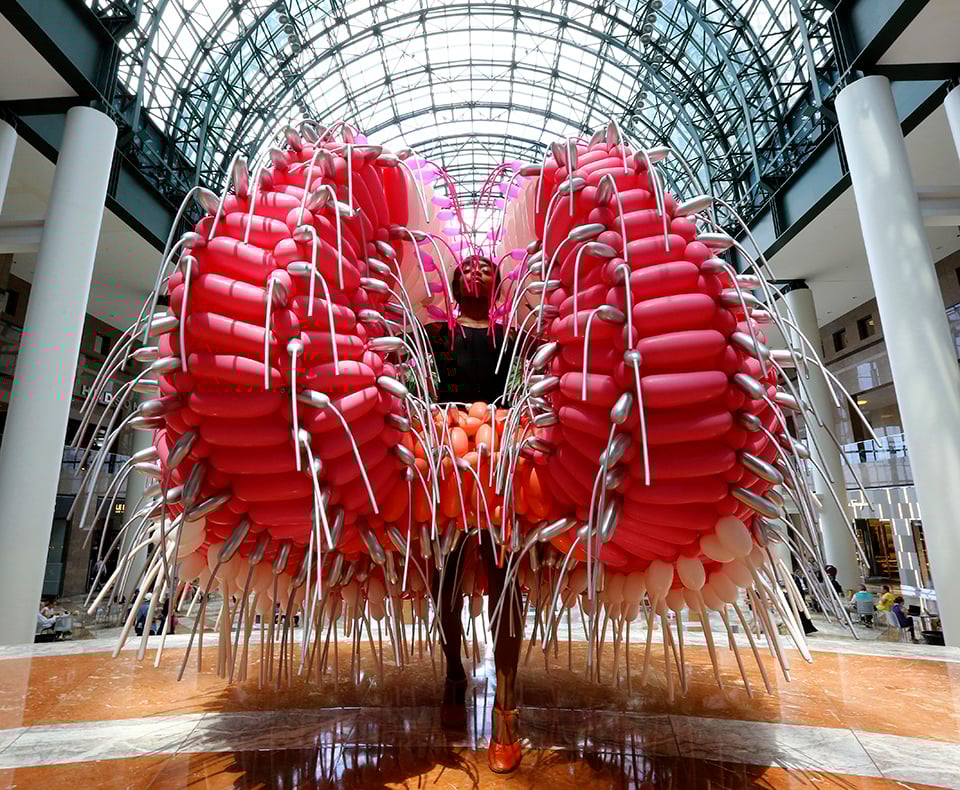
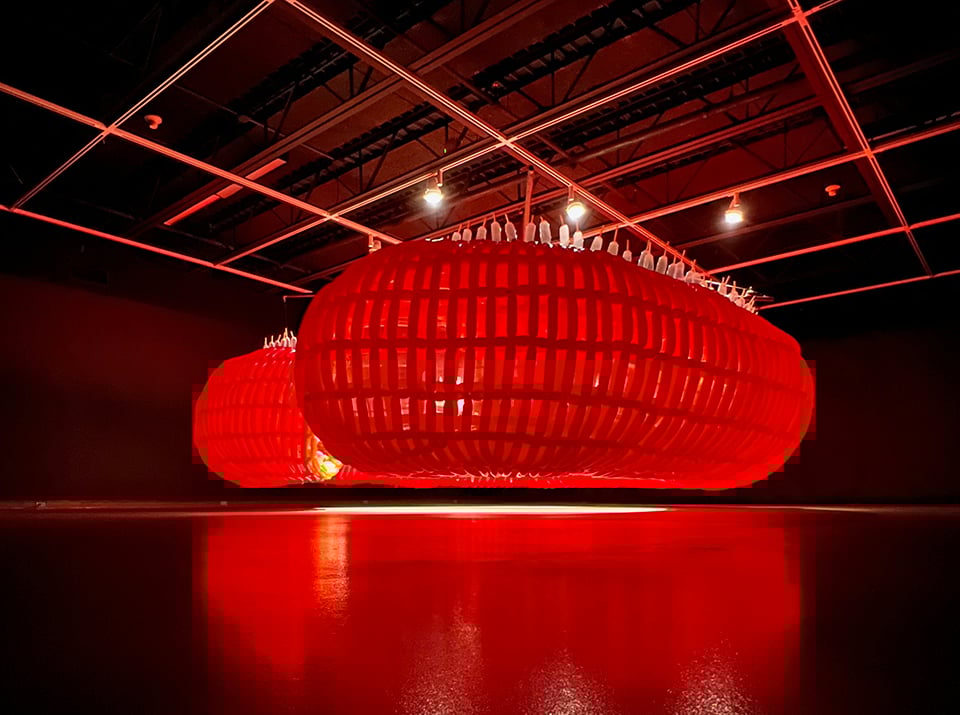
Hackenwerth’s balloon installations are best understood not as objects, but as events. Composed of thousands of hand-tied latex balloons, these sprawling, biomorphic structures appear to breathe, twist, and mutate within space. Viewers often describe them as creatures — part animal, part myth — an instinctive response that speaks to the work’s power.

Yet the emotional pull of these forms is inseparable from their fragility. Balloons age. They deflate, sag, and eventually collapse. Hackenwerth does not try to hide this reality; he embraces it. In doing so, he aligns his art with philosophical ideas around temporality, entropy, birth, and death. The work’s inevitable decay becomes part of its meaning, transforming delight into reflection. His installations ask a quiet question: What does it mean to be moved by something we know will not last?

Painting as
Psychological
Introspection

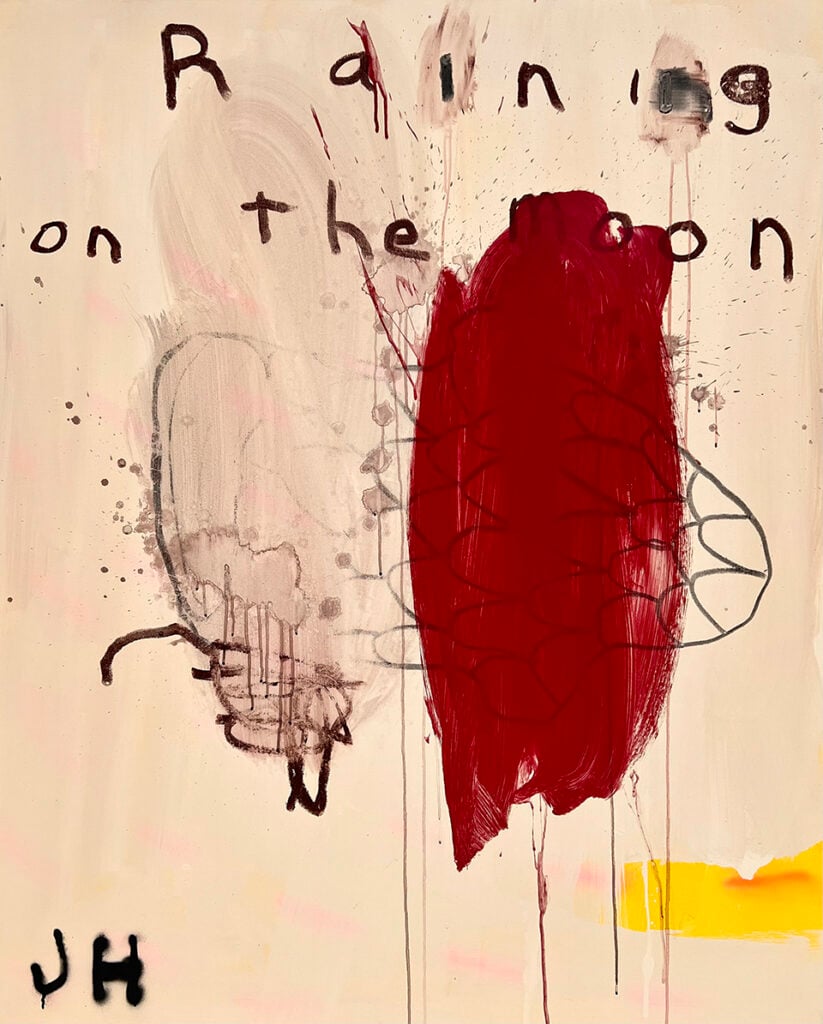
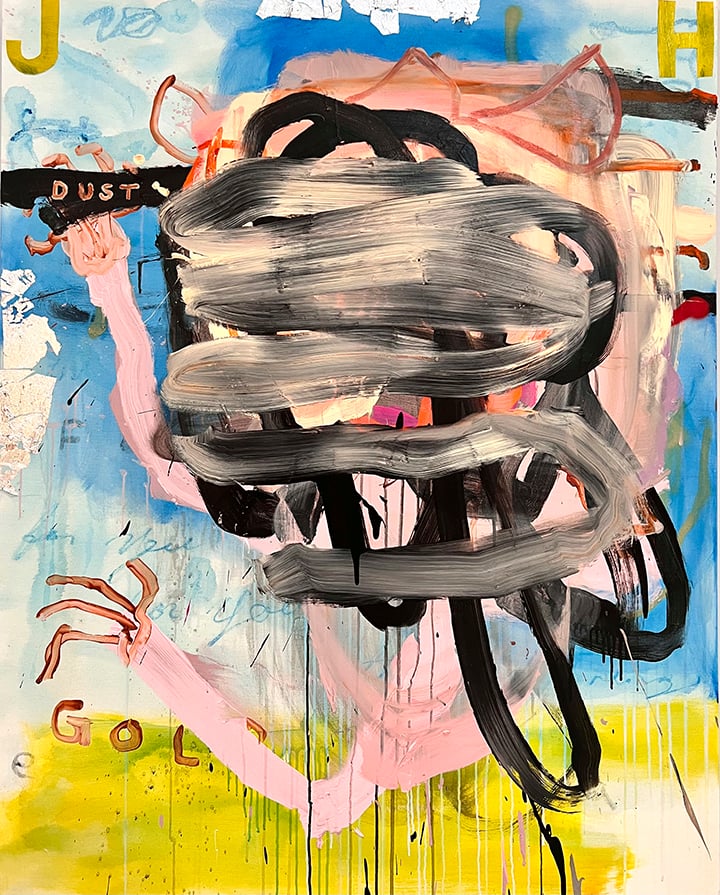
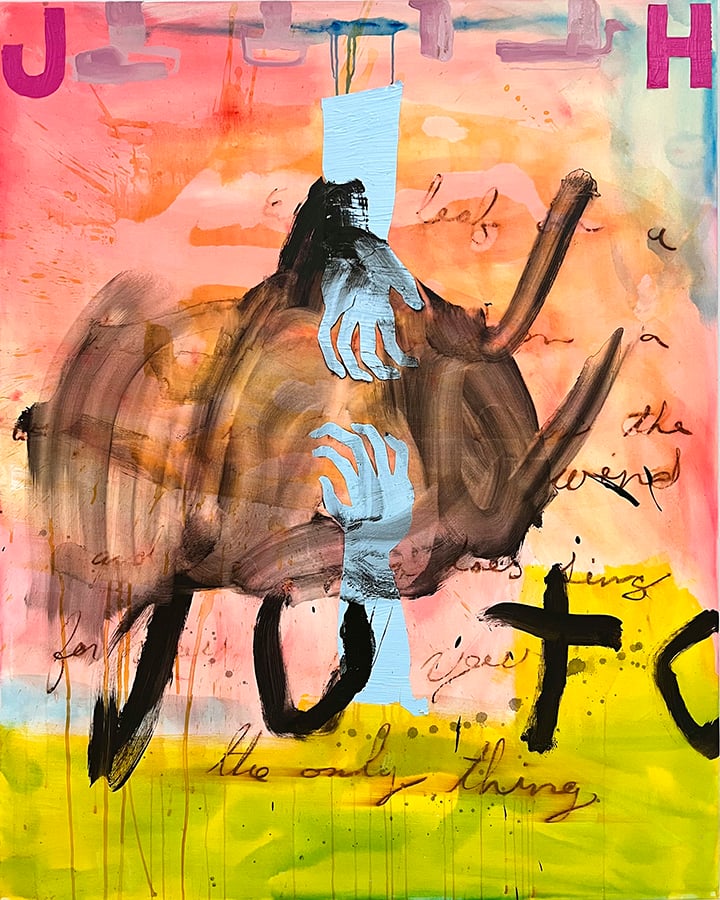
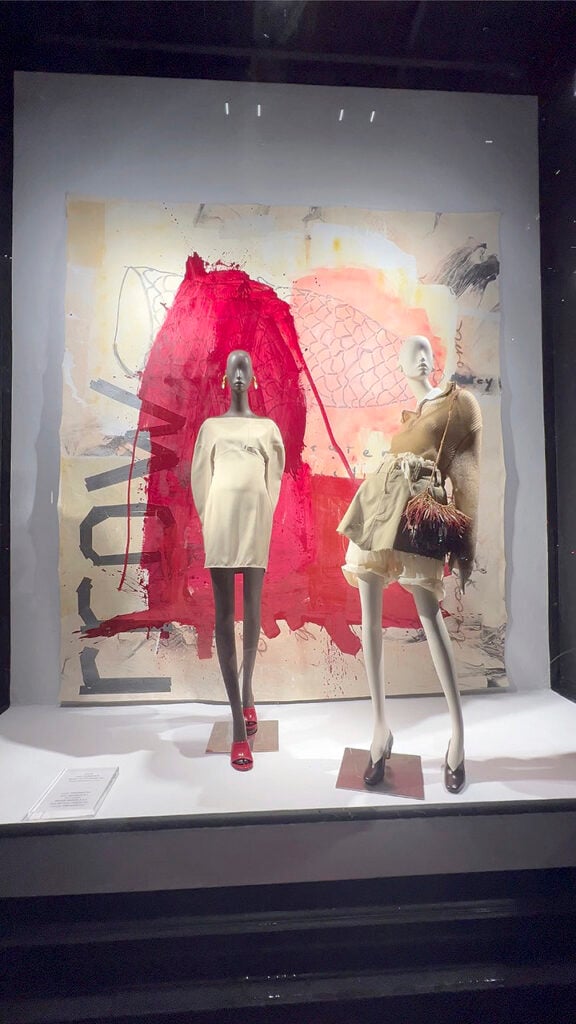
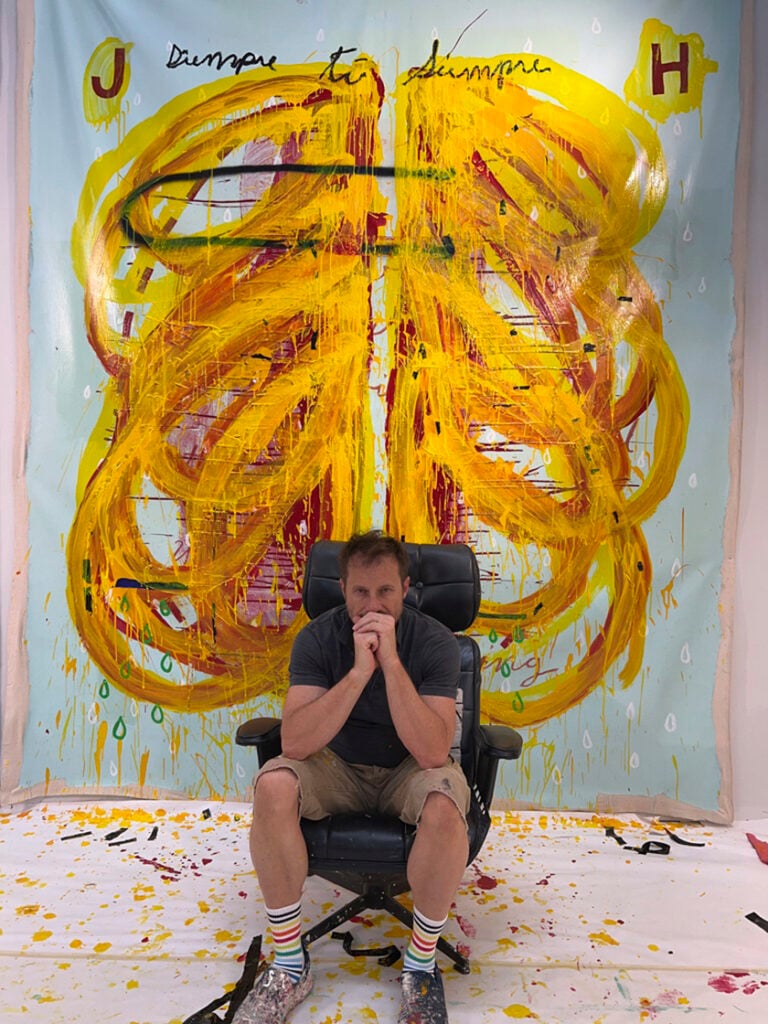
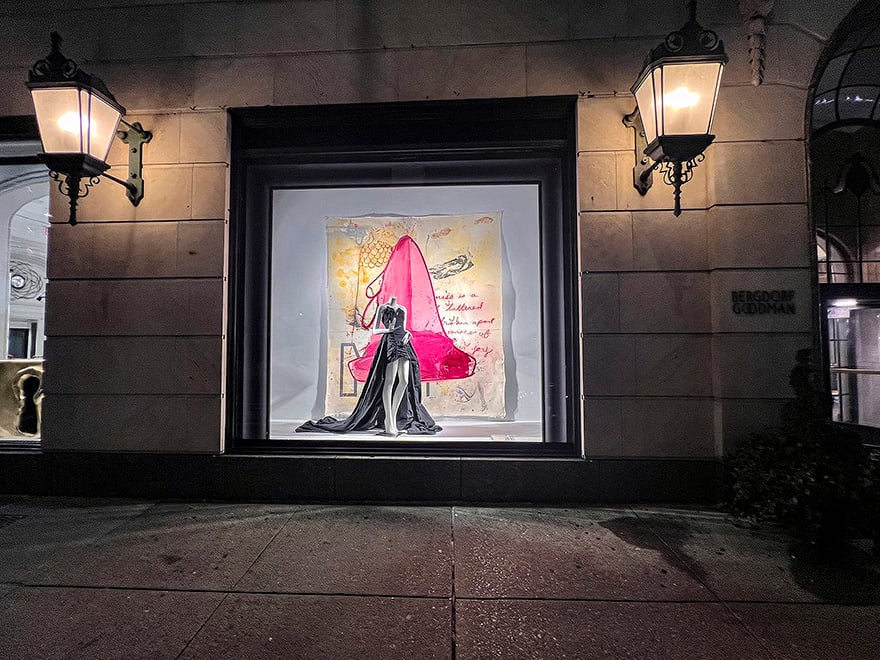
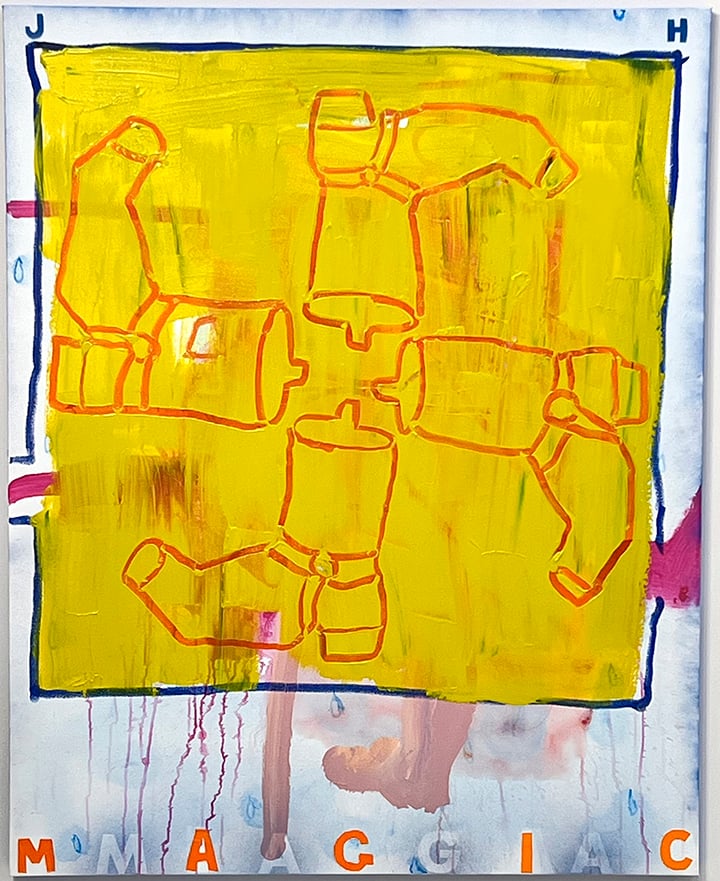
While the balloon installations command attention, Hackenwerth’s paintings offer a crucial counterbalance. These works are more introspective, they do not fight for structural balance. There is an abstraction of symmetry through emotional freedom. It’s what happens when a core, baseline human psyche gets splashed in vivid color onto canvas. Defining, classifying, or even discussing the merits of Hackenwerth’s paintings becomes an emotional journey into the analysis of a mind. You, the viewer, become the psychoanalyst. But, of course, your personal experience gets played out in real-time.

Critically, these paintings are not secondary to the sculptural work; they are complementary. Where the installations externalize energy, the paintings internalize it, tapping into sensation, memory, and emotion. Together, the two practices form a complete system — one outward-facing, one inward-looking — reinforcing Hackenwerth’s interest in the full spectrum of human perception.

Sixstar Art Studios:
Art as Collective Practice

Hackenwerth’s belief in art as a communal endeavor is most visible at Sixstar Art Studios, the Saint Petersburg–based artist collective and shared workspace he helped establish. Sixstar operates less as a traditional studio and more as a living artspace — one that prioritizes exchange, experimentation, and sustainability over isolation or competition.

Within this environment, Hackenwerth’s role reinforces a model of artistic success that includes mentorship, shared infrastructure, and mutual support. In an era when many artists work in isolation, Sixstar Art Studios represents an alternative — one rooted in exploration and long-term cultural collaboration.

Creative Pinellas and
Civic Involvement

Since relocating to Saint Petersburg in 2013, Hackenwerth has become deeply embedded in the region’s cultural fabric, particularly through his relationship with Creative Pinellas, the county’s official arts organization. A two-time recipient of the Creative Pinellas Professional Artist Grant, he exemplifies the type of artist the program was designed to support: one whose work resonates beyond the studio and contributes to a broader cultural ecosystem.

His involvement extends beyond funding. As a past President of the Board of Directors Hackenwerth has helped reinforce a model in which artists function not only as creators, but as civic participants. This alignment between personal practice and public responsibility reflects a mature phase of his career — one in which artistic excellence and community are combined.
Enduring Impact

Jason Hackenwerth’s work occupies a rare space — joyful without being frivolous, spectacular without being empty. Whether filling a museum with living color or distilling emotion onto canvas, his art insists on presence: physical, emotional, and communal.
In a cultural moment defined by speed and disposability, Hackenwerth shows us that what disappears can still leave a lasting imprint — and that wonder, when taken seriously, can have a profound artistic force. •

Sunscreen’s Twenty First Year

 “Why don’t we start a film festival?” Those six words planted the seed for a cultural phenomenon. After making his first feature in 2004, filmmaker Tony Armer found himself navigating the film industry, searching for connections and opportunities. What began as a lighthearted idea quickly took root and set in motion a festival that would transform the film community.

In 2005, the Sunscreen Film Festival was born. Now, celebrating its twenty-first anniversary, it represents a nationally respected celebration of film, drawing acclaimed guests, launching careers, and shaping a legacy no one could have predicted.

Armer says, “Several milestones stand out. Year five was a major turning point for us. We had incredible guests, gained significant notoriety, and saw the festival really begin to grow. Even earlier, our third year was a defining moment when John Travolta attended the festival. People couldn’t believe that such a small festival was able to attract someone of his stature, and that moment really helped launch Sunscreen’s reputation. Then having the Academy of Motion Picture Arts and Sciences involved as a sponsor was incredibly meaningful. It elevated the festival’s brand and reputation in a significant way.”

Sunscreen’s influence on the local film community remains one of Armer’s proudest achievements. “I know for a fact that the festival has helped launch the careers of numerous filmmakers and has brought millions of dollars in film production business to the area.”

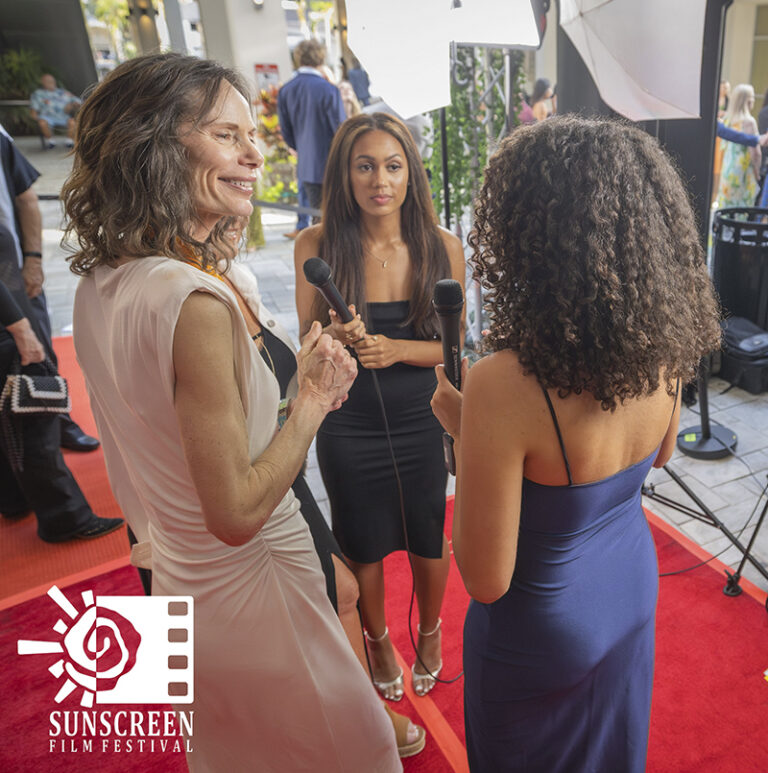
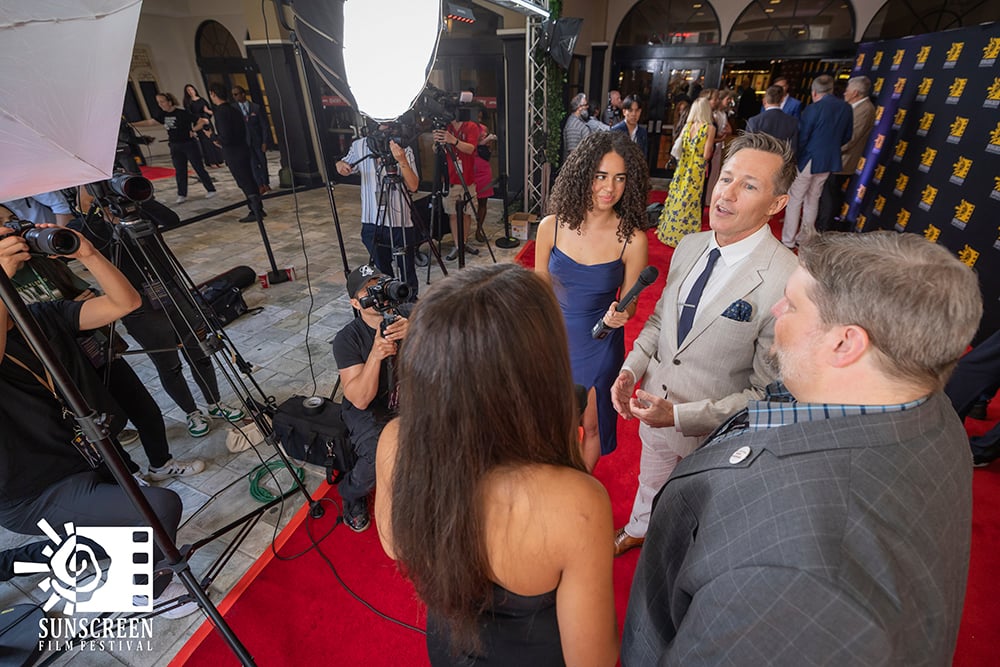
Sunscreen consistently ranks among the top 100 film festivals worldwide by filmmaker reviews, out of over 14,000 festivals. “Filmmakers regularly tell us Sunscreen is their favorite festival even after attending much larger events. We offer an intimate atmosphere while still delivering a top tier experience,” he says. “It’s that unique combination of a laid back, sunny environment paired with great films, strong networking, memorable parties, and outstanding educational workshops. There may be a red carpet, but no one is treated as more important than anyone else. Celebrities, filmmakers, and attendees all mix and mingle, creating a welcoming and genuinely fun atmosphere.”

St. Petersburg’s vibrant arts scene shapes the festival, while Sunscreen enhances the city’s cultural identity. Even with more than 7,000 attendees each year, Sunscreen remains committed to its filmmaker focused culture. “We’re very intentional about keeping the festival grounded and accessible. Even as attendance grows, we focus on organization, flow, and creating spaces where people can genuinely connect. Despite the size, the atmosphere remains friendly, down to earth, and interactive.”

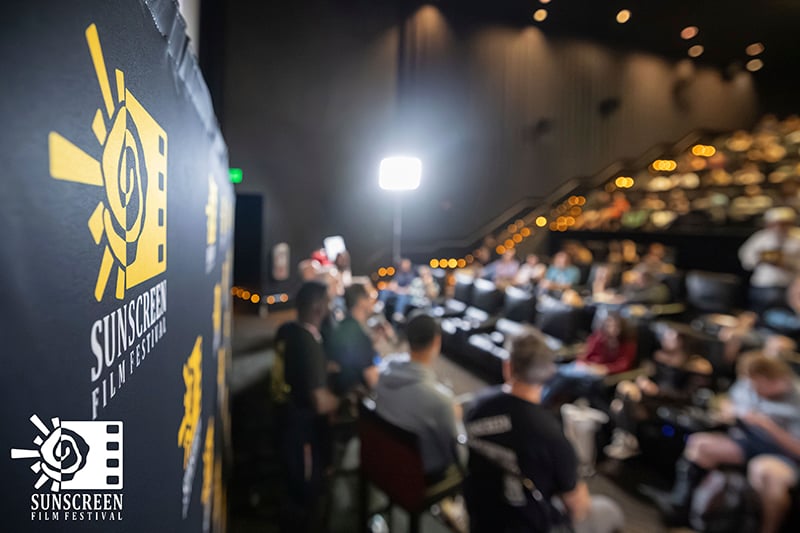
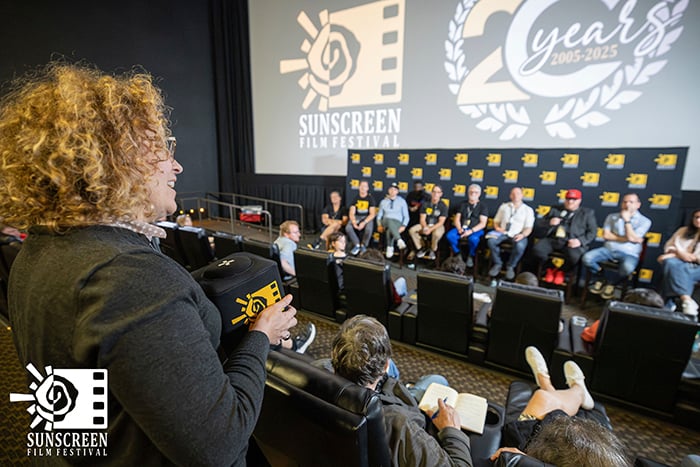
Education has always been central to Sunscreen’s mission. The festival is recognized for offering an exceptional range of educational programming, providing more workshops and learning opportunities than nearly any other festival in the country. “Sunscreen was created by filmmakers, for filmmakers. I’m still actively writing, producing, and directing projects, as are many people involved with the festival. When I started out, I had no idea where to begin, and I want to give back by sharing that knowledge. Education is at the heart of what we do.”

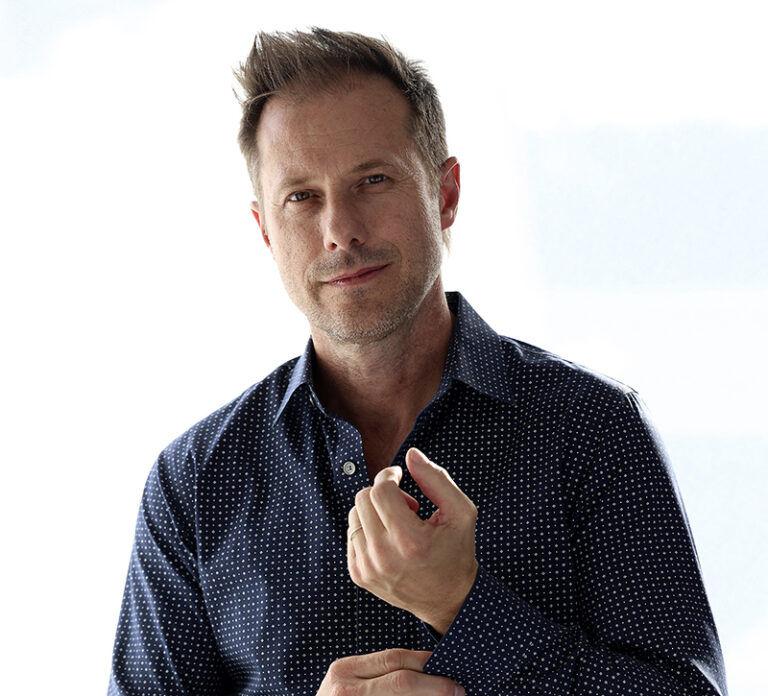
Tony
Tony Armer

That commitment continues in 2026 with strong core programming in cinematography, screenwriting, directing, producing, film finance, and distribution. “These are topics filmmakers want every year. We also introduce new and unique workshops, expand student focused programming, and create enhanced opportunities for emerging filmmakers.”

Armer has seen the industry shift in ways that continue to influence Sunscreen’s approach. “Independent filmmaking is always changing, and we adapt along with it, whether that’s offering workshops on vertical video or responding to how audiences discover films. Ultimately, filmmakers want their work seen, and we’re excited to continue providing a platform that helps make that happen.”

Sunscreen’s 2026 selections, announced March 6, are a mix of shorts, documentaries, and features that are both entertaining and thought-provoking. Major festival highlights include the Opening Night celebration, the Friday night Filmmaker Party, Karaoke night, and the Saturday Awards Ceremony.

Armer notes that film submissions often mirror current events and social issues, but he prioritizes variety to avoid programming too many similar themes.

One of Sunscreen’s signature categories, The CauseTainment Award, continues to evolve. “This is a newer category, and we’re still refining the process. We’re looking for films that tell powerful stories and make a genuine impact.”

The festival honors influential local film community members, remembering those lost and showing gratitude to key contributors.
Supporting young filmmakers remains equally important. “Through our educational programming and dedicated categories, we encourage student filmmakers to be fully engaged, not just networking, but screening their work alongside established filmmakers. That experience can be incredibly impactful early in a career.”

Armer expects the festival to keep adapting as the film industry changes but believes its core focus on bringing people together will remain strong. As Sunscreen prepares for year 21, Armer says, “When you combine films, education, networking, and celebration, it becomes something far more meaningful than just going to the movies, and that’s what Sunscreen will continue to be. I hope attendees leave feeling inspired that they saw great films, met great people, built meaningful connections, and had an unforgettable experience in St. Petersburg.” •

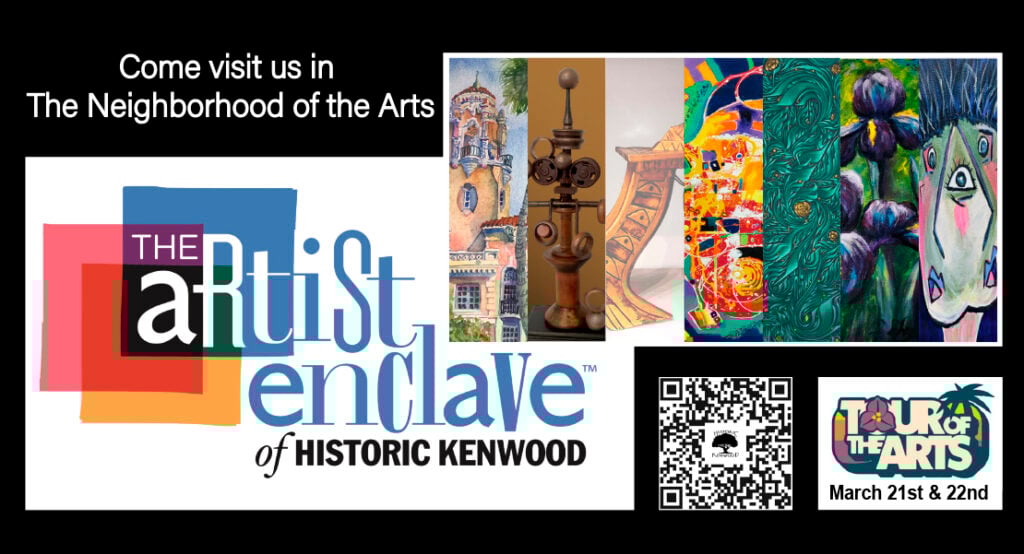
Annual Historic Kenwood Tour of the Arts

Over 30 Artists Featured

Saturday, March 21: 10 AM to 5 PM 
& Sunday March 22: 11AM to 5PM 
Tour begins at:
Seminole Park 2900 3rd Avenue North.  
For more information visit:
https://kenwoodartistenclave.org

The Artist Enclave of Historic Kenwood (AEHK) was created in 2014, when City Council approved Historic Kenwood to become an Artist Enclave Overlay District (AEOD) 

An Artist is defined by the Enclave as an individual who practices and/or who creates a product in one of the following categories: Fine Art, Craft Art, Design, Photography, Filmmaking, Musical, Literary or Performing Art.

Leah van Heusden

The Enclave has a number of purposes. It allows artists to practice their art within an expanded space. Under typical zoning rules artist can only utilize a small space within their home to produce art. This flexibility allows artist to work in larger spaces, like a garage or garage apartment or in some cases to build a studio accessory structure.

Scott Solary
Scott Solary

The overlay district allows limited sales of ones art from their home, or to hold limited small exhibits. The overlay allows a musician to teach piano or voice lessons.

This designation also allows the neighborhood to hold events such as the Artist Studio Tours, this signature event, is an annual 2-day artist studio tour on the 3rd weekend in March. This event showcases the neighborhood bringing over 500 curious art enthusiasts.

These things would not be allowed in most zoning districts. Therefore the overlay regulations are in place to maintain a mix of small-scale home businesses that support the visual, performing and cultural arts, while maintaining the residential character of the Historic Kenwood neighborhood.

The Artist Enclave holds monthly meetings which allows emerging artist to mingle with more seasoned artists to share knowledge and support emerging artist.

Finally it allows Historic Kenwood to market the neighborhood as a Neighborhood that supports and encourages artists. This has lead to a number of artists moving to the neighborhood which adds creativity and culture.

The AEHK includes artists working in a broad range of art disciplines, creating works of the highest caliber and encouraging emerging artists to explore, develop, showcase, and market their creative voices. The AEHK membership organization functions under the umbrella of the Historic Kenwood Neighborhood Association (HKNA) 501(c)(3) nonprofit organization. If you Identify as an artist please join the AEHK and share your expertise. •

REAL MAGIC – The Zubricks

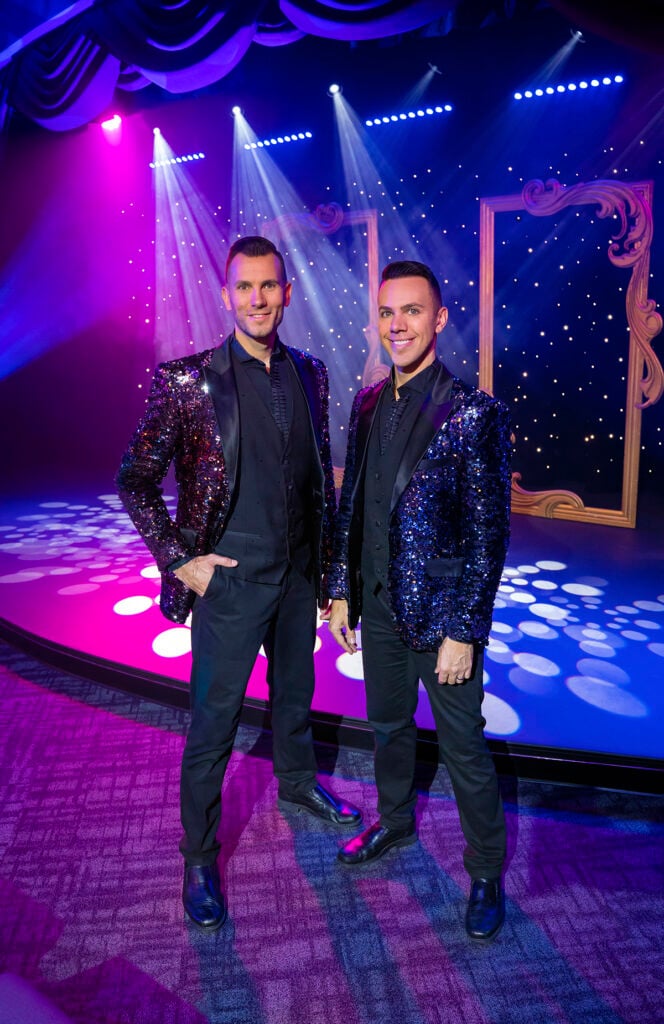
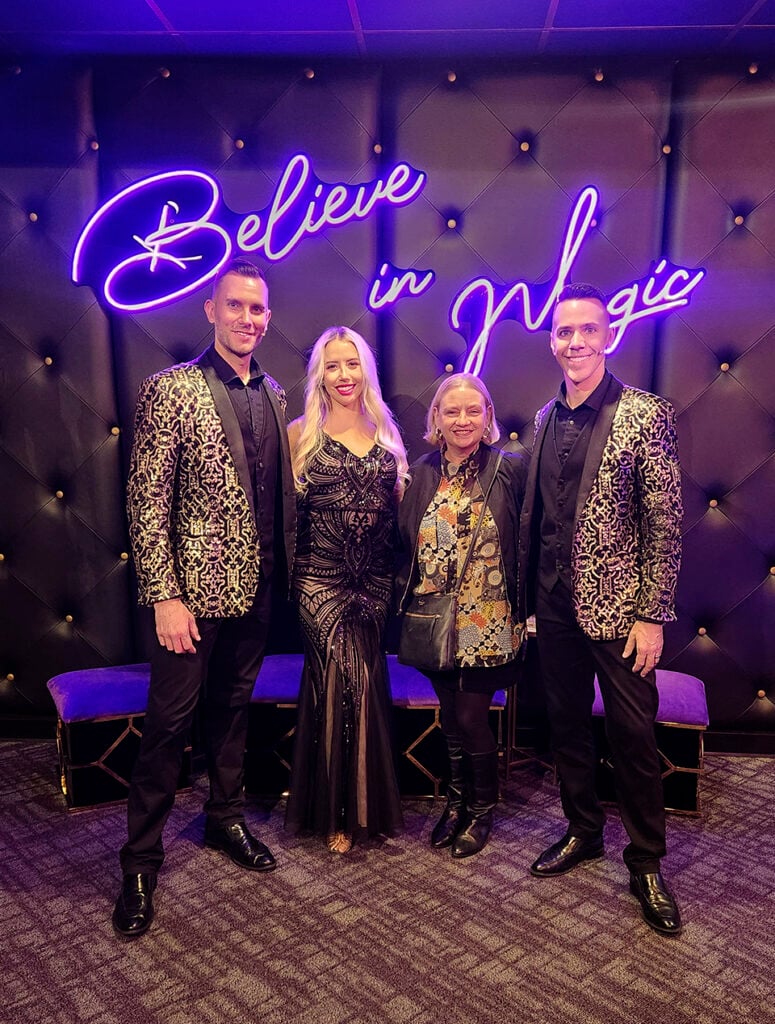
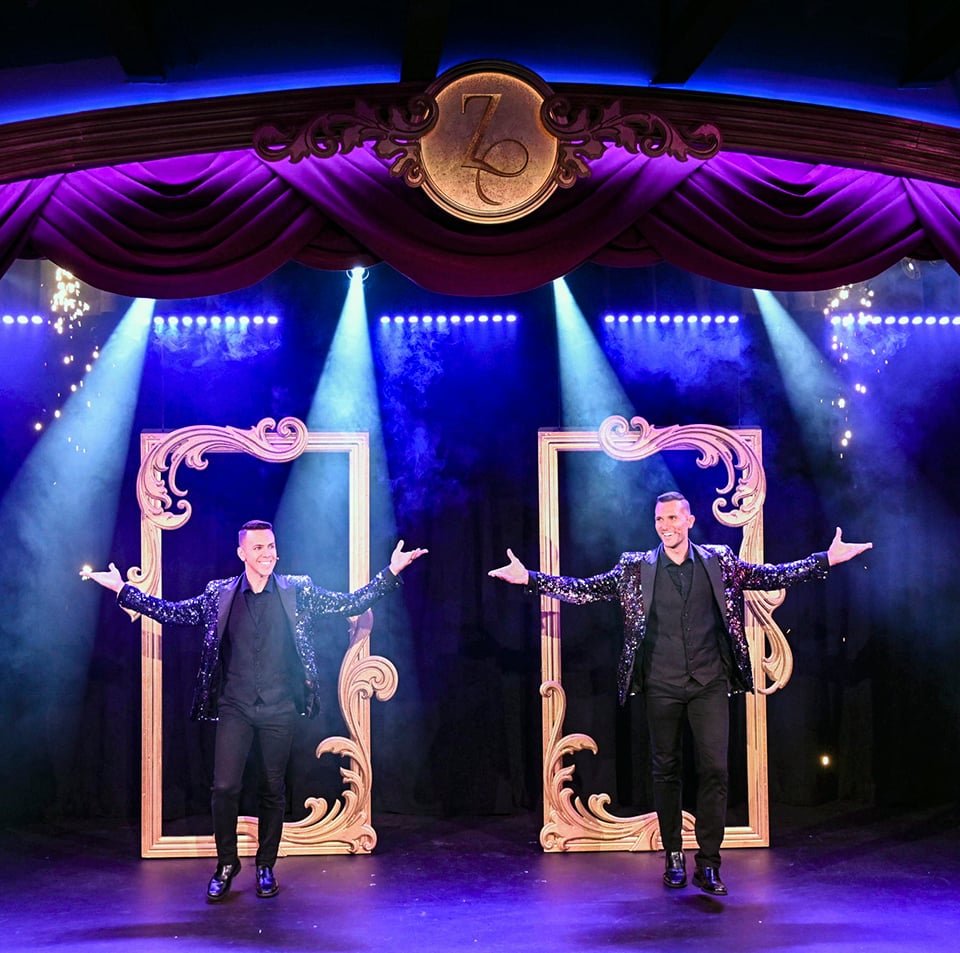
Thirty seconds into the show at the packed Zubrick Magic Theatre in St. Petersburg, it was clear we were about to experience something special.

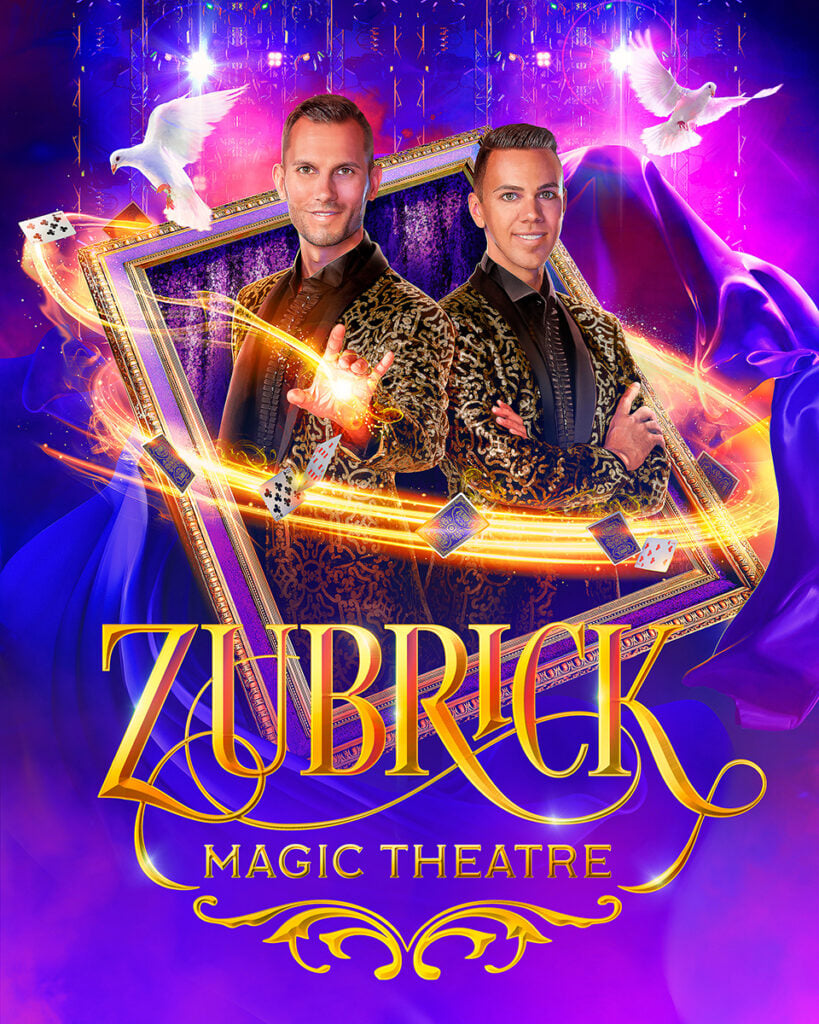
Magicians Ryan and Chris Zubrick, who are stage partners and spouses, immediately charmed the audience with their warm spirit, quick-witted banter and mind-boggling illusions.

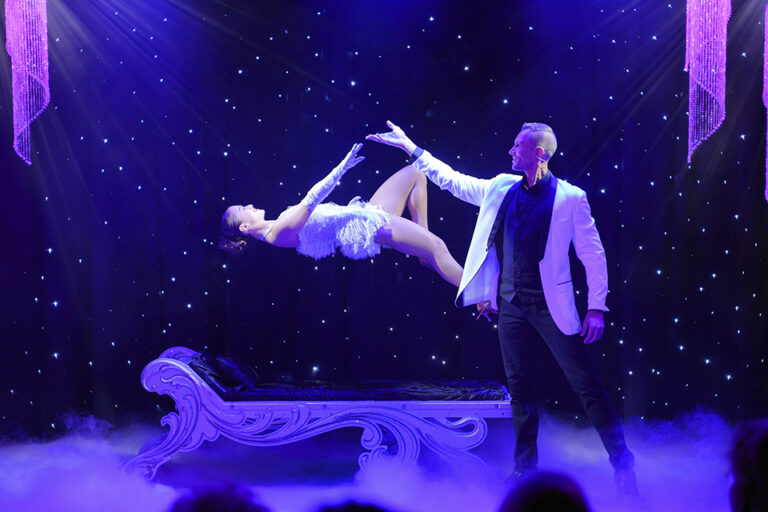
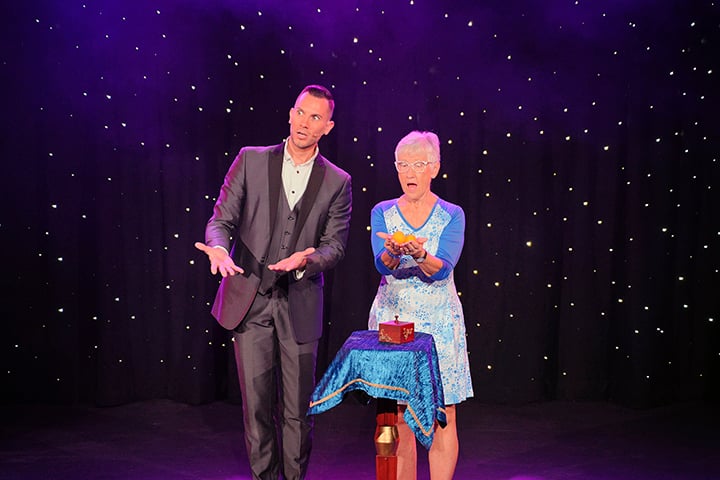
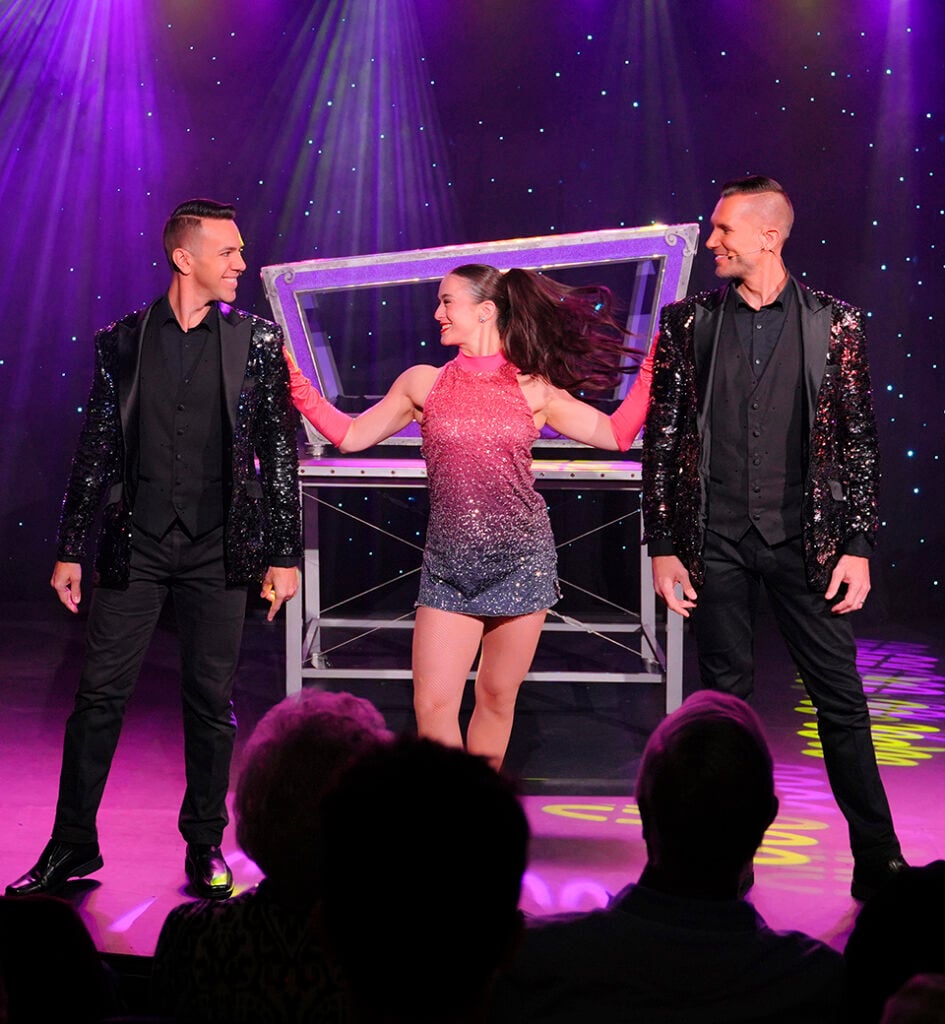
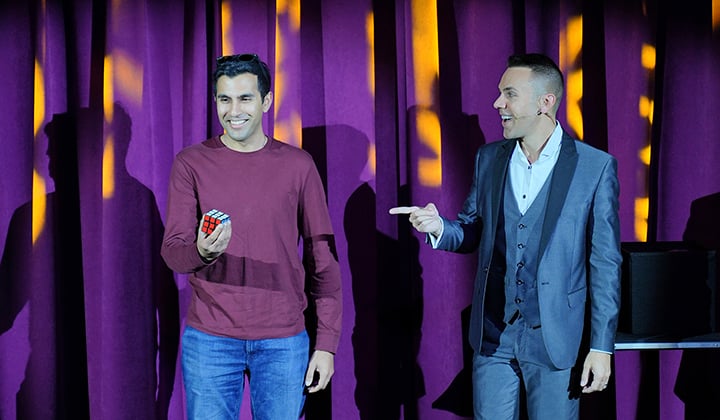
For the next 70 minutes, Chris and Ryan dazzled with a variety of tricks, including sleight of hand, a Rubik’s cube bit, an escape trick a la Harry Houdini, and lots of audience interaction and participation. They put their assistant, Brittany, in a box and sawed her into multiple pieces. In the finale, they made her levitate.

The Zubricks both hail from Michigan, and had similar experiences of discovering a passion for magic from a young age. As it turns out, Michigan is a mecca for magic, with the small town of Colon designation as “The Magic Capital of the World,” according to the American Museum of Magic’s website.

Both Chris and Ryan performed individually, but didn’t meet until a fateful event in 2005, when they were double booked for the same event. They made the best of the situation and performed together, and found that they had great on-stage chemistry.
“The result was remarkably impressive,” Chris said. “The audience really appreciated the kind of yin and yang performance that Ryan and I did, you know, the comedy and the sleight of hand. We had a lot of similar interests performing on stage. That’s really how it started.”

By 2007, after performing together around the Midwest, they got the opportunity to co-produce and headline their own show for a dinner theater in Saipan, a U.S. commonwealth in the Western Pacific that is the capital of the Mariana Islands.
What was meant to be a two year contract turned into an eight-year stint, followed by a move to Guam to work for the theater’s sister company.

They got married in 2013 and in 2017, welcomed their son, Oliver. The Zubricks stayed in Guam until the COVID-19 pandemic hit in 2020. They had to pack everything up and move back to the states. Unsure of where to go next, they discovered St. Petersburg on a trip to Florida.

“After we left Guam, we were looking for our forever home,” Ryan said. We knew we wanted to open up a theater somewhere …We just kind of fell in love with (the city). We saw all the murals, saw how artsy it was, did some more research on it, and just really liked the vibe here, and just kind of took a chance and moved here and really checked all of our boxes.”

They found the building on First Avenue North that had been a former AAA call center. In a first for the couple, they had the opportunity to design their own theater.

Zubrick Magic Theatre

While the space is much smaller than they were used to at the dinner theater, at 100 seats it has the advantage of creating an intimate setting so they have a more personal connection with the audience, Ryan said. They did a lot of the design work and hung the lights and assembled the seats, making it a true labor of love.

They worried that building a theater during Covid was a gamble, Chris said, because they were unsure if anyone would want to come see live entertainment.

“Thankfully, the community has come out and supported us at a time when I think they needed magic the most,” Chris said.
The theater officially opened on July 29, 2021. Now five years later, crowds continue to pack the seats. Chris pointed out that the show is designed to entertain adults, while still being family friendly. He emphasized that it’s a “sophisticated Las Vegas-style show,” so there won’t be any hokey tricks.

Zubrick Magic Theatre

The Zubricks design every aspect of the show, from the tricks and choreography to costumes and lighting. They try to incorporate new bits every few months, and completely transform the show during the holiday season, which they pointed out is already a magical time.
They sell magic sets at the theater for those who become inspired to try their own hands at magic. After all, they said, sets like those are what got them started.

“Those small magic tricks that fool your friends can make a big difference,” Ryan said. •

Zubrick Magic Theatre. 1211 First Ave. N., St. Petersburg. There is parking in the alley behind the theater and an accessible back door. $50-$90.1-866-982-7425 (ZUBRICK). zubrickmagic.com.
Zubrick Magic Theatre