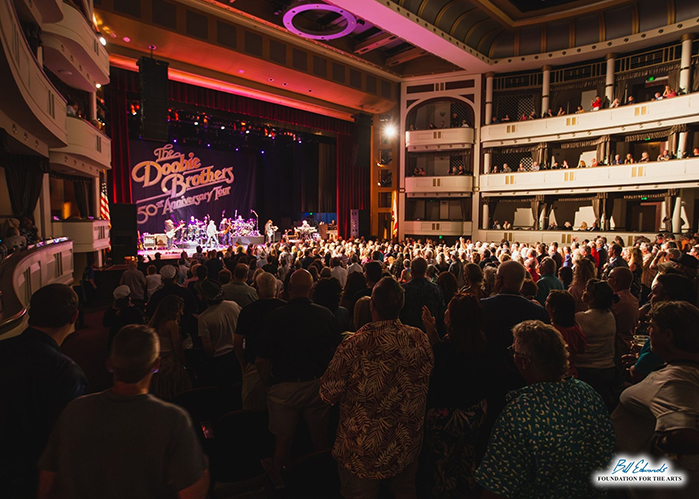
Bill Edwards sat at his desk in his office in the Mahaffey Theater, surrounded by years of memories, including a photo of him with legendary singer Tony Bennett. On another wall, below his display of army medals, hangs a painting a child made at one of the Books, Art and Music festivals at the theater.
Edwards company Big 3 Entertainment has managed the St. Petersburg theater for 15 years. But that agreement ended on May 10, Edwards said, because when he tried to negotiate a new contract with the city, they couldn’t come to an agreement.
“It’s bittersweet,” Edwards said. “It’s 15 years of someone’s life, (there are) a lot of memories. Most are good.”
The specifics of the negotiations were revealed during a city council meeting in November, 2025 when city development administration and finance managing director Beth Herendeen made a presentation.
It concluded with a document that read,“Based on Big 3’s proposal to increase the City’s contribution by more than 100% from the current agreement, and their rejection of the City’s best responsible offer increasing the City’s contribution of 31.8%, Administration will move forward with issuing an RFP.”
The City issued a request for proposals to take over management and only received one bid. It was from a group called the St. Petersburg Arts Partners, led by Joe Hamilton of St. Pete Catalyst, Vinik Sports Group, venue development and management firm Oak View Group and Live Nation.
But during the evaluation meeting in March, 2026, the evaluation committee found that the proposal lacked clarity, particularly around defining the roles of each partner. The committee decided to send the group a list of clarifications.
The City will run the theater until it finds a new management company.
Big 3 Entertainment’s contract had originally extended through September. But now Edwards’ focus is on the future of the Bill Edwards Foundation for the Arts, the non-profit that raised funds for the Mahaffey Theater.
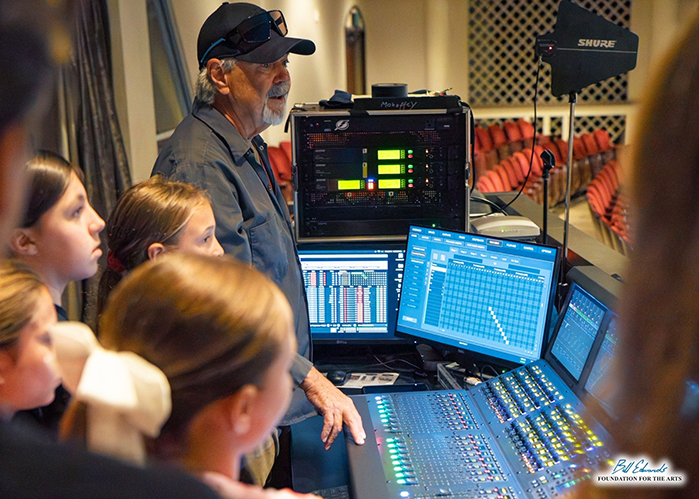
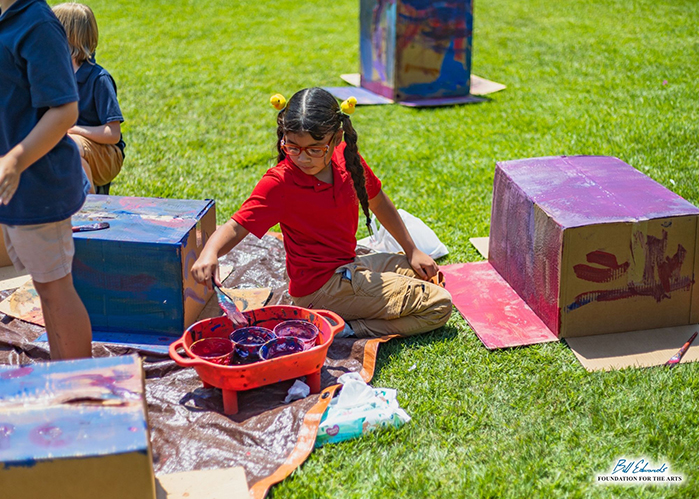
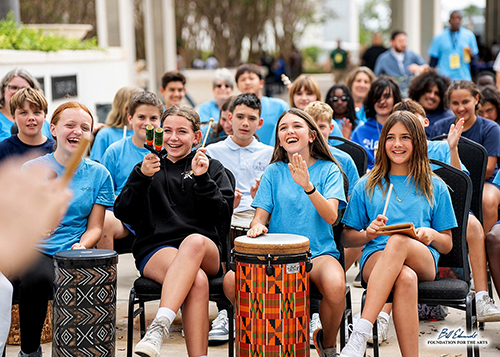
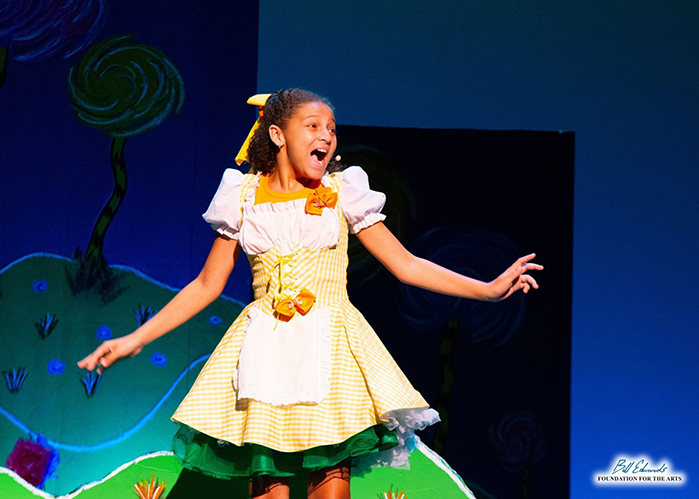
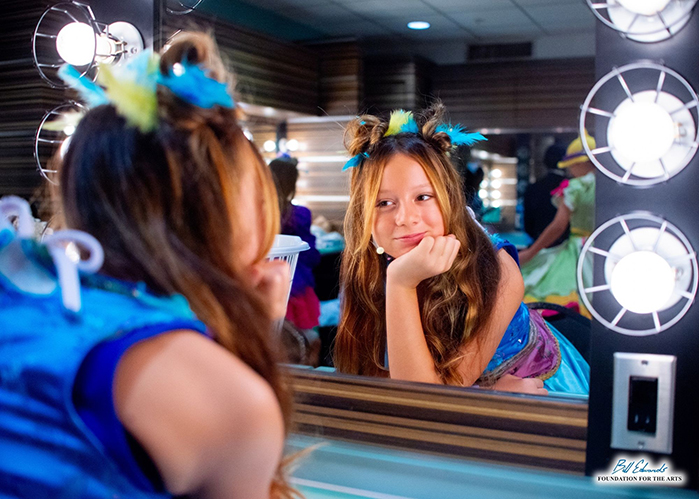
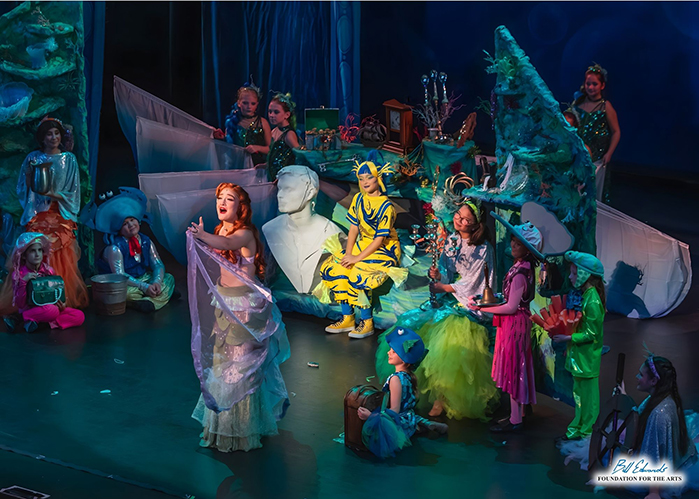
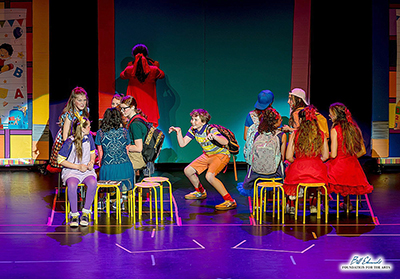
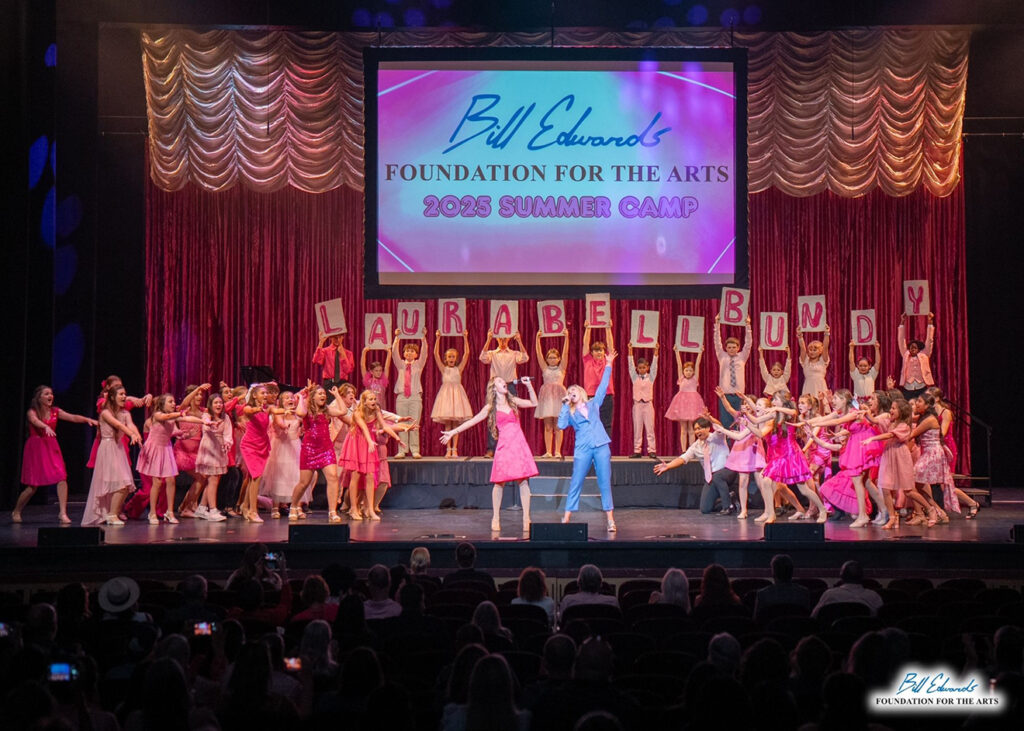
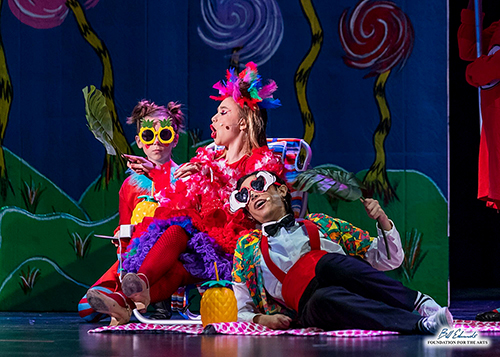
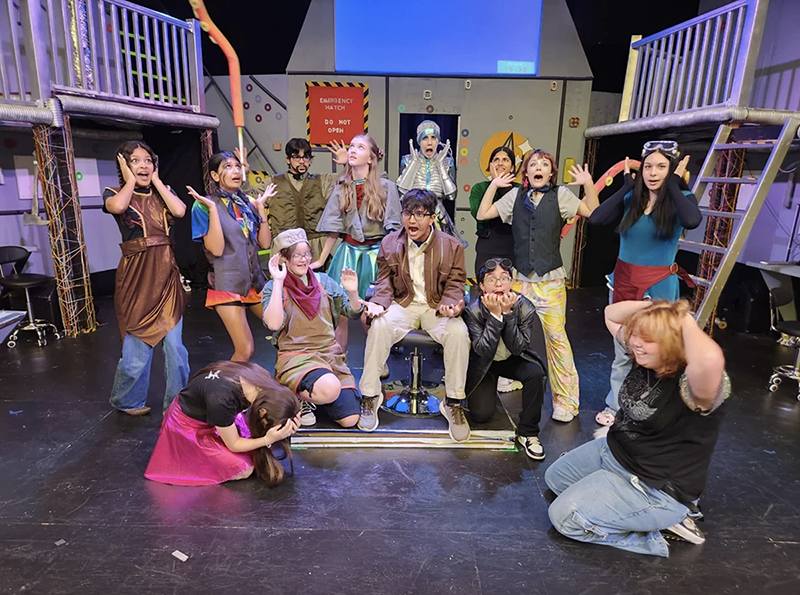
When Big 3 got the contract for the Mahaffey in 2011, the foundation took over the city’s Class Acts program, an educational, entertainment field trip for schoolkids grades K-12. According to the foundation, it serves more than 25,000 students annually through live performances, summer camps and BAMFests (Books, Art and Music). It presents 10-12 shows and 4-6 BAMFests in a school year.
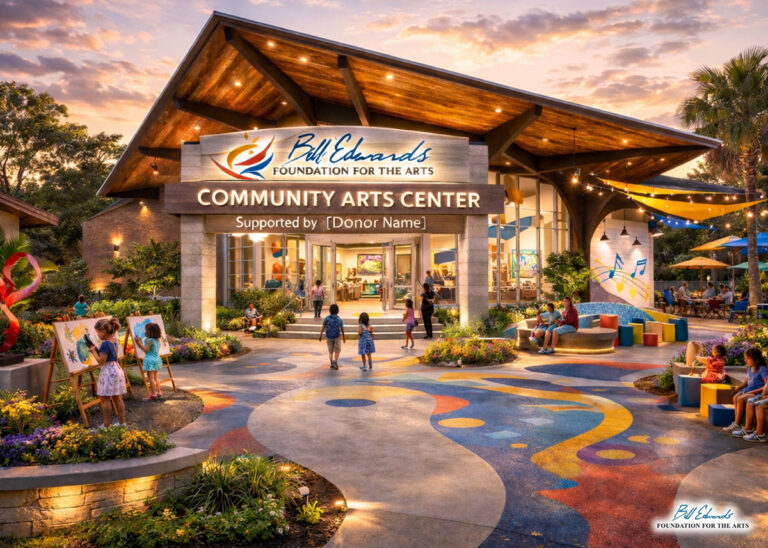
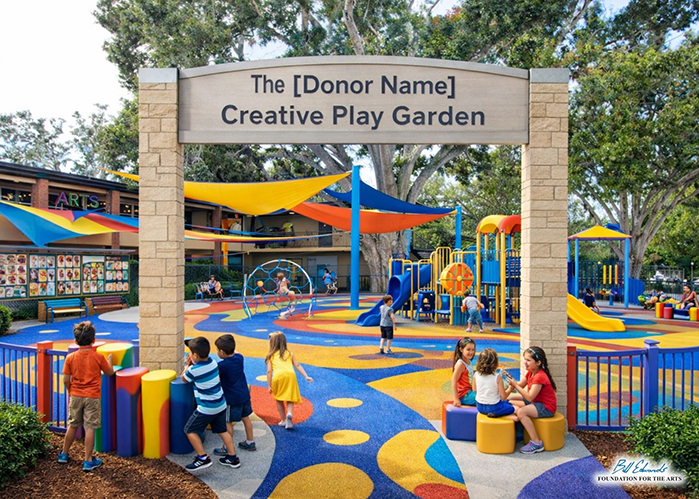
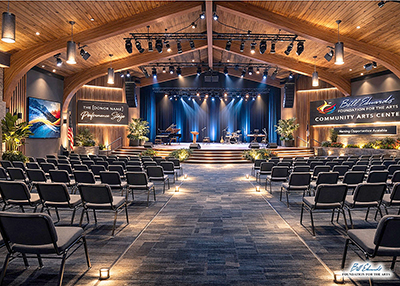
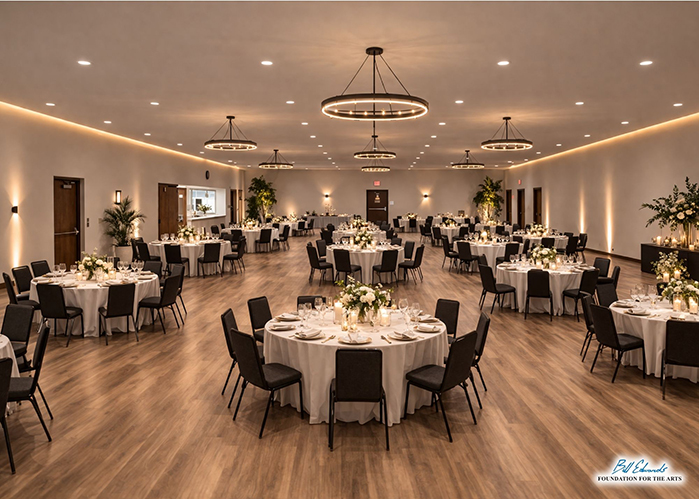
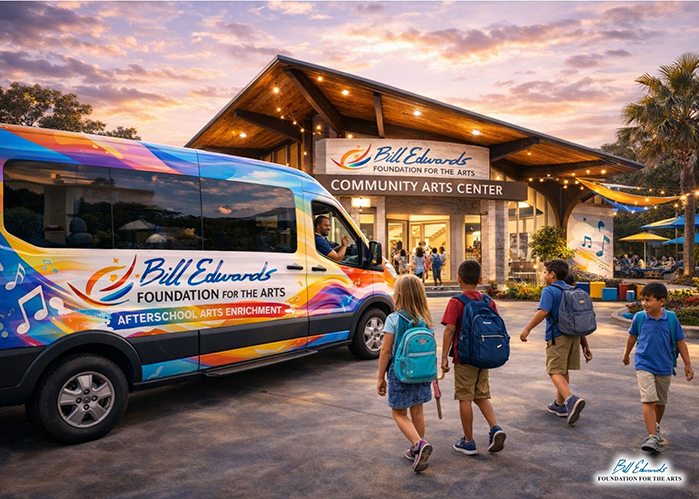
In order to keep Class Acts going, Edwards has launched the 10 For Tomorrow $10 million campaign to build a community arts center. A former church in St. Petersburg has been identified as the potential new headquarters, which Edwards said they were “tying down.” Money raised will help transform the building into a professional arts facility.
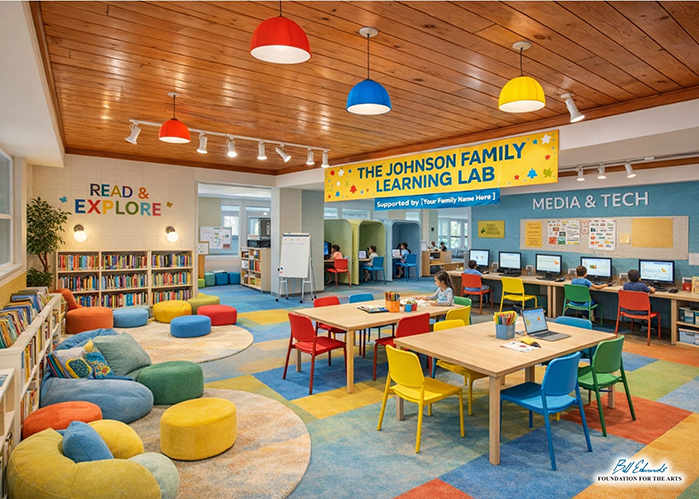
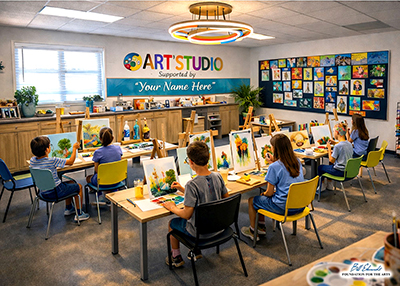
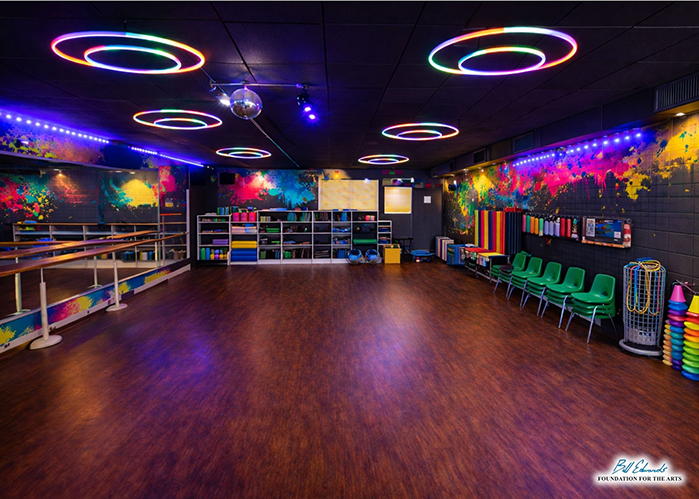
The center would be a performing arts and education hub, providing afterschool arts classes, weekend conservatory training, summer camps with youth productions, community performances and events, field trips and BAMFests. Academic tutoring and transportation from local schools would also be provided.
Not only do the children learn the skills to perform onstage and behind the scenes, Edwards said they learn valuable life skills like reading and practicing lines, and following directions. And during the time they’re there, they don’t have their devices, meaning less screen time.
“It makes them better decision makers,” he said.
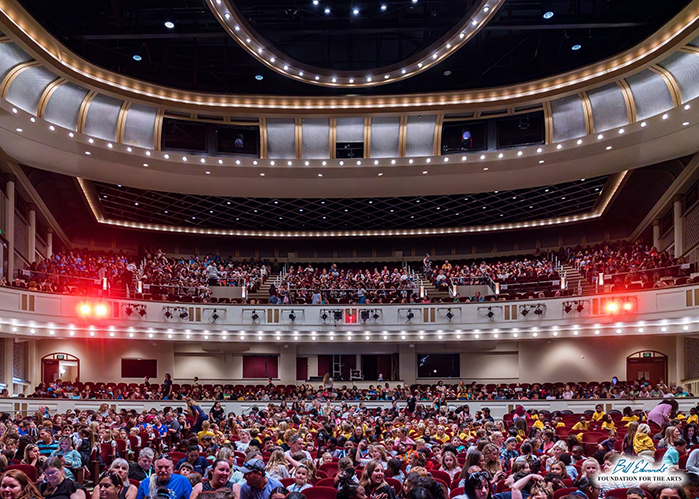
Edwards said the Class Acts performances will continue to happen at the Mahaffey Theater. Those regularly pack the theater with thousands of excited kids.
There have been many treasured moments at the Mahaffey since Edwards has run it. The most memorable concert for him was when Christina Aguilera brought her stadium-sized show to the mid-sized theater. He transformed a dead space in the theater into a restaurant, and through a collaboration with an arts organization, installed a giant inflatable moon in its window.
He seems most proud of the foundation’s work with Class Acts. When he knew he was losing the theater, Edwards said he had two choices: Shutting down the foundation and giving what’s left to another children’s organization or raising the money so the programs don’t get lost. At 81 years old, he wants it to be his legacy.
“I just want to get it where it’s supposed to be and where it can sustain itself,” Edwards said. •
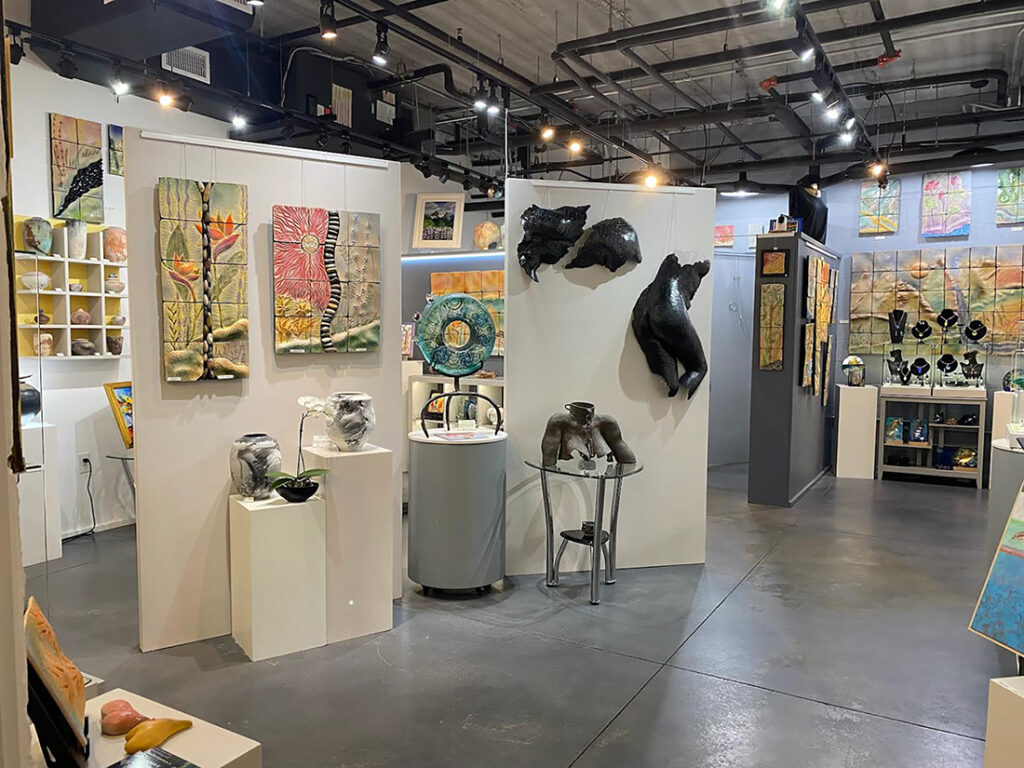
Over seven years, Brenda McMahon Gallery has established itself as a premier destination for art lovers and artists across Florida and the Southeast. The gallery has garnered praise from the community, artists, and the media, significantly contributing to the enhancement of Gulfport’s vibrant creative scene.
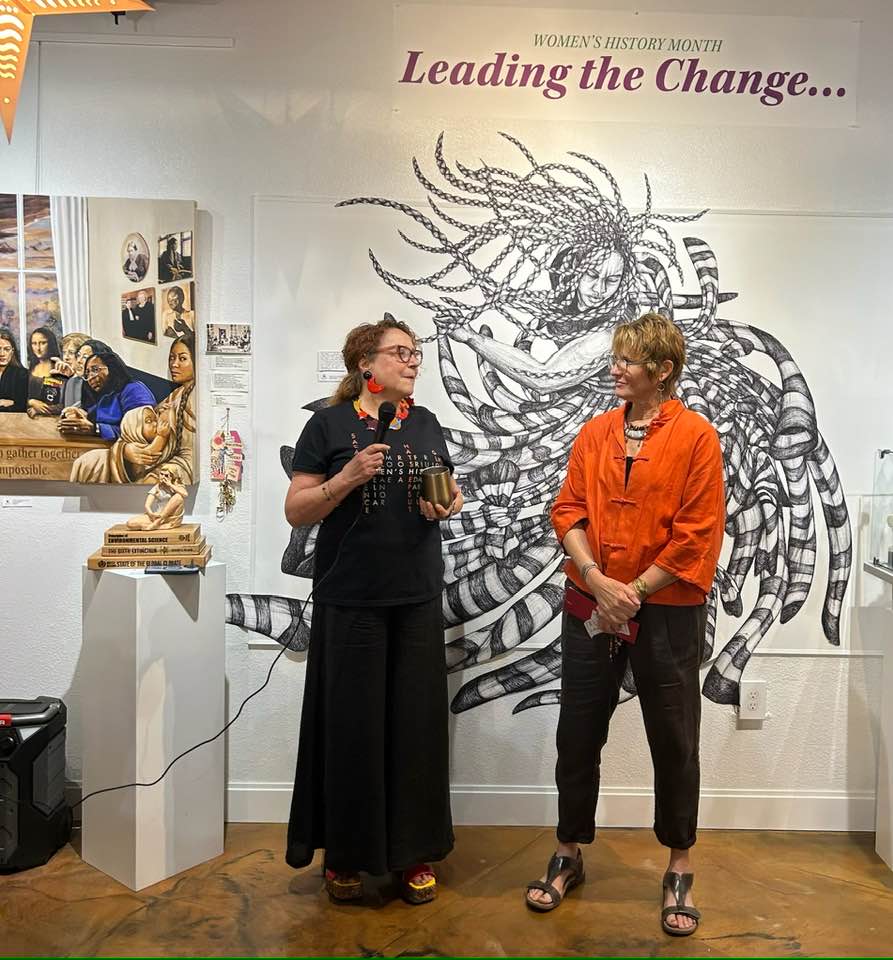
Recently, the gallery expanded its roster of fine artists and hosted its first two themed and juried art shows: “We the People” last July 4th and “Leading the Change,” which took place in honor of Women’s History Month in March. Both events showcased some of Florida’s most gifted visual artists, alongside prominent poets and prose writers, as the gallery staged its first two spoken word performances in conjunction with the exhibits.
“The artistic talent that has responded to our themed events is both eye-opening and heart-opening, and we’ve been honored to bring the creative community together at these two timely events,” said gallerist Brenda McMahon. “The outpouring of creativity and passion from artists and poets has been an affirmation to us at the gallery and an inspiration to the community.”
In addition to her duties as gallerist and multi-award-winning ceramic artist, McMahon hosts Art & Inspiration, a podcast on Radio St. Pete that welcomes leading creatives from the area. The show has become a platform for McMahon to showcase new and emerging artists and to keep her fingers on the pulse of the Tampa region’s blossoming arts scene.
“I am excited for each show I record,” says McMahon. “The region’s abundant talent, its numerous outstanding art shows and festivals, and the quality of people I get to record conversations with are creatively stimulating.”
On Friday, May 1, Brenda McMahon Gallery celebrated its seven-year anniversary at the heart of Gulfport’s artistic community. Many of the gallery’s 20 artists will join McMahon to connect with art enthusiasts and visitors, whose ongoing support has been essential to the gallery’s success. Live music will be provided by The Podheads, a regional favorite featuring one of the gallery’s jewelers, Berkeley Grimball, who will perform on an instrument he invented called the podharp. Each band member contributes a unique musical style to the ensemble.
Says McMahon, “We are a forward-thinking group at the gallery, and it’s wonderful to take an evening to reflect and share our enthusiasm with our art-loving community, and more importantly, to thank them! Each day we open our doors to new artists and community members with innovative ideas and a shared commitment to using art as a vehicle for social change, and we look forward to more great featured artists and themed shows in the years to come.”
For more information, visit BrendaMcMahonGallery.com or follow the gallery on social media @BrendaMcMahonGallery. The gallery is located at 2901 Beach Boulevard S. and can be reached by phone at (727) 454-0453 or by email at BrendaMcMahonGallery@gmail.com. •
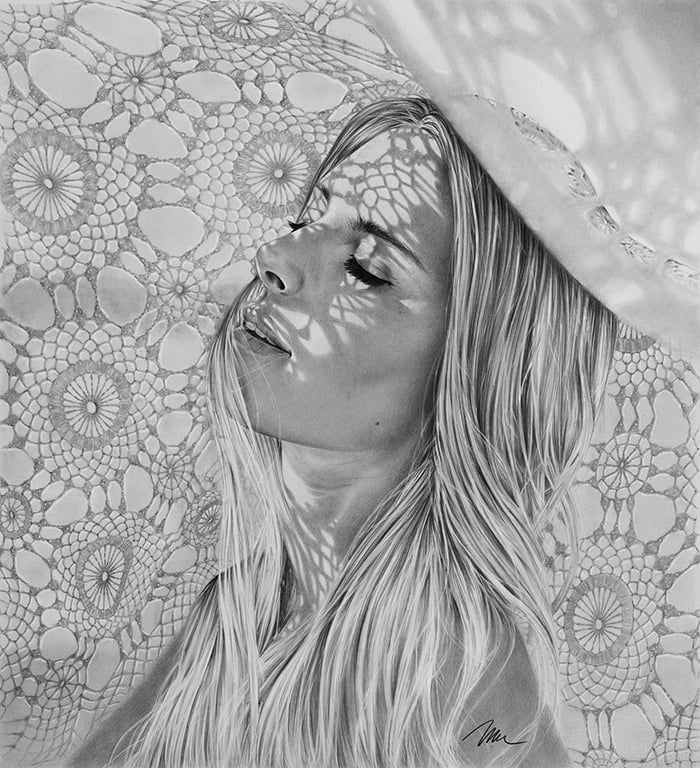
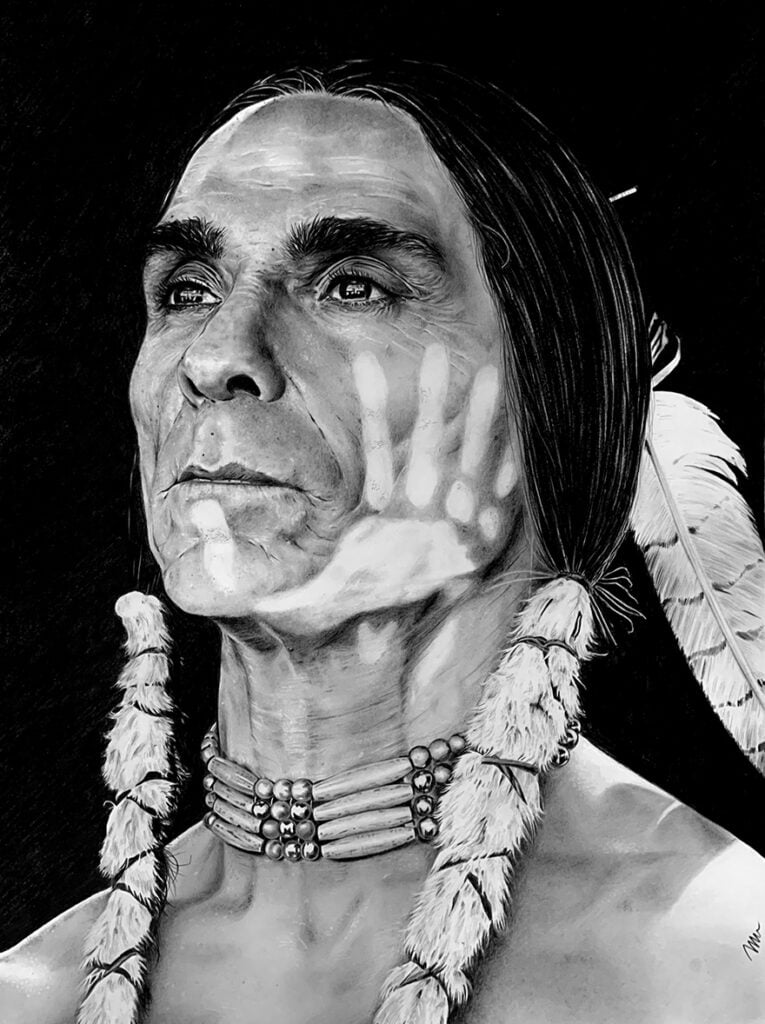
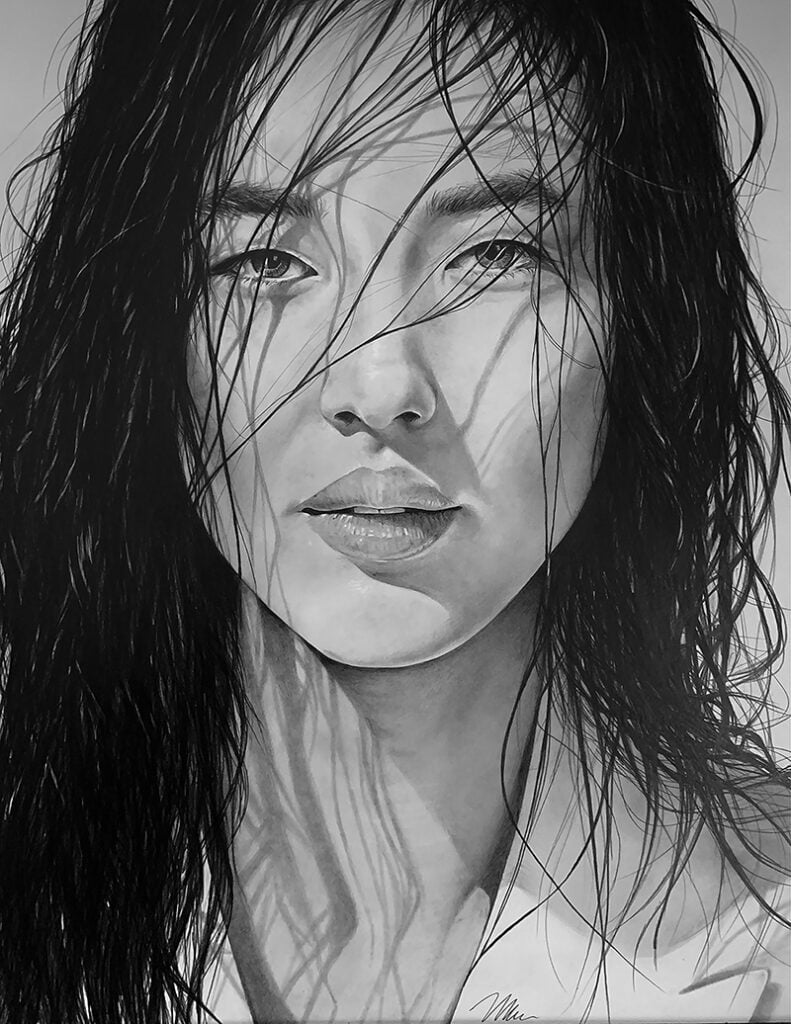
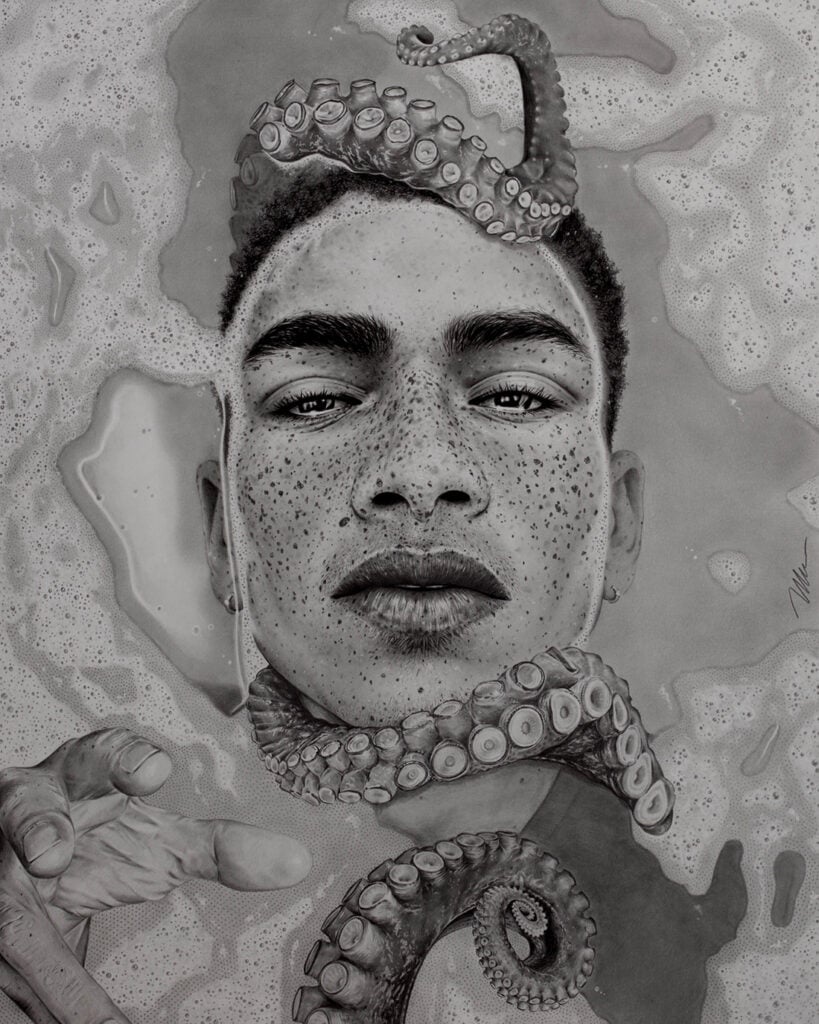
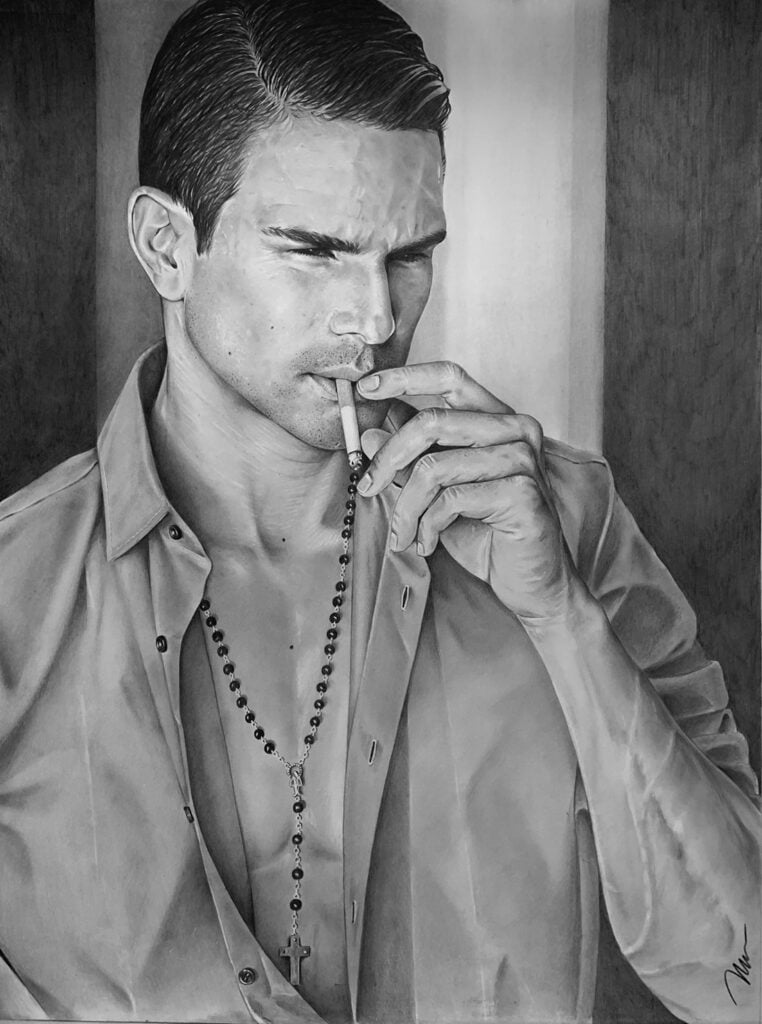
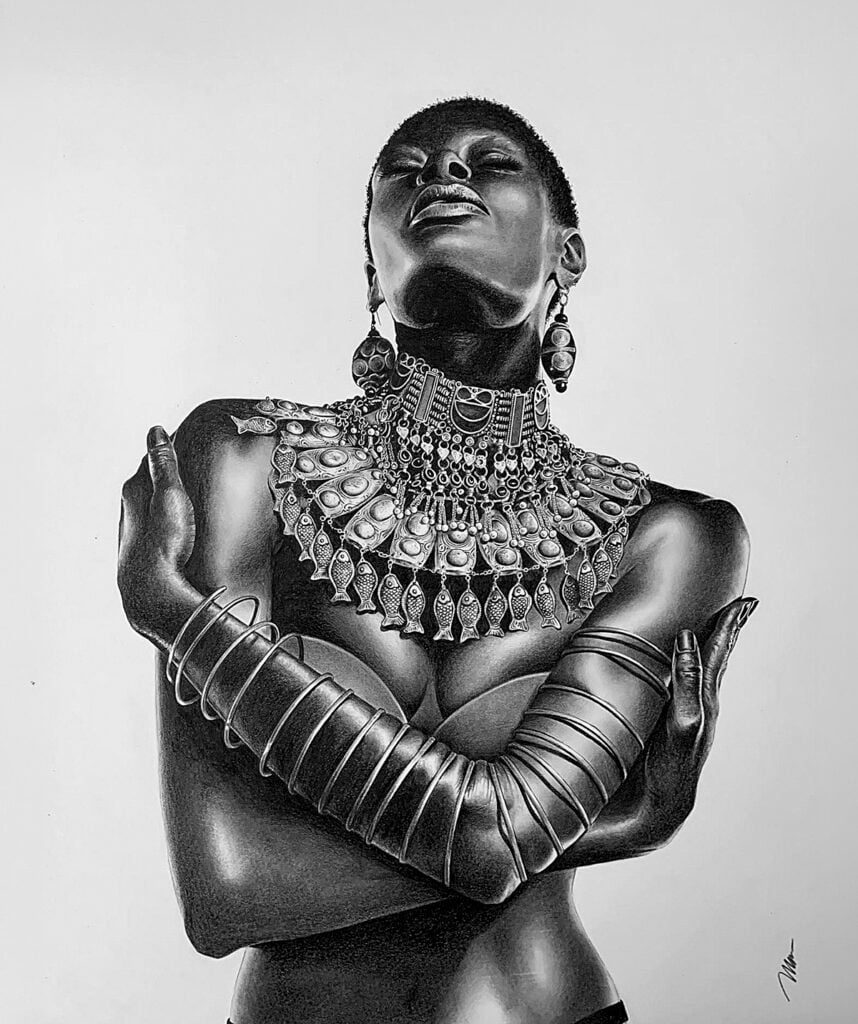
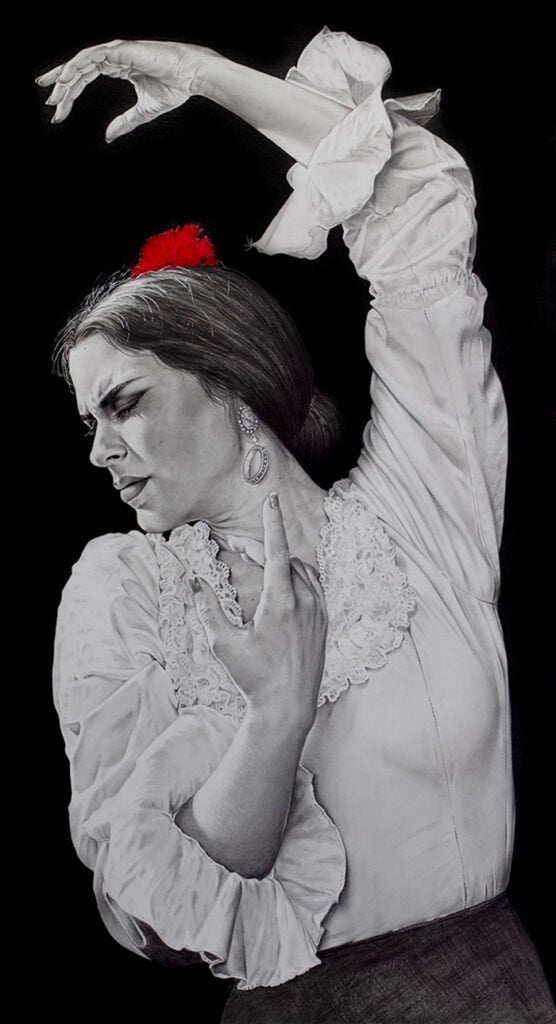
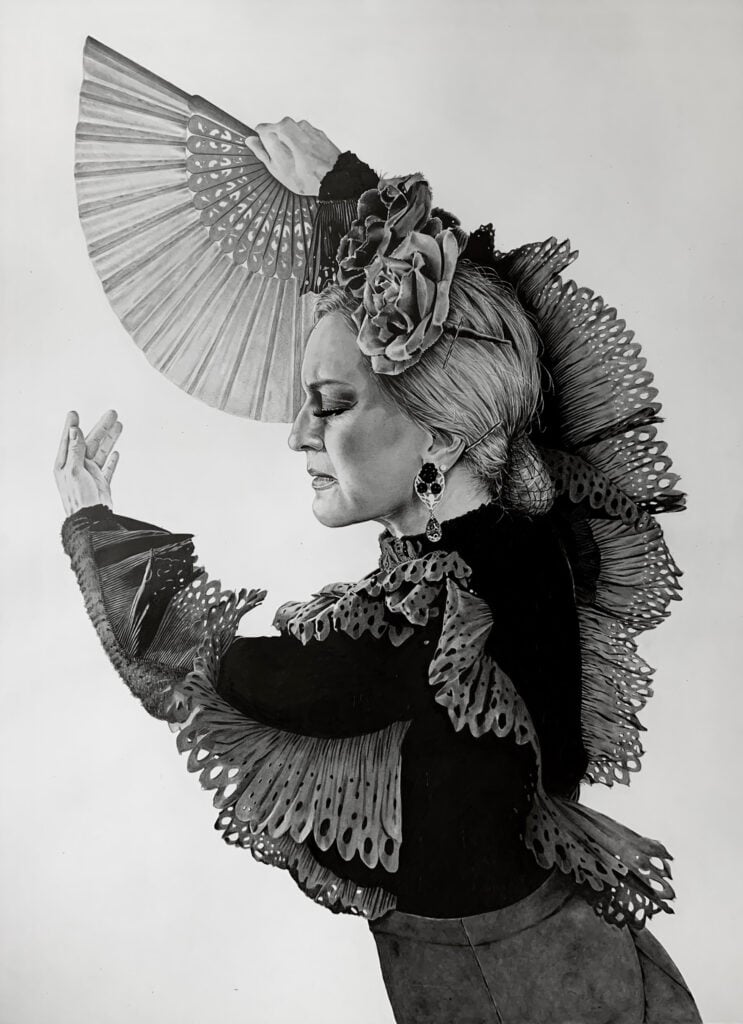
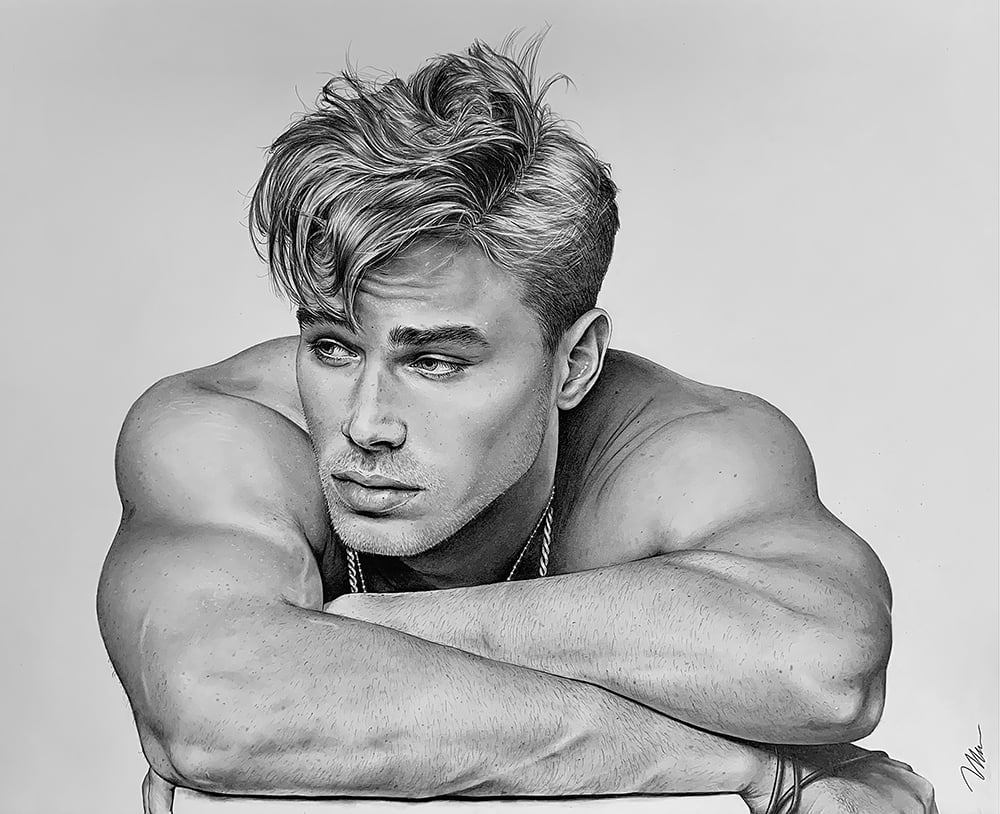
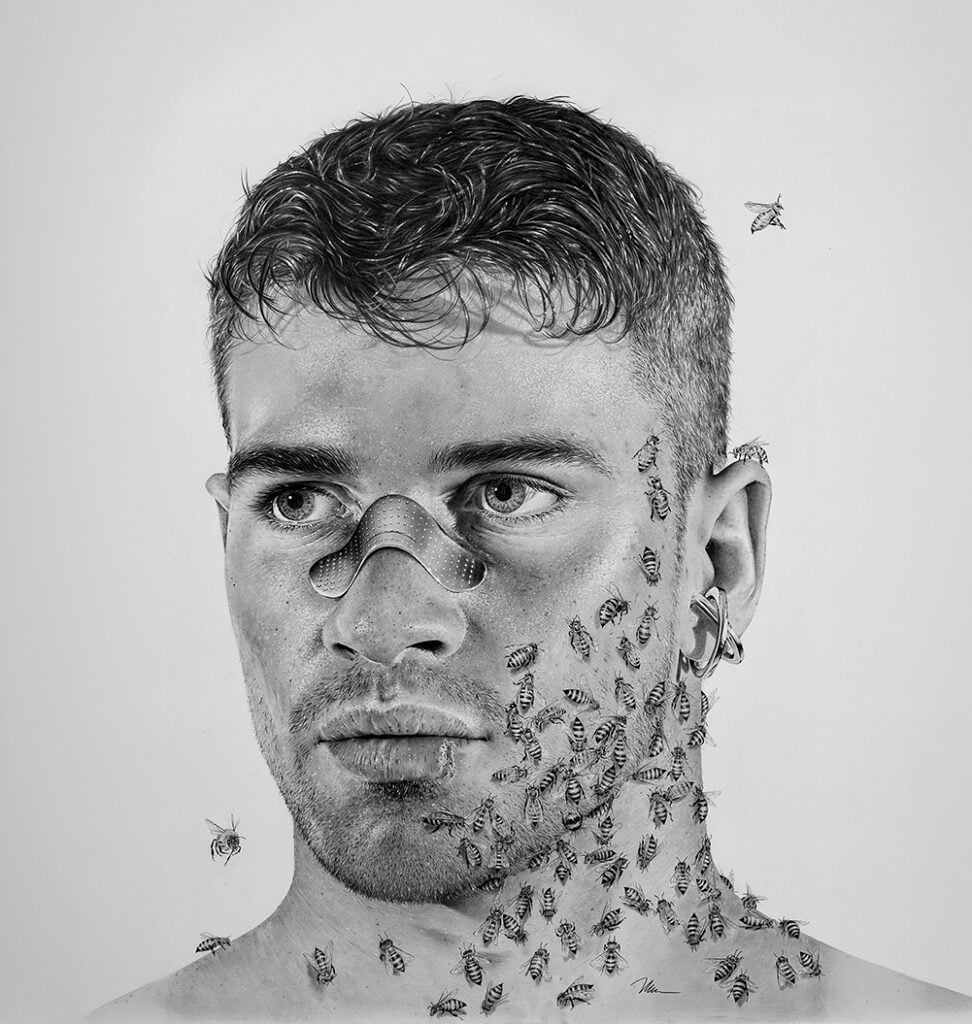
In an era dominated by digital images and instant photography, artist Marc Brechwald proves that a simple graphite pencil can still stop viewers in their tracks.
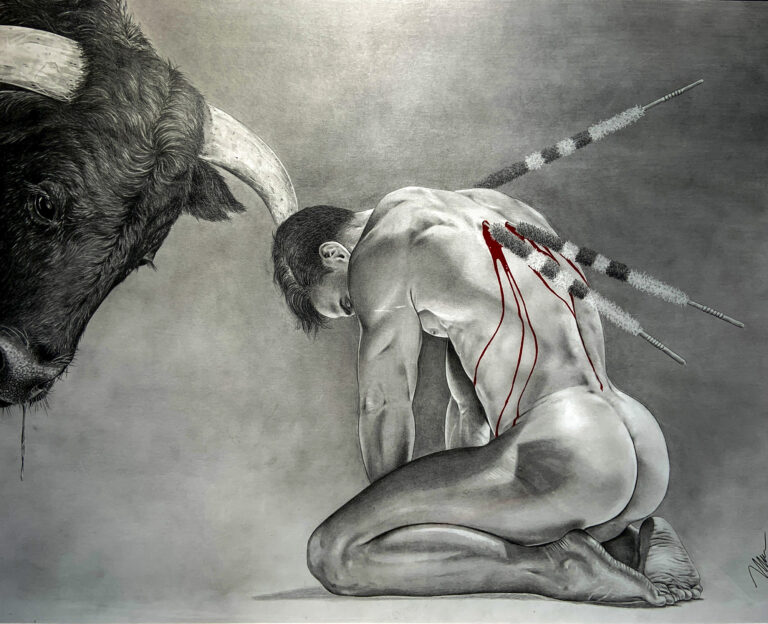
At first glance, Brechwald’s work often looks like black-and-white photography. The detail is striking, every wrinkle, reflection, and subtle shadow captured with precision. But lean closer and the truth becomes clear: every line, every texture, every highlight has been drawn by hand.
Feels Like Summer
For Brechwald, this slow and deliberate process is exactly the point.
Brechwald is a figurative artist who focuses almost entirely on people. Faces, hands, posture, and expression are the subjects that drive his work. He is less interested in dramatic scenes than in the quiet individuality of the human figure.
“I’m fascinated by people,” he has said in interviews. “Every face tells a story.”
His drawings often feature individuals from a wide range of backgrounds, cultures, and identities. By focusing on the details that make each person unique, Brechwald hopes to capture something deeper than likeness alone. His goal is to convey personality, sometimes even a sense of inner life.
It’s a subtle form of storytelling. A slight tilt of the head or a reflective gaze can suggest an entire story.
Although Brechwald has drawn for much of his life, becoming a full-time artist came later. Originally from the Midwest, he eventually settled in the Tampa Bay area, where he has lived for almost three decades.
Like many artists, Brechwald balanced creative work with other professional responsibilities for years. But the turning point came during the pandemic, when many people reevaluated their priorities. Brechwald decided to commit fully to his art.
What had once been a passion became a profession.
The decision paid off. Since dedicating himself to drawing full time, his work has gained increasing recognition both locally and internationally. Brechwald works almost exclusively in graphite pencil. At first glance, the medium may seem simple, something many people associate with basic sketching or school assignments. In Brechwald’s hands, however, graphite becomes an incredibly sophisticated tool.
Creating one of his large-scale drawings can take anywhere from 20 to 100+ hours.
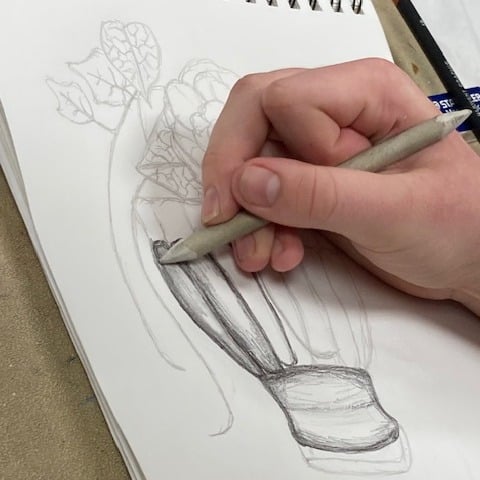
The process begins with careful observation. Brechwald studies reference images closely, mapping out proportions before slowly building layers of tone. Different grades of pencil create subtle variations in darkness, while erasers are used just as strategically as the graphite itself to create highlights.
The result is a remarkable illusion of depth and texture. Skin appears soft and luminous. Fabric folds naturally. Light glimmers in the eyes of a portrait subject. Viewers often assume they are looking at a photograph until they notice the faint marks of the artist’s hand.
For Brechwald, the most important element of any portrait is the eyes.
“The eyes are everything,” he has explained. “If you get the eyes right, the drawing comes alive.”
He often begins his portraits there, establishing the emotional center of the piece before building outward to the rest of the face and body. It’s a technique that reflects his belief that art should capture more than just physical features.
When viewers stand in front of one of his drawings, Brechwald hopes they feel as though they are encountering a real person rather than simply observing an image. As Brechwald’s work has evolved, so has his presence in the art world. His drawings are now included in private collections in more than twenty countries.
Exhibitions have taken his work far beyond Florida, with shows appearing in places such as Telluride, Sedona, Berlin, Bangkok, and Puerto Vallarta. Yet the Tampa Bay region remains an important base for his artistic career.
With his studio in Ybor City’s historic Kress Contemporary building, Brechwald has participated in a variety of local exhibitions and gallery shows, contributing to the area’s increasingly vibrant arts community.
Tampa Bay’s mix of cultural backgrounds and creative energy provides endless inspiration for an artist devoted to studying people.
Recognition has followed as well. Brechwald has received awards in figurative art competitions and financial support from regional arts organizations that recognize the quality and dedication behind his work. Recently, he was commissioned to draw a custom portrait of musical legend Dolly Parton to be displayed in her new Songteller Hotel, opening up later this year in Nashville.
While many of Brechwald’s portraits explore broader themes of identity and humanity, some of his most powerful work comes from personal experiences.
One particularly meaningful series centers on photographs he took recently of his mother’s hands. Rather than focusing on faces, these drawings highlight the unconventional beauty of aging, with countless experiences drawn into each wrinkle. The images are quiet and intimate. Her hands holding a small object, a familiar pose, a moment frozen in graphite.
In these pieces, Brechwald transforms ordinary moments into something extraordinary. The drawings become reflections on memory, a mother’s love, and the passage of time. Each drawing requires hours of concentration and discipline. The process cannot be rushed. Every shadow must be carefully built, every highlight thoughtfully placed.
This deliberate pace gives the finished work a sense of presence that digital images often lack.
Standing in front of one of Brechwald’s drawings, viewers often linger. They lean closer to inspect the details. They study the expression of the subject. The artwork invites them to slow down.
Like Bees to Honey
Armed with nothing more than pencils, paper, and patience, he creates images that feel both timeless and deeply personal. His portraits remind us that even in a world overflowing with images, the careful observation of another human can still be powerful.
For Brechwald, the mission remains simple: to see people clearly, and to help others see them too. •
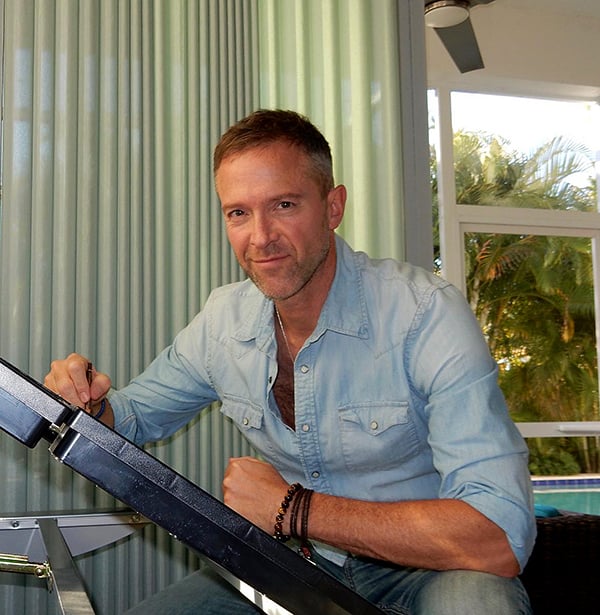
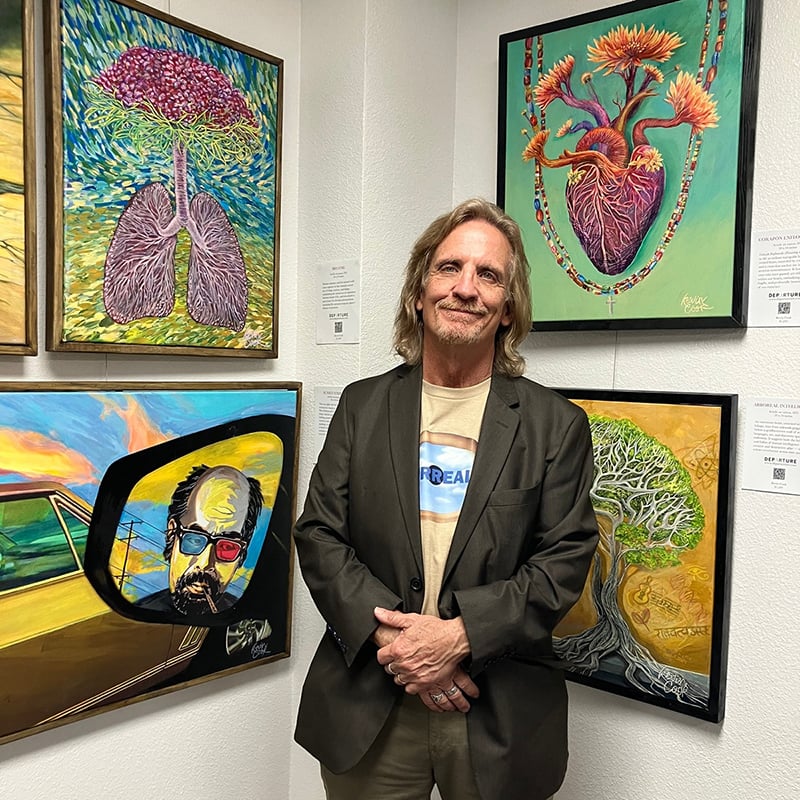
Marc Brechwald
You can see Brechwald’s work, including several new original pieces, at his solo exhibit, “Back to the Drawing Board,” from May 1 through May 31 at Five Deuces Galleria in St Petersburg.
In the heart of Carrollwood sits a place that has quietly, steadily transformed into one of Tampa Bay’s most busy artistic hubs. Carrollwood Cultural Center began as a repurposed church with a green roof has grown into a multi-arts campus filled with theatre, concerts, galleries, classes, festivals, and a sense of belonging that keeps people returning year after year. The transformation is visible in every corner of the campus, from the Main Theatre to The Studio and gathering spaces that now pulse with activity throughout the week.
Executive Director Paul Berg has guided the Center through each stage of that evolution. “Early in the history of the Center we went through a very difficult period,” he said. “What came out of that time was a stronger organization internally.”
That foundation helped the Center adapt quickly during COVID, shifting to online classes and emerging into a period of renewed growth. Facilities Director Rob Curry remembers the early days vividly. “I remember going into what is now the Main Theatre and removing freshly sealed plastic from the chairs and a time where there was no sound or lighting equipment,” he said.
The contrast with today is striking. “Our programming doubled, tripled, then quadrupled. We have gone from being a newly renovated building in a community to being that unique jewel and a sought-out Google search for things to do.”
Marketing Director Adrienne Hutelmyer recalls the long nights when Paul, Rob and she flipped the theatre after late events to prepare for the next morning. “The three of us may not have realized it in 2008, but they were about to be part of something truly special,” she said. That sense of shared purpose continues to shape the Center’s identity. The campus now supports a full season of theatre, youth intensives, improv, concerts, staged readings, and events that bring people together in ways that feel personal and lasting.
Berg’s connection to theatre runs deep. “I began in theatre when I was in third grade and continued to work as an actor and director ranging from community theatre to professional theatre and film,” he said. He sees each production as an opportunity to welcome newcomers and pair them with seasoned performers. “The bonds that form when putting on any type of theatre are extraordinary and they last.”
Artistic Director Chris Holcom, who joined the Center in 2023, approaches programming with a focus on range and discovery. “Variety is the spice of life,” he said. “We have an established demographic but we’re always trying to expand our audience, so the challenge of trying to find offerings that speak to audiences of all ages can be very rewarding if we get it right.”
Holcom is especially enthusiastic about the staged reading series, which highlights new work by local playwrights. “It really comes down to interesting people with interesting ideas and a voice that can share them,” he said.
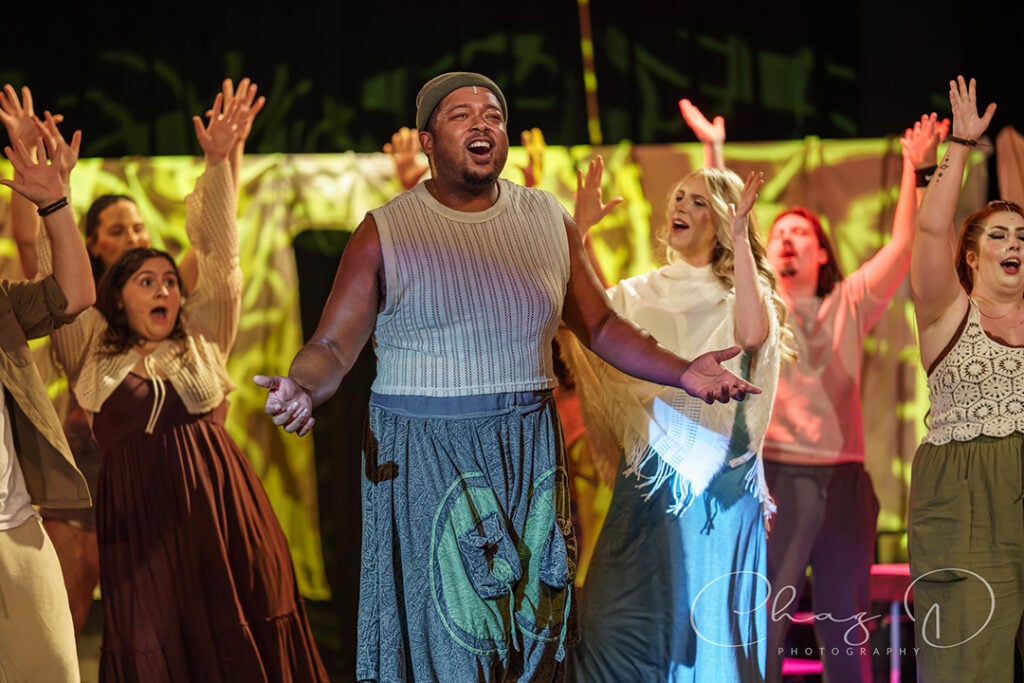
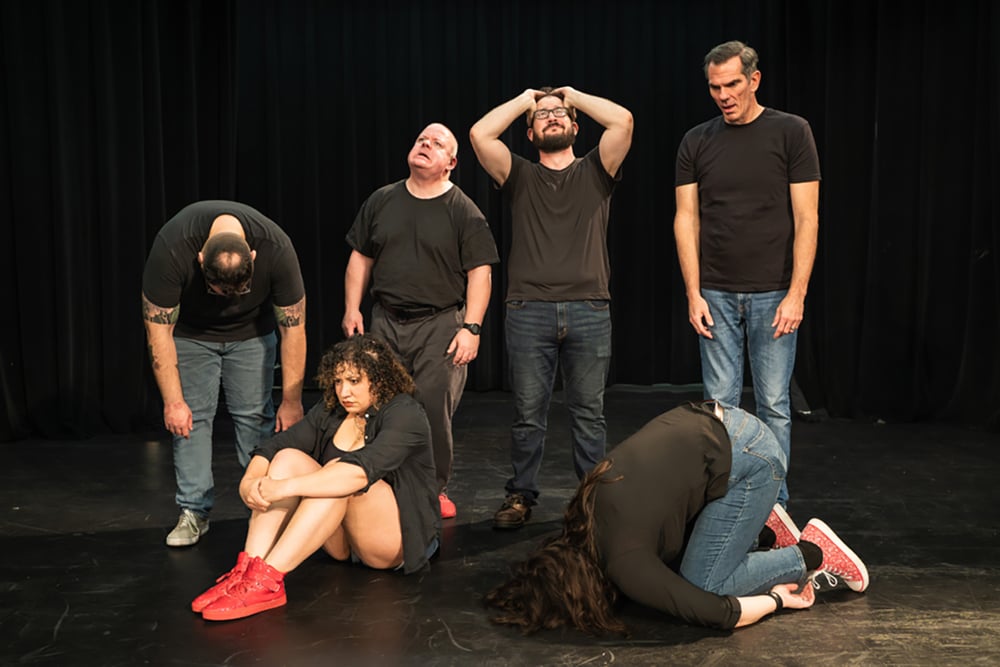
The partnership with Tampa Metropolitan Improv has become an energizing part of the Center’s artistic landscape. Berg sees the collaboration as a natural extension of long‑standing relationships with performers in the group. “Anytime you can collaborate with another creative organization it is a great thing,” he said. “We have known individuals from the group for years and when they reformed it seemed like such a natural fit for us. It has been a great partnership for all of us.”
Hutelmyer echoes that enthusiasm from a marketing perspective. “TMI is the best and they are so creative,” she said. She highlightstheir work specifically to comedy and theatre patrons and follows their social media closely. “Their content is hilarious and honestly sells itself. I just help give them more exposure.” Their presence adds a lively, contemporary dimension to the season, connecting the Center’s mission with a new generation of performers and audiences.
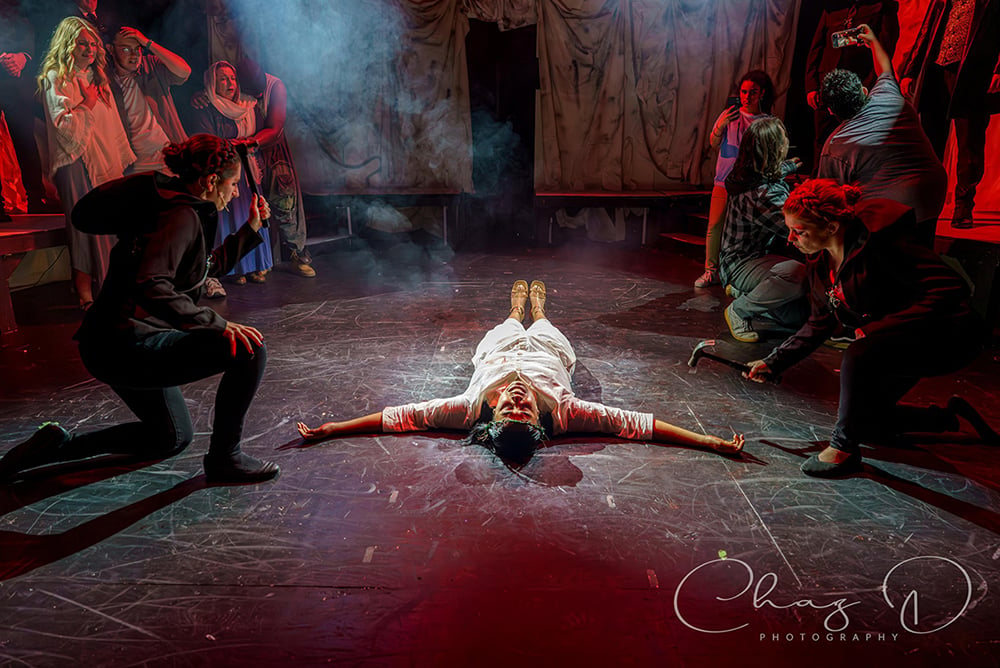
Holcom also looks forward to stretching the technical and creative possibilities of MAS Theatre. “New technical innovations and interesting staging combined with solid stories can defy audience expectations,” he said. His approach aligns with Berg’s belief that supporting new work is essential.
“New work is the heart of creativity,” Berg said. “We have a responsibility to foster new art work, whether that is visual art or the written word.”
Education Director Katie Castonguay has watched the Center’s classes expand rapidly in response to community interest. “I have seen an overall increase in the necessity for art as an expressive outlet and desire to learn a new skill,” she said.
The Center now offers Teen Mural, American Sign Language, Painting in Pastels, Learning to Read Music, Line Dancing, and more. “A strength of the Center and its staff is their ability to be flexible and creative with new endeavors,” she said. “We are consistently open to new ideas and expanding our horizons.”
Castonguay sees the youth programs as a powerful reflection of the Center’s future. “I see the youth that will continue each of these art forms and nurture community need for artistic expression for the next generations because of their experience within our walls,” she said. “We raise them to run it in the future.” She keeps a running document of ideas gathered from students throughout the year, ensuring their voices shape future programming.
Summer camps remain one of Berg’s favorite parts of the year. “The energy, creativity and talent that children bring always amazes me,” he said.
This summer introduces camp tech positions for young people who gravitate toward lighting, costumes, and backstage work. “I am really excited to watch the kids grow as they learn new skills and to sit back and watch them perform is a really amazing thing.”
The Center’s calendar extends far beyond classes and theatre. Outdoor festivals, community yard sales, jazz concerts, big band performances, and many other celebrations fill the year. Berg sees these events as essential to the Center’s mission. “The festivals are all about giving back to the community,” he said. “They are opportunities for the entire family, including pets, to come out and enjoy a day together.”
The galleries add another layer to the Center’s identity. Rotating exhibitions, online auctions, and opportunities for local artists to showcase their work create a steady rhythm of discovery. The visual arts program has grown alongside the performing arts, offering painters, sculptors, photographers, and mixed‑media artists a place to share their craft. The galleries often serve as a first point of entry for new visitors who later explore classes or performances, creating a natural flow between disciplines.
Hutelmyer’s marketing approach has grown alongside the Center’s expanding offerings. She schedules major campaigns a year in advance to ensure each program receives its moment. “It’s a carefully choreographed dance,” she said. Yet the heart of her strategy remains unchanged. “I’ve always said our best form of marketing is word-of-mouth,” she said. “Being part of the Center shouldn’t be work. It should be where you go to just be.”
She carries countless stories that illustrate the Center’s impact. One involves a 96-year-old man named Laddie who decided to learn the horn for the first time and joined the New Horizons band. Another centers on Sebastian Hagelstein, the Center’s first youth theatre student, who later returned as a playwright to watch an audience experience his work. She also points to Devan Bittinger, whose talents span choreography, costume design, props, percussion, performance, and instruction. “She is a Swiss army knife of artistic and creative talent and chooses to share it with us,” Hutelmyer said.
Long‑tenured staff and teaching artists play a significant role in the Center’s continuity. Berg sees their commitment as a reflection of the environment they have built together. “I have staff that have been with the Center since the beginning,” he said. “I have many teachers that have been with us for over ten years.” Their presence creates familiarity for patrons who return season after season, and it strengthens the sense of community that defines the Center.
As the Center looks toward the next decade, Berg hopes to continue growing within the realities of the current economy. Expansion may not be immediate, but innovation remains central. “We look to what can we do to move ourselves forward,” he said.
Carrollwood Cultural Center is located at 4537 Lowell Road, Tampa. Visit carrollwoodcenter.org for more information and a calendar of monthly events. •
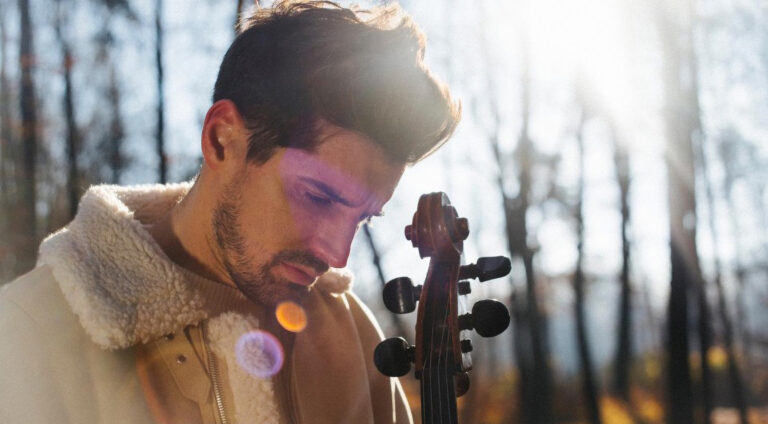
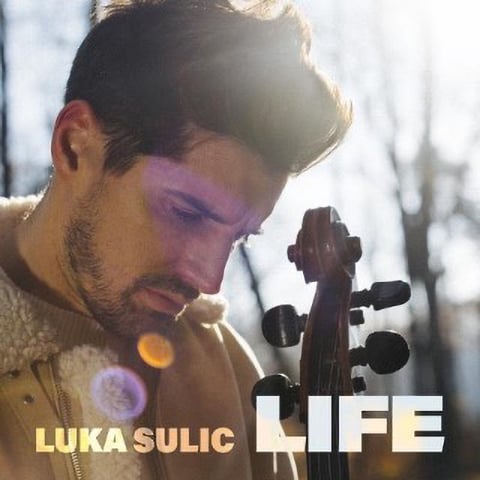
THE NEW ALBUM OF UNRELEASED TRACKS BY THE CELLIST AND COMPOSER LUCA SULIC
In 2022, Luka Šulić stepped back from the intense touring schedule of 2Cellos to make space for creativity and to focus on family life – he has recently welcomed his fourth child. For the new album LIFE, released on Platoon on 22 March, Luka returned to his compositional roots to create music with an evocative sound world, enriched with luscious harmonies, soaring strings, and a cello line of transcendent beauty.
Luka’s musical foundation was built upon original composition and an innate skill in instrumental arrangements – this album is his debut as a composer and arranger. From a young age, he began developing works for solo cello, and he has always been drawn to the rich, expressive sound world of a string orchestra – a sound able to take the listener to greater emotional depths. The tracks on this album are from ideas that have been gradually forming for many years, and given space to nurture, they have evolved into Luka’s musical depiction of LIFE.
“Within the Classical tradition, there’s often not enough emphasis on space for creativity during the learning process – with rigid structures and enforced techniques becoming an obstacle to creative freedom,” Luka adds. “You can learn an enormous amount from immersing yourself in the mastery of Beethoven and Dvořák, but you can also learn a lot from Max Martin. It’s so important to keep an open mind, in order not to stagnate in the process. He believes that ultimate expression is only possible when you create something yourself, and at home with family, this creativity was given the chance to develop organically. Luka has drawn inspiration from nature and family relationships, from life’s kaleidoscope of struggles and joy, pouring his soul into these personal works. These new tracks are an example of a musician mastering his craft.”
Album Release Date 22.03.24 Cat PLAT21980
Credits Composed and arranged by Luka Sulic Luka Sulic – cello Czech Studio Orchestra conducted by Jan Chalupecky Produced by Kresimir Seletkovic and Luka Sulic Mixed and Mastered by Filip Vidovic / Matterhorn Music
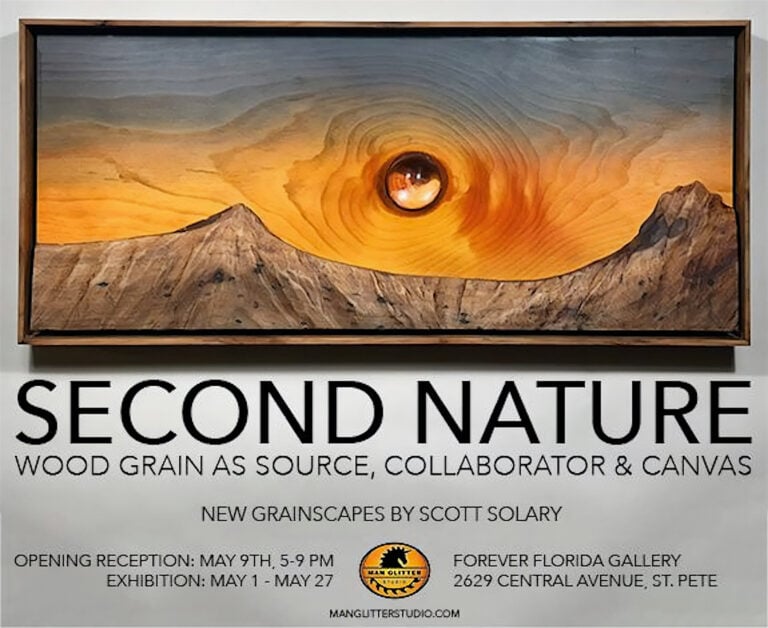
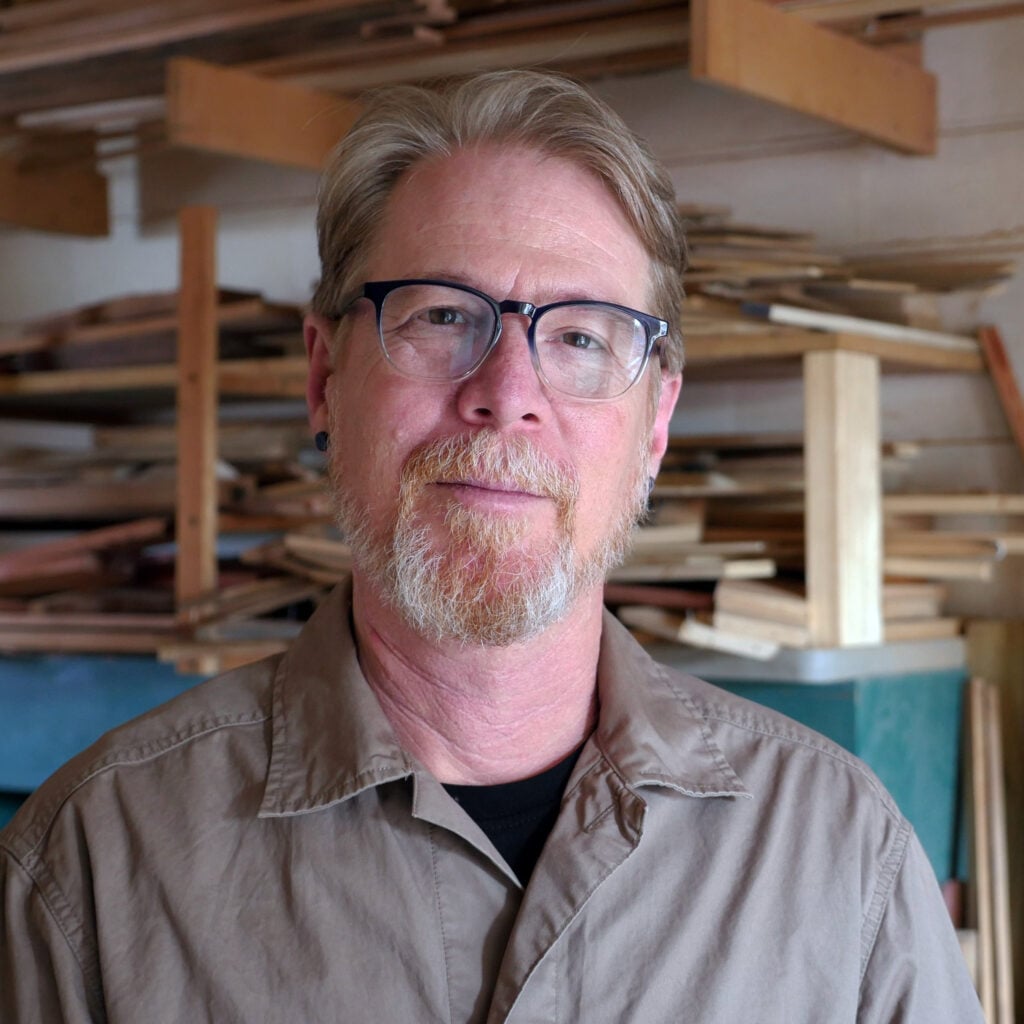
Scott Solary’s Debut Solo Exhibition at Forever Florida Gallery
Forever Florida Real Estate – Grand Central 2629 Central Ave St. Petersburg, FL 33713 May 9, 2026: 5-9pm (On display May 1-31)
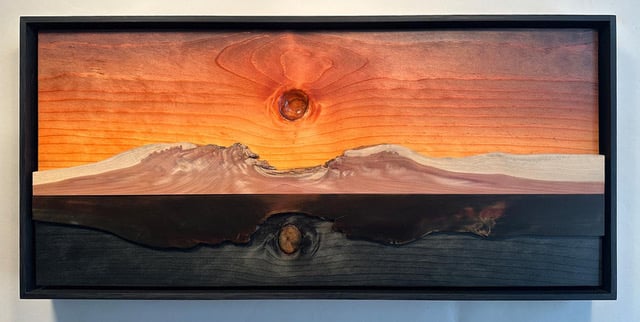
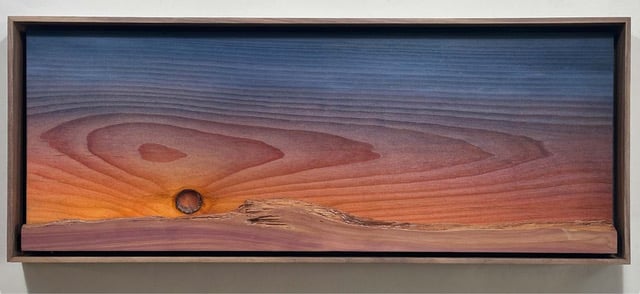
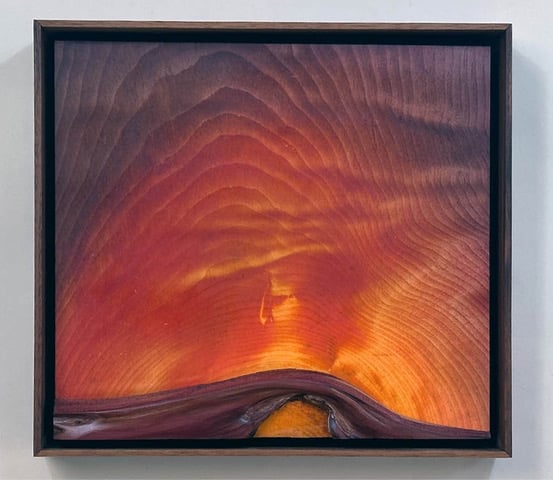
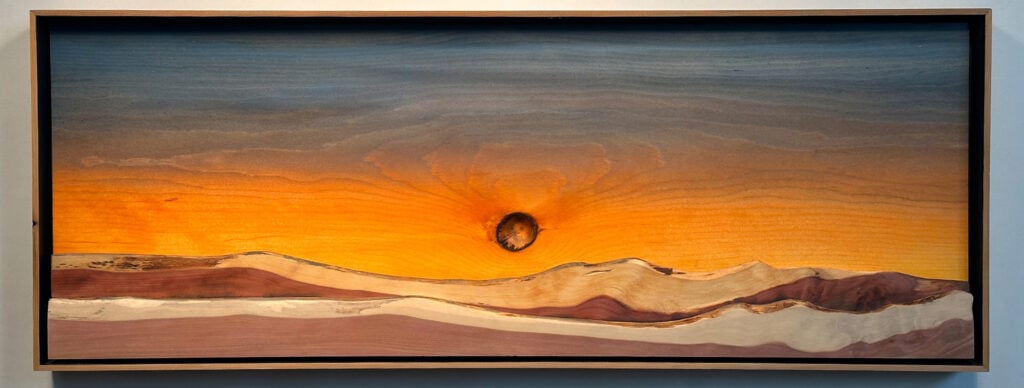
On the evening of May 9th, from 5 to 9 p.m., Forever Florida Gallery will open its doors to a landmark moment for artist, Scott Solary: his first solo exhibition, Second Nature: Grain as Source, Canvas, and Collaborator. Timed to coincide with the vibrant Second Saturday Art Walk in St. Petersburg’s Grand Central District, the exhibition invites the public into a deeply tactile and contemplative body of work that challenges conventional boundaries between artist and material, intention and emergence, design and discovery. Second Nature is more than an exhibition—it is an introduction to a way of seeing.
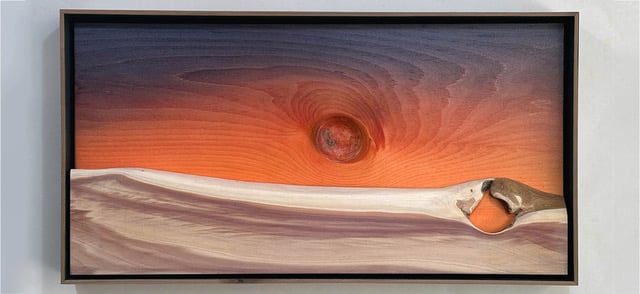
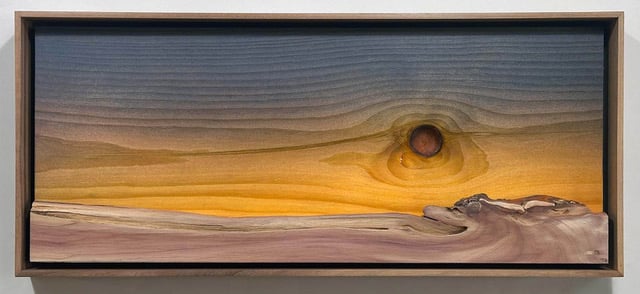
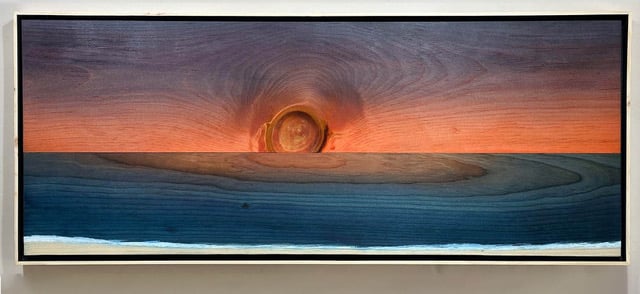
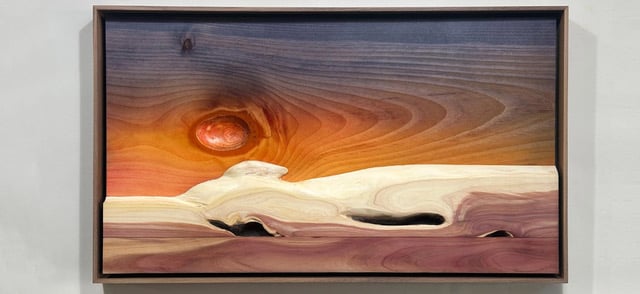
Scott Solary’s work begins with a simple but radical premise: the material is not passive. In an era where artists often impose vision upon blank surfaces, Solary instead turns toward surfaces already rich with narrative. His medium—wood—is not treated as a substrate to be covered, but as an active collaborator whose grain patterns suggest landscapes, atmospheres, and terrain.
Each piece starts with careful observation. Growth rings, knots, and subtle variations in tone are not imperfections to be concealed, but signals to be interpreted. Within these natural formations, Solary identifies horizon lines, cloud formations, bodies of water, or geological shifts. From there, he intervenes, using dyes and stains to amplify what is already present rather than overwrite it.
The result is a body of work that feels simultaneously discovered and created—images that seem to have always existed within the wood, waiting for someone with the patience to see them.
Grain as Language
The subtitle of the exhibition, Grain as Source, Canvas, and Collaborator, speaks directly to Solary’s proces. In his hands, wood grain becomes a visual language—one that operates according to its own logic of time, pressure, and growth.
Unlike traditional painting, where composition is constructed from the ground up, Solary’s compositions are guided by what the material offers. This requires a relinquishing of control that is both technical and philosophical. It is not simply about working with wood; it is about listening to it.
This approach aligns closely with a broader movement toward material-driven art practices, but Solary’s work stands apart in its clarity of intent. There is no irony here, no conceptual distance. The collaboration is sincere. The grain is not a metaphor—it is a partner.
The Biophilic Connection
At the heart of Second Nature is an engagement with biophilic principles—a concept rooted in the idea that humans possess an innate affinity for the natural world. Biophilia is more than an aesthetic preference; it is a psychological and physiological response. Studies have shown that exposure to natural patterns, textures, and forms can reduce stress, enhance creativity, and foster a sense of well-being.
Solary’s work taps into this connection in a direct and visceral way. Rather than depicting nature through representation, he presents nature itself—transformed, but still fundamentally intact. The viewer is not looking at an image of a landscape; they are looking into a material that has lived, grown, and recorded time within its structure.
This distinction matters. It shifts the experience from one of observation to one of participation. The eye follows the grain not as a painted illusion, but as a real, physical record of organic growth. The mind recognizes patterns that feel familiar, even if they are abstracted. The result is a quiet but powerful resonance—a feeling of recognition without explicit representation.
A Year of Work, A Cohesive Vision
The exhibition features over 30 original pieces created this year, marking an intense and focused period of production for Solary. Despite the variety of forms and compositions, the collection maintains a strong sense of cohesion. This is not a retrospective assembled from disparate experiments; it is a unified body of work that reflects a clear and evolving vision.
Some pieces emphasize expansive, panoramic compositions where sweeping grain patterns evoke distant horizons and atmospheric depth. Others focus more intimately on singular features—a knot magnified into a sun-like form, or a concentrated area of turbulence that reads as a storm or geological event.
Process as Practice
Central to understanding Solary’s work is an appreciation of his process. Unlike many contemporary artists who rely heavily on layering, revision, and overpainting, Solary’s approach is additive but restrained. Each decision must work in harmony with what already exists in the wood.
Dyes and stains are applied, often building in transparent layers that allow the grain to remain visible and active. Color is used not to dominate, but to coax out depth, to suggest light, to create contrast without obscuring the underlying structure.
A Beginning
As a debut solo exhibition, Second Nature marks a significant milestone. It is both a culmination of a year’s focused effort and the beginning of a broader artistic trajectory. The clarity of Solary’s vision, combined with the distinctiveness of his process, suggests a practice that will continue to evolve while remaining grounded in its core principles.
In a cultural moment often defined by speed and saturation, Solary’s art offers something different: a space for contemplation, a return to material awareness, a reminder that not all creation begins with a blank slate.
Sometimes, it begins with paying attention.
Second Nature: Grain as Source, Canvas, and Collaborator opens May 9th from 5 to 9 p.m. at Forever Florida Gallery during the Second Saturday Art Walk in St. Petersburg’s Grand Central District. The exhibition is free and open to the public.
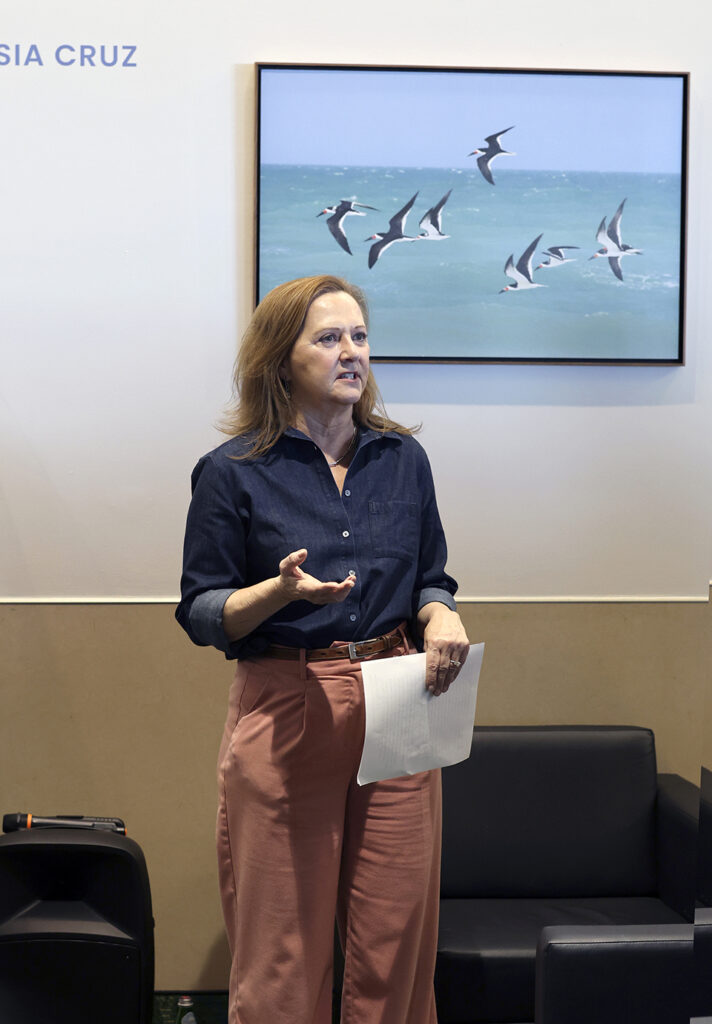
For millions of travelers each year, the first glimpse of Pinellas County comes not from a beach or museum—but from an airport terminal. At St. Pete–Clearwater International Airport, better known as PIE, the arts have become part of the travel experience, transforming a simple transportation hub into a gateway to the region’s vibrant creative culture.
Serving almost 2.8 million passengers annually, PIE has increasingly embraced its role as a cultural ambassador for the area. Through public art installations, rotating exhibitions, and collaborations with local organizations, the airport has become a gallery introducing visitors to the artistic spirit of Pinellas County.
Margaret Murray/Creative Pinellas Michele Routh/PIE Public Relations Director, Curator
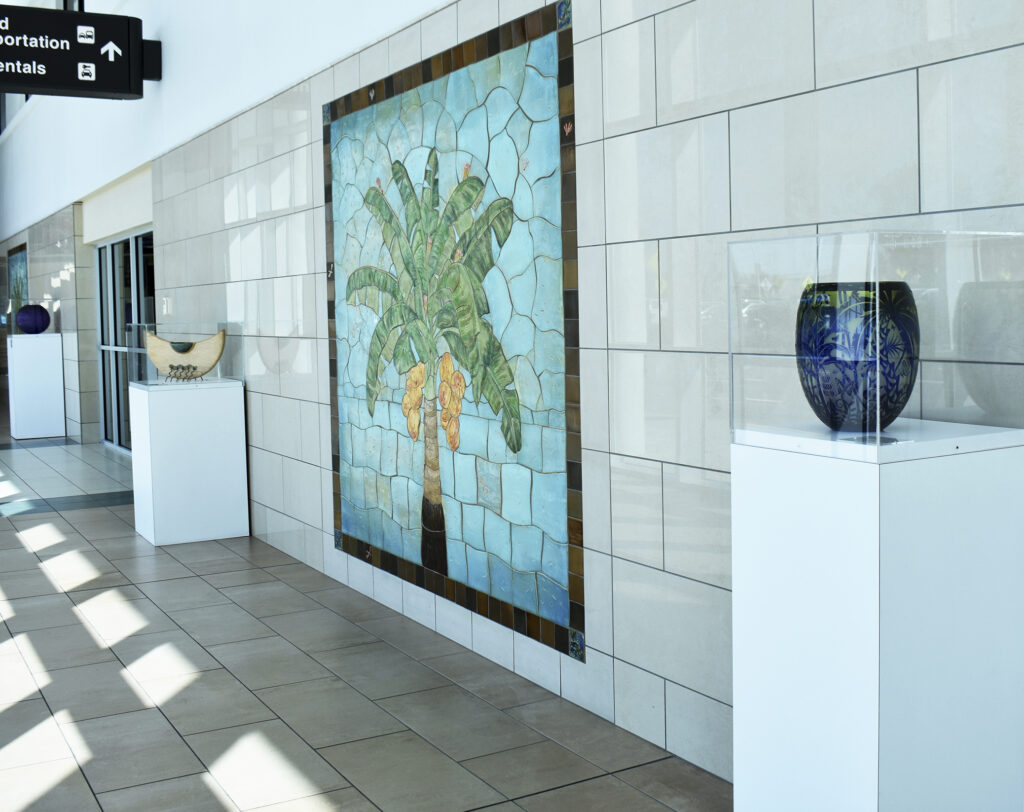
Passengers walking through the terminal quickly notice that PIE is not just about boarding gates and baggage claim. Artwork appears throughout the airport—paintings, glass installations, ceramics, and mixed-media works created by Florida artists.
One of the most striking pieces greets visitors near the main entrance: a towering 45-foot blown and painted glass installation. Throughout the terminal, travelers encounter works from a wide range of regional artists, including glass artist Duncan McClellan, painter and enamel artist Mary Klein, and glass designer Guy Kemper.
The airport’s public art program highlights both established and emerging artists from the area, ensuring that the visual landscape reflects the creative diversity of the region.
In recent years, murals have added bold color to the airport’s airside corridors. Local artists Leo Gomez and Laura “Miss Crit” Spencer created large-scale murals near Gate 12 that greet travelers with imagery inspired by Florida’s landscapes and coastal environment.
Gomez’s mural evokes a dreamy Pinellas County sunset and includes the phrase “Go Easy,” reflecting the laid-back atmosphere visitors expect when they arrive in the Sunshine State and at PIE. Spencer’s work bursts with tropical flora and underwater imagery, celebrating the ecosystems that make the Gulf Coast unique.
These murals serve as visual reminders that visitors have arrived somewhere special.
A major step forward for the airport’s arts presence came with the opening of the Sightline Gallery, a dedicated exhibition space created through a partnership with Creative Pinellas.
Located near the airport’s gate areas and public spaces, the gallery hosts rotating exhibitions that showcase artists from across Pinellas County.
Exhibitions rotate several times each year, ensuring that returning travelers encounter new artwork and that a wide range of local artists gain exposure to a global audience.
Airports have long been gateways to cities, but PIE’s arts initiatives recognize something deeper: the arrival experience shapes how visitors perceive a destination.
By integrating art throughout the terminal, the airport introduces travelers to the region’s creative identity before they even leave the building. For some passengers, a mural or sculpture inside PIE may be their first encounter with the artistic energy that defines St. Petersburg and Pinellas County.
The County is internationally known for cultural institutions such as the The Dalí Museum and the Chihuly Collection, along with public murals, galleries, and art festivals.
For travelers heading to the beaches, downtown St. Petersburg, or the many arts districts of Pinellas County, the message is clear from the moment they step off the plane: You’ve arrived somewhere special, somewhere creative.
Rise Opening
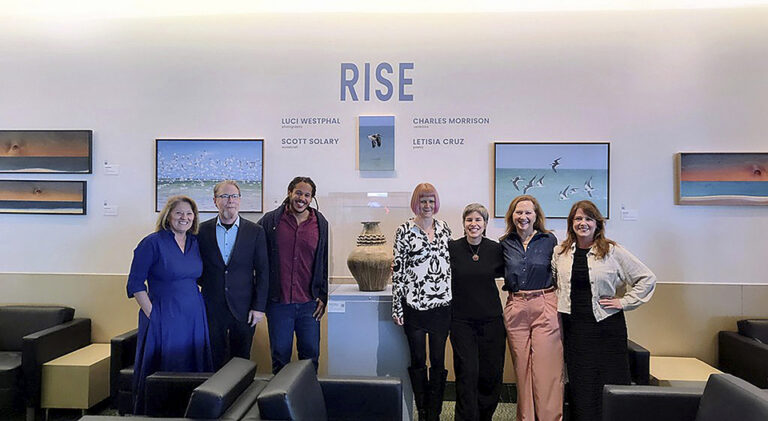
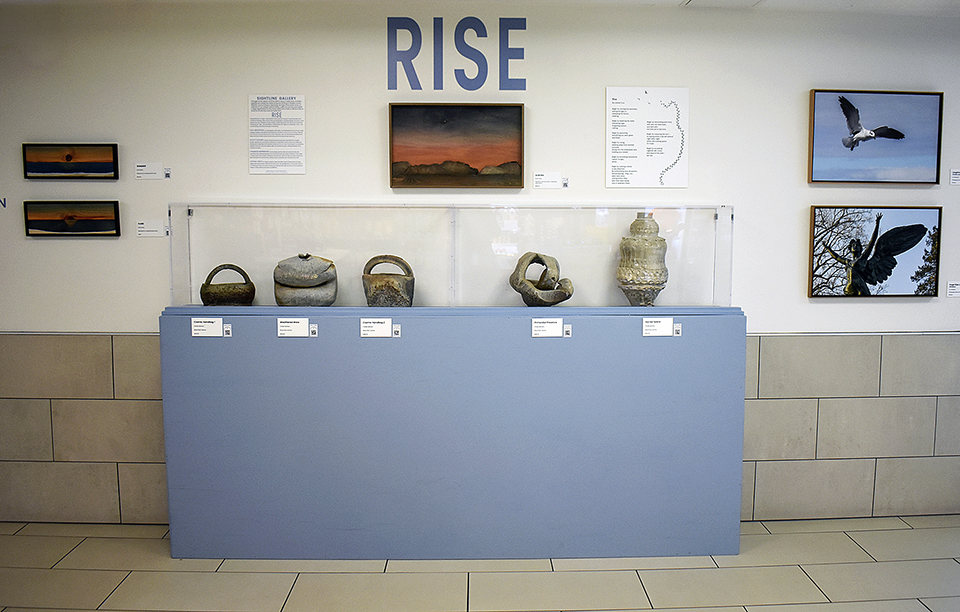
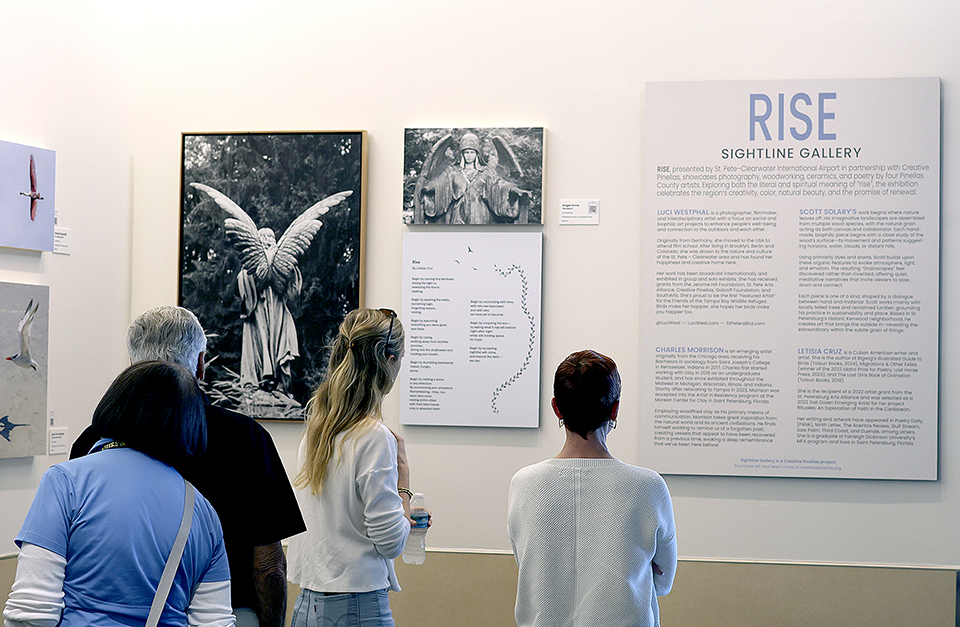
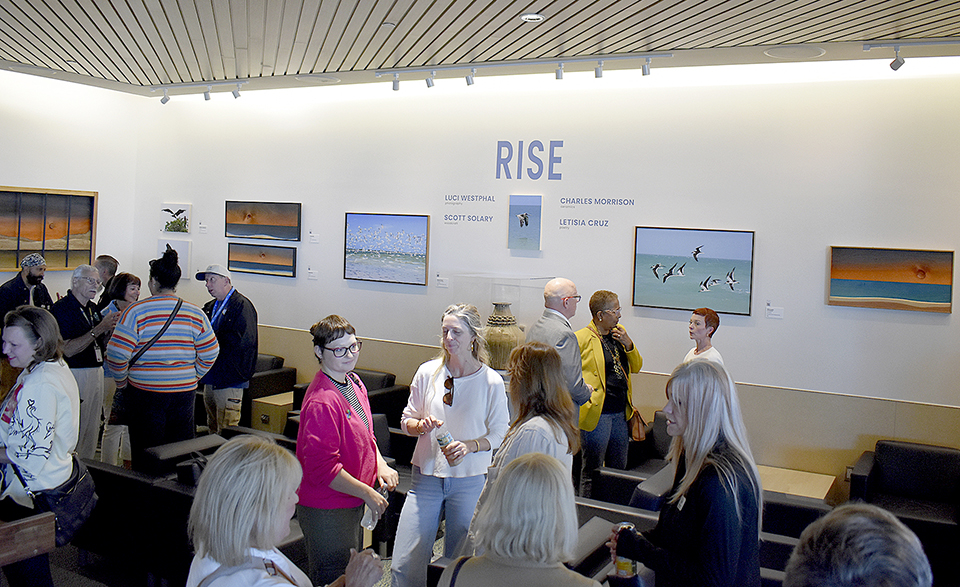
The new exhibition, “Rise” at St. Pete–Clearwater International Airport (PIE) marks another step in bringing the arts directly into the travel experience of Pinellas County visitors. Organized through a partnership with Creative Pinellas, the show transforms a busy part of the terminal into an art gallery (Sightline Gallery) celebrating local creativity and the spirit of renewal.
The Meaning Behind “Rise”
“Rise,” which runs through June 15, explores themes of renewal, growth, and the sense of place found in Florida’s landscapes and communities.
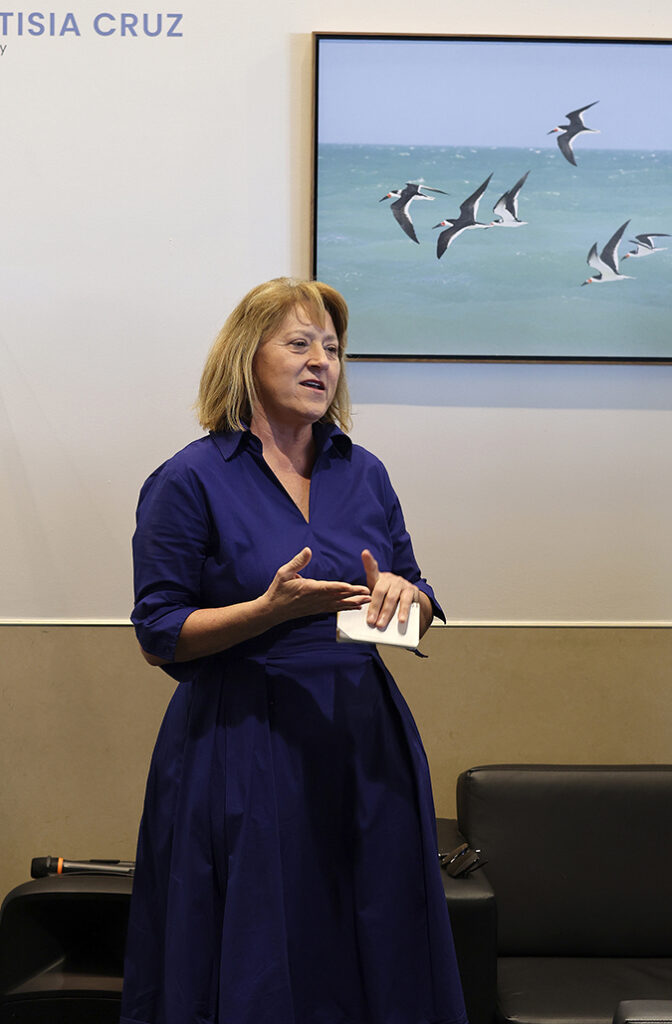
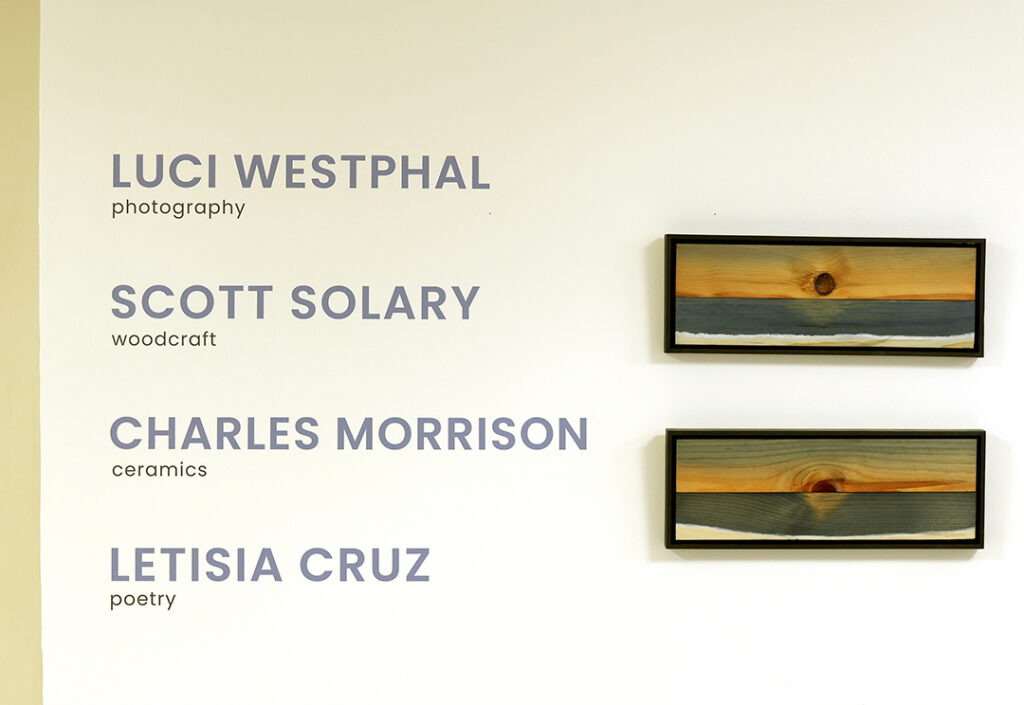
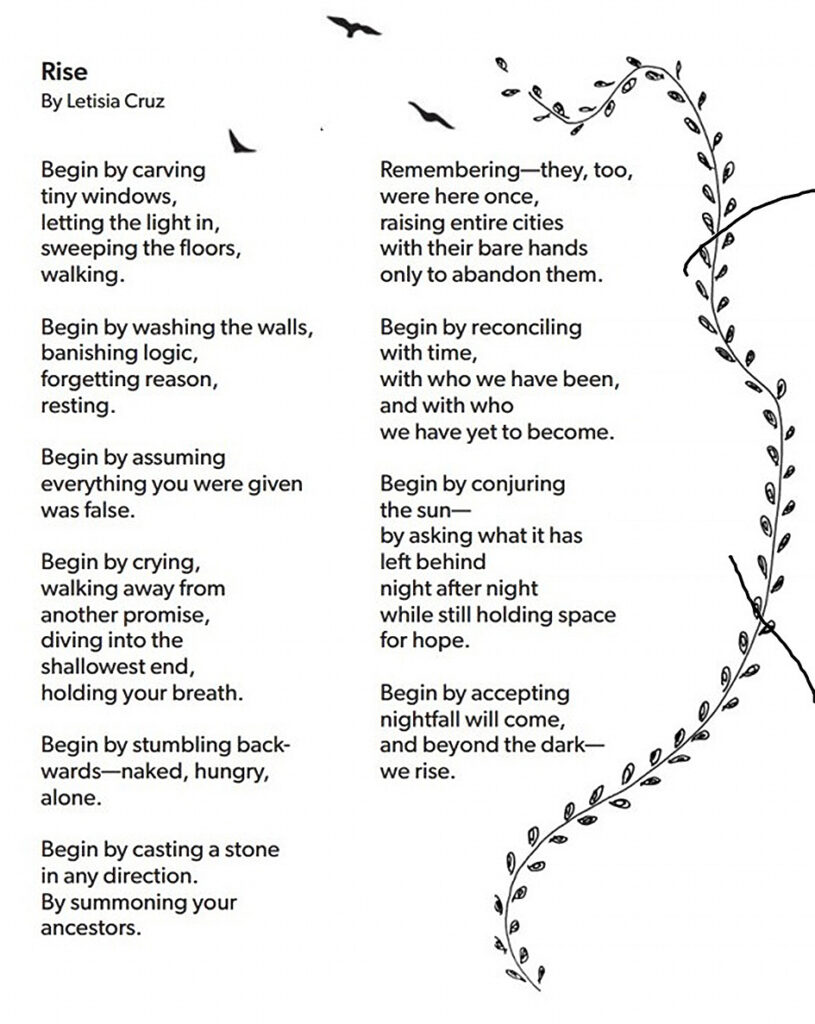
The exhibition brings together four artists whose work interprets the word “Rise” in both literal and symbolic ways: Luci Westphal, whose photography captures birds in flight and angelic imagery that suggests uplift and hope. Scott Solary, a woodworker, pieces often depict mountains, sunrises, and other natural forms associated with new beginnings. Charles Morrison, a ceramic artist whose vessels emphasize the transformation of clay as it rises into shape. Letisia Cruz, a poet whose words remind viewers that every day offers another chance to rise and start again.
Together, their work invites travelers to pause and reflect—even if only for a moment before boarding or when arriving.
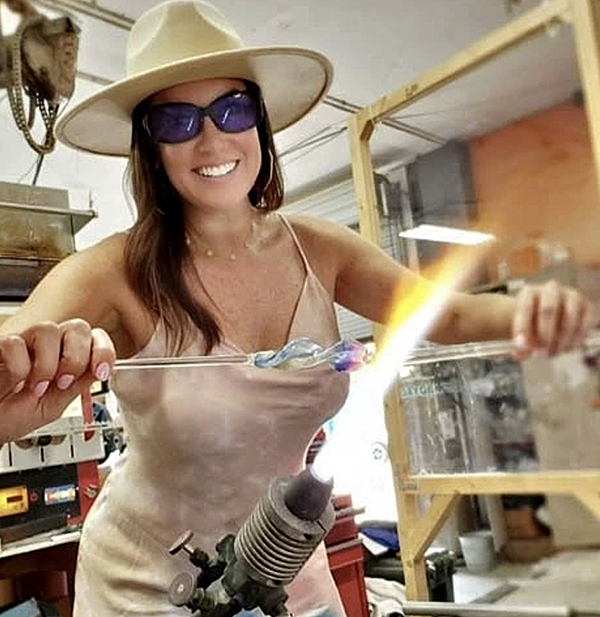
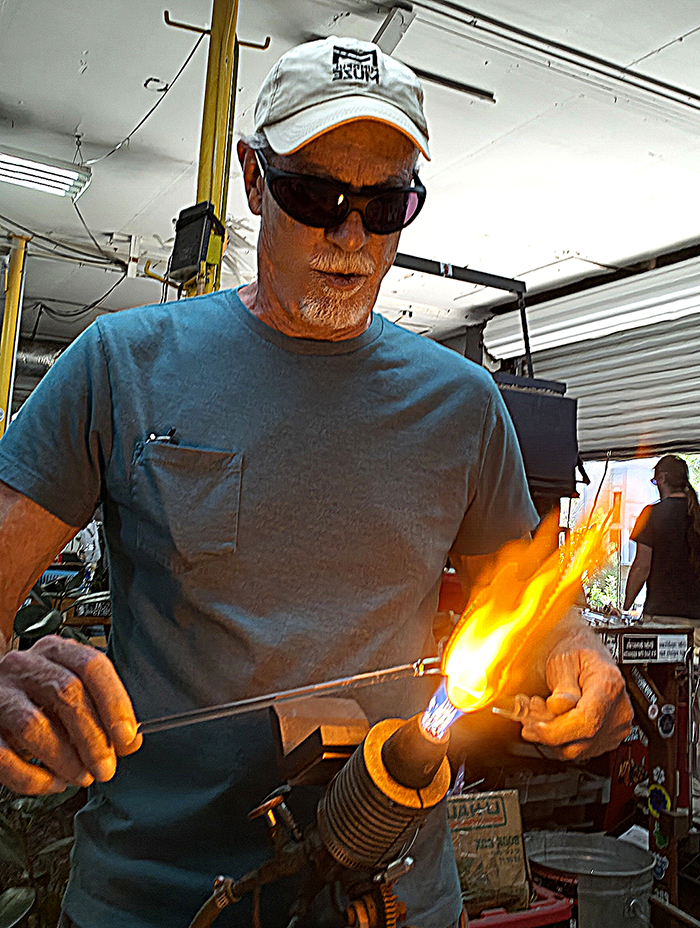
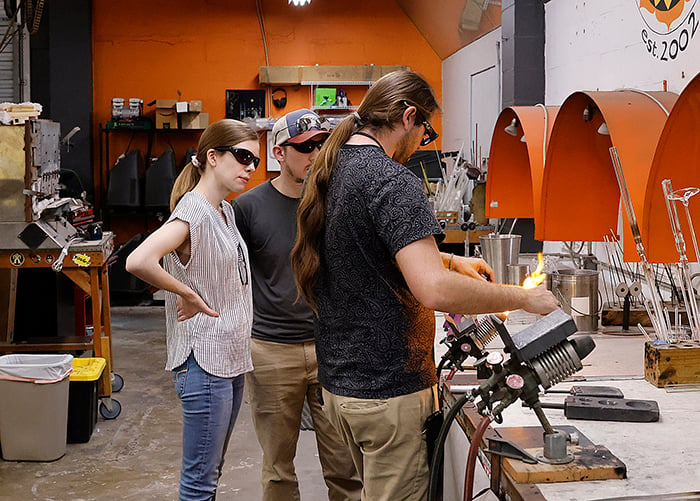
Some like it HOT! I am a fire sign (Aries), which is one reason I moved to Florida, I don’t like the cold. Not saying I like 100 degree weather either. More like 75-80, right?! That being said, Zen Glass Studio’s heat hits 3,000 degrees Fahrenheit. And you get to play with it. Pretty awesome!
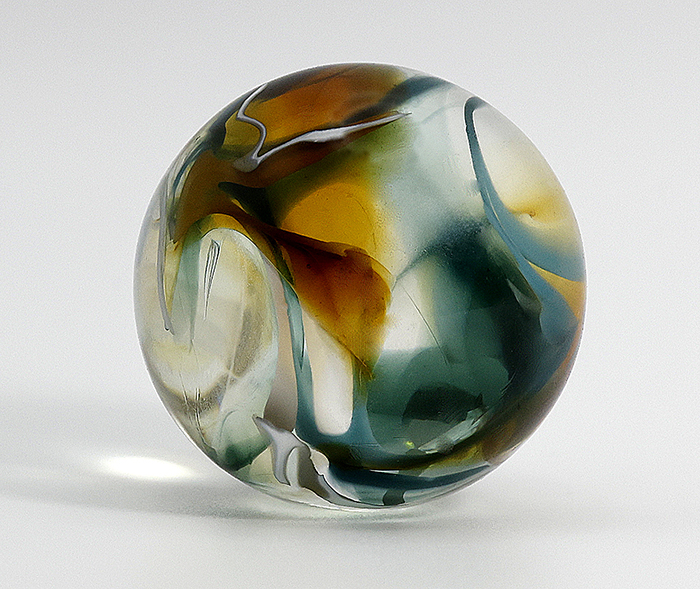
So, I made me a marble! Yep, fired that glass up ‘til it was MOLTEN! Dripping off the end of the clear, long, glass rod. Kept twisting it, adding my four colors with tweezers holding small colored glass rods. Mixing the colored glass with the clear. Every so often I would pull it out of the flame and place it into a concave metal “mold” while continuing to twist, roll and twirl. The glass rod I mean, not me! With the dripping hot glass on the end of the rod following, as much as possible, my intentions. A lot of twisting and twirling going on.
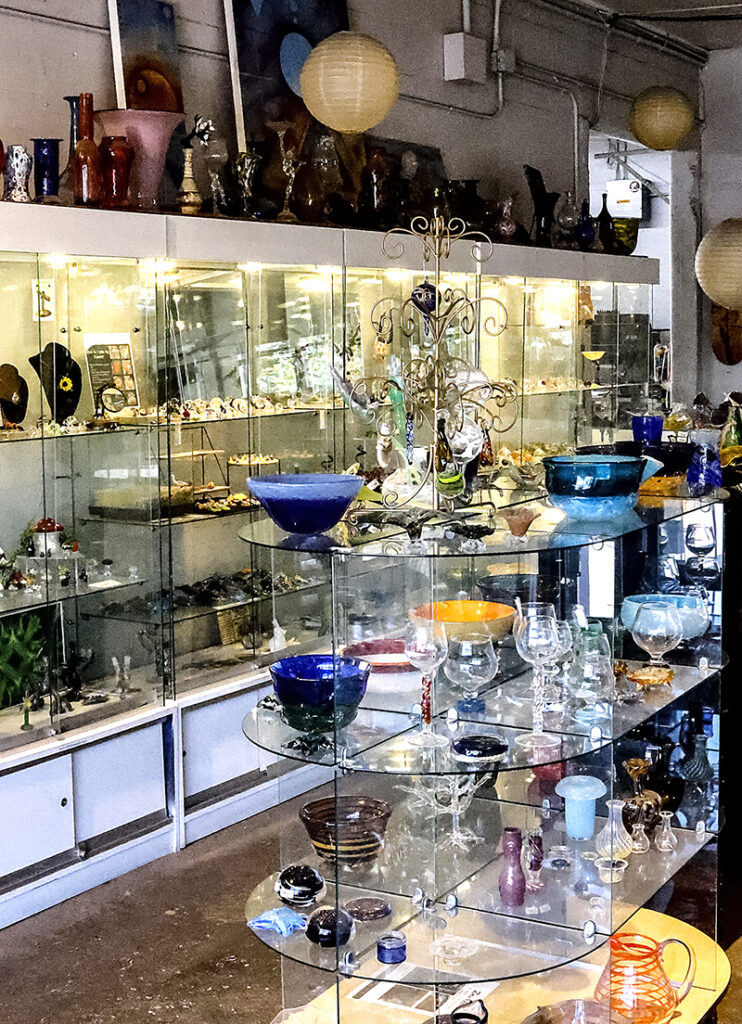
Zen Glass Studio & Gallery stands as one of the city’s most immersive artistic experiences. Equal parts working studio, classroom, and gallery, Zen Glass has spent more than two decades shaping not just molten glass, but the cultural identity of St. Pete itself.
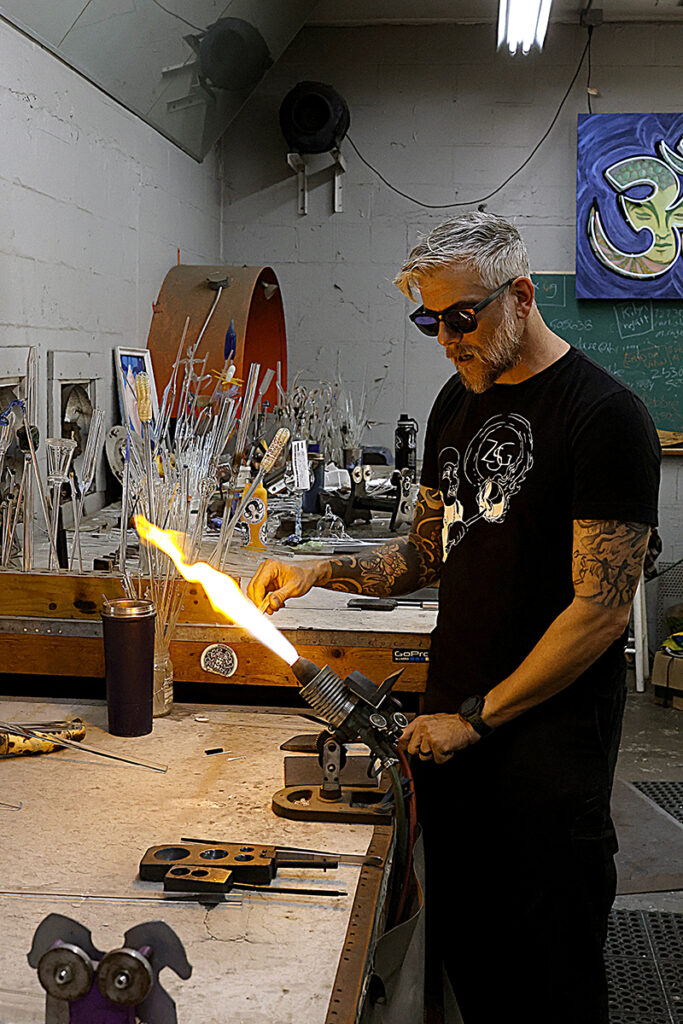
Founded in 2002 by glass artists David Walker and Joshua Michael Poll, Zen Glass began as a space for artists to experiment, collaborate, and refine their craft.
Walker and Poll came together from different creative paths, Walker through a formative apprenticeship in glassmaking, and Poll as a largely self-taught artist exploring multiple disciplines within glass. Their shared vision was simple but ambitious: create a studio that would both produce high-level glass art and make the medium accessible to the public.
Josh Poll
More than twenty years later, that vision has expanded into one of Tampa Bay’s premier glassworking facilities, known for both its artistry and its hands-on approach to education.
Glassblowing is often described as a dance with heat (no, you better not be dancing while doing this!) The process is immediate and unforgiving. Once the glass is molten, there’s no pausing, no rewinding, only shaping, reacting, and adapting.
That unpredictability is part of the allure. As Walker has noted, working with glass requires presence: a commitment to the moment and an acceptance that the material often has a voice of its own.
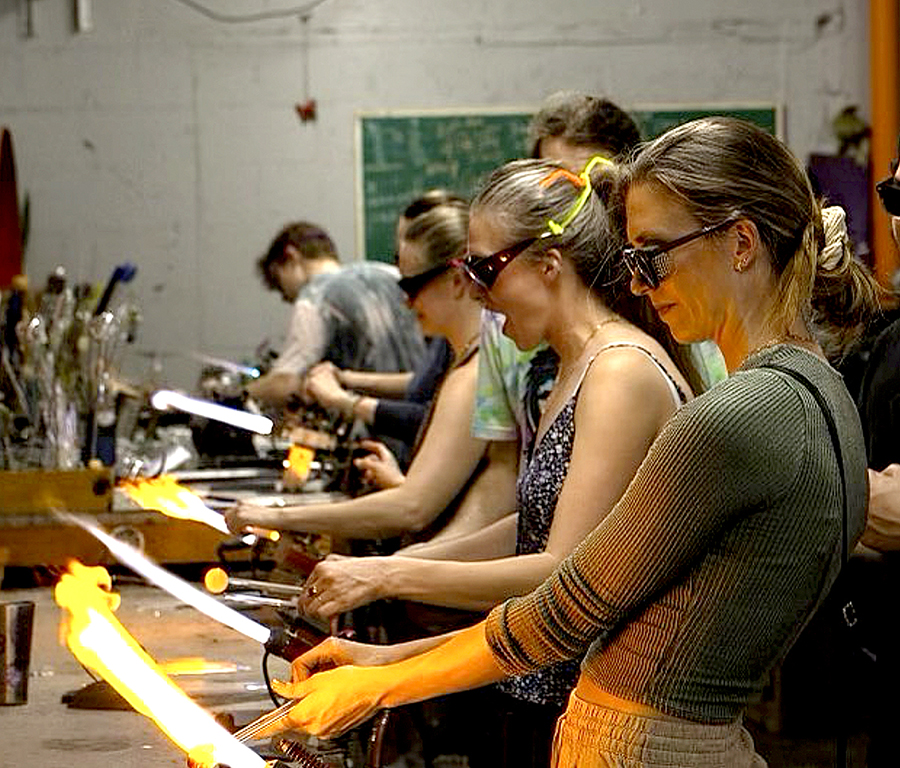
Why is Zen Glass exciting? It’s business model places an emphasis on participation. This is not a place where art sits quietly behind glass (Although there is that), it’s a place where you make it yourself.
The studio offers a wide range of workshops designed for all experience levels. First-time visitors can try one-hour “make-your-own” sessions, creating pieces like wine glasses, ornaments, pendants, or paperweights under guided instruction.
For those looking to go deeper, Zen Glass provides: • Beginner flameworking classes • Private one-on-one instruction • Group workshops and team-building sessions • A 15-week immersive glassblower training program
This approach, from casual experience to professional development, has helped cultivate a new generation of glass artists in the region. Some former students have gone on to build full-time careers in the medium, a testament to the studio’s educational depth.
Zen Glass is more than a studio, it’s a community hub. Since its founding, it has been deeply embedded in St. Petersburg’s arts ecosystem, participating in events like the Second Saturday ArtWalk and collaborating with local institutions.
The studio has also partnered with educational programs, including immersive semesters with students from Eckerd College, and has hosted workshops for both children and adults.
Programs like youth workshops and specialized initiatives, even those aimed at veterans seeking creative outlets, highlight the studio’s broader mission: using art as a tool for connection and personal expression.
In recent years, Zen Glass has become a must-visit destination for both locals and tourists. The rise of experiential travel, where visitors seek meaningful, hands-on activities, has positioned the studio as a standout attraction.
Guests don’t just leave with a souvenir; they leave with a personal story. Whether shaping their first piece of molten glass or watching master artists at work, the experience is equal parts thrilling and meditative.
The studio’s growing visibility has even reached national audiences, including a feature on HGTV’s Rock the Block, further cementing its reputation beyond Florida. St. Petersburg has increasingly been dubbed part of Florida’s “glass coast,” and Zen Glass is a key reason why.
As the city continues to evolve as an arts destination, Zen Glass remains both an anchor and an innovator, preserving traditional techniques while pushing the boundaries of what glass can be.
More importantly, it continues to invite the public into the process. In a world where art is often consumed passively, Zen Glass offers something rare: the chance to create, to experiment, and to experience art in its most elemental form; fire, oxygen, and a nice piece of glass! •
Zen Glass – Keeping it HOT, for you! Check it out…
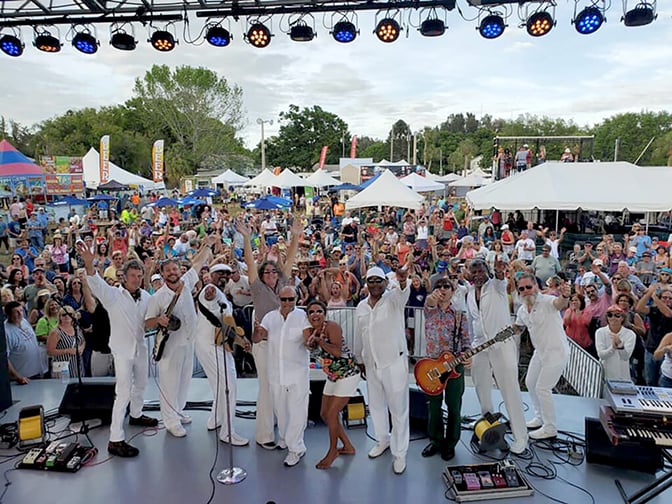
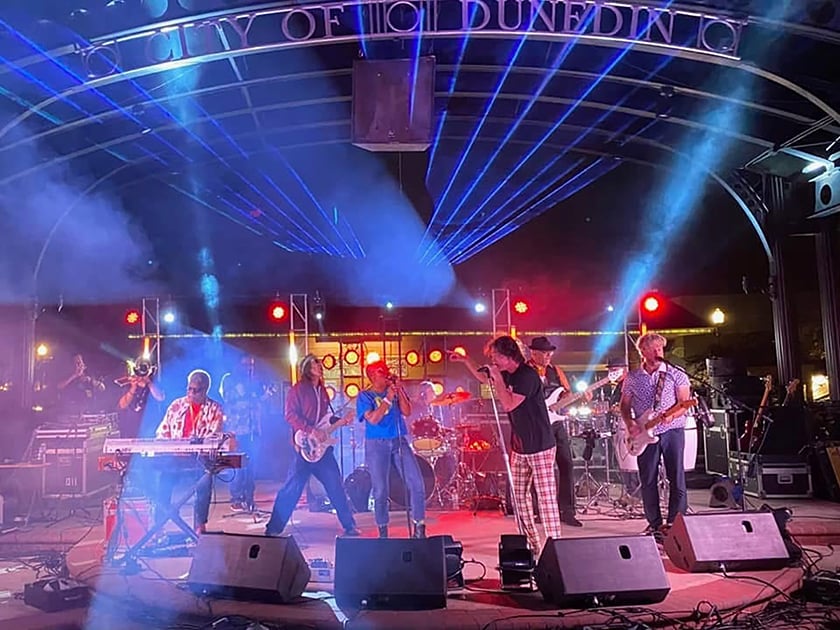
At a live taping of Oh Yeah?!, the regional talk show filmed at FloridaRAMA in St. Petersburg, house band the Oh Yeah-Yeahs got the crowd grooving with their funky sound.
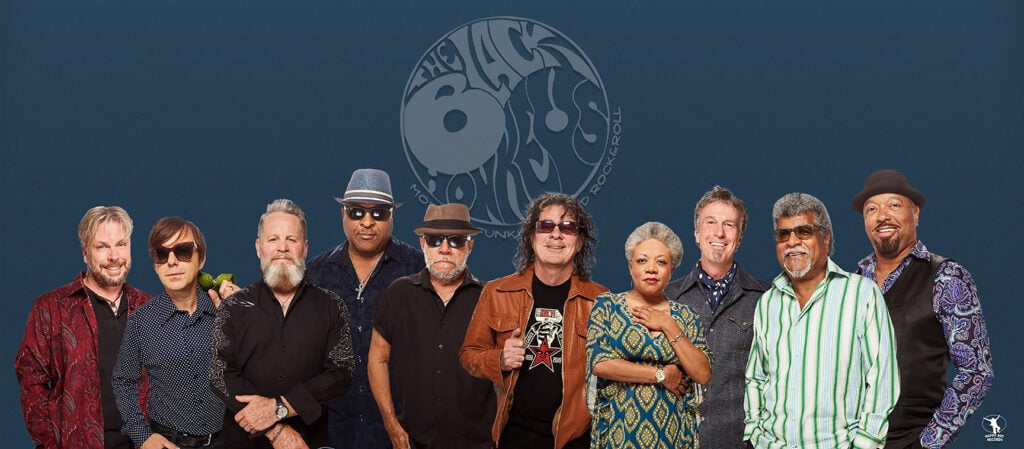
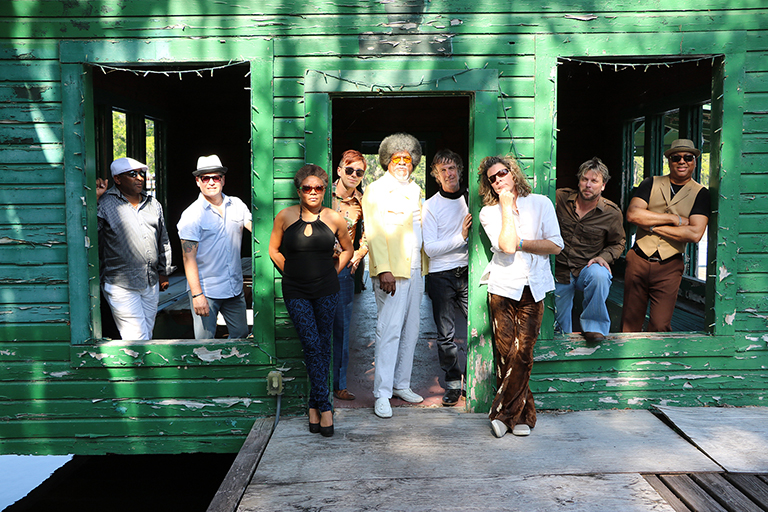
The band’s had lots of practice — nearly 26 years — because they’re also known as The Black Honkeys Band, Tampa Bay’s beloved soul/R&B and funk act who’ve played stages big and small throughout the region for decades.
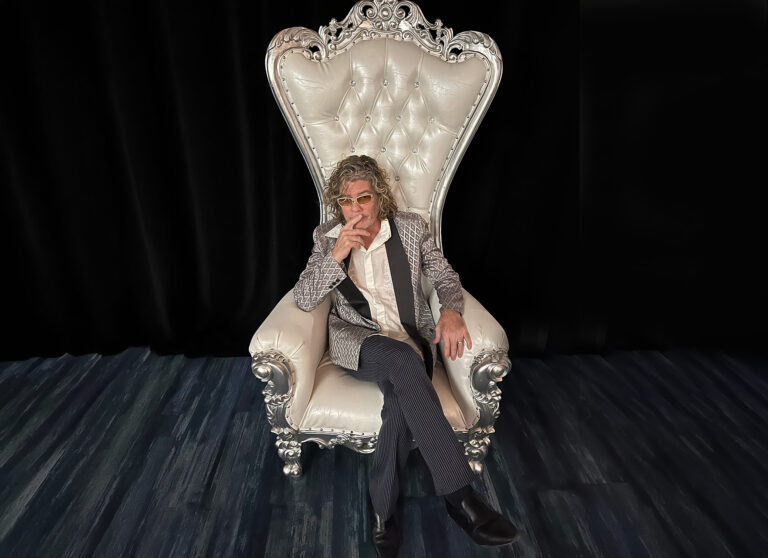
Founder and frontman “Brother Phil” Esposito’s dynamic personality made him the Paul Shaffer to host David Downing’s Letterman.
Esposito said being the house band for their friend’s show is an “exercise in discipline” for the timing and abrupt stops and starts.
“We do the same thing we do for a long time,” he said, “and you can get complacent and comfortable, and everyone says, ‘Oh, you guys are great. We love you.’ There’s a point where you do it so often that sometimes it’s not challenging. So something like that show can be very challenging.”
The Black Honkeys Band formed in September 2000, with Esposito, guitarist Joe Sanders and bass play Wil “The Thrill” Harris. By New Year’s Eve of that year, with the addition of drummer Mike Hammer and a keyboard and saxophone player, they played their first show at the now-shuttered Club More in Clearwater.
Early on, the band wanted to have a Motown, early Rolling Stones vibe, with a bluesy-rock Black Crowes-style sound. It was always their intention to make and play original music and pepper their shows with cover songs, Esposito said.
The band’s name comes from an affectionate nickname Esposito got growing up in Clearwater in a mostly Black neighborhood. He said that even though he’s had other bands — he was the frontman for the popular Red Hot Chili Peppers-inspired Freaks Rule — he felt it was appropriate to name this one The Black Honkeys because of its diverse lineup of Black and white members.
“We’re doing mostly R&B and Black music, I call it, because everything comes from the blues,” he said. “I have no qualms saying that without Black man’s blues, there would be no rock and roll.”
One year in, drummer Steven Tanner joined and is still in the band. A fateful meeting with keyboard player Tommy Thompson proved fortuitous and they became a five-piece. They became well-established at that point, Esposito said.
By playing more gigs, they caught the attention of the agent Dennis Bailey, who got them the coveted gig playing the popular Blue Martini bars in Tampa. They added saxophonist Ronnie Dee — son of the legendary Joey Dee of the Starlighters fame. In 2005, guitarist Greg Czinke joined and with that lineup, they became the “darlings” of the Blue Martini circuit playing at locations throughout the state. They added a female vocalist who has since left and horn section Terry Clark (trumpet) and Scott Myers (trombone), who are both still in the band.
After a few years Dee left to play with the Greg Billings band and Thompson tragically died. But Esposito said everyone in the current lineup has been in the band for at least 15 years.
Guitarist Billy Summer, who played with Esposito in Freaks Rule has been playing with the band since 2006. Esposito calls him “the golden boy” and a “critically acclaimed local rock legend.”
Vocalist Nicole Simone and keyboard player John Dash Dixon joined in 2011. Renowned percussionist Gumbi Ortiz is an unofficial member who joins on occasion, when he’s not busy touring with Al Di Meola.
“Every person that I’ve played with — because they were all such great musicians as I came through the ranks — was almost an acknowledgement by the universe saying ‘you’re on the right track,’ because these talented people are believing in you enough to risk their reputation and allowing me to front a band with these uber-talented people,” Esposito said.
The band has recorded multiple albums of original music which is available on Spotify and Apple Music. They had the opportunity to record with Ortiz’s son, the esteemed producer Rook Flair of the powerhouse production company J.U.S.T.I.C.E. League. Ortiz also arranged for the band to play with the legendary Cyril Neville of The Neville Brothers on their original song, “Pumpin’.” The Black Honkeys also appeared playing an original song in the film “The Plus One,” which was filmed in Clearwater. Esposito is not only the frontman, he books all the shows and makes arrangements for the band, such as having their equipment set up for them and getting deposits. Appearances mean a lot to him.
“Joey Dee … always told me, If you act like you deserve it, you’ll get what you want,” he said. “Perception is everything. If you have to pay to arrive in the limousine to look like a rock star, then you do that.”
Just before the pandemic hit, Esposito planned a small tour for the band, traveling on a proper tour bus. But when COVID-19 shut down those plans, he used the money as The Black Honkeys stimulus program to pay the band members.
Esposito’s passion and professionalism are likely the reasons why the bands current lineup has endured.
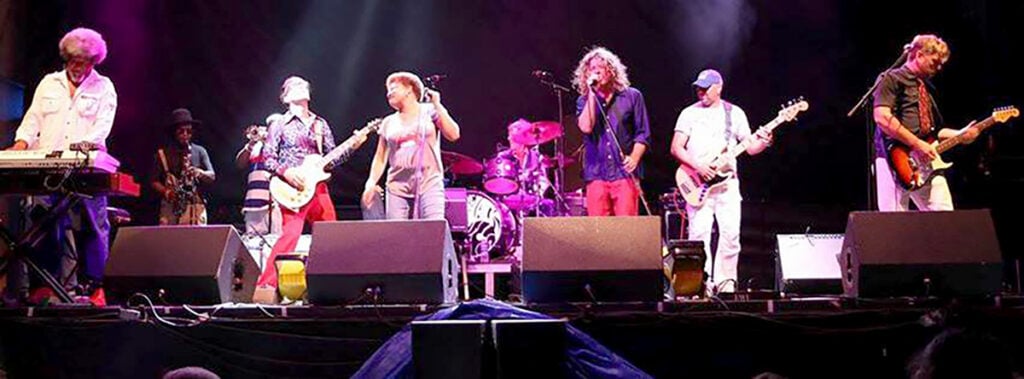
This 10 piece line that we’ve had has been very stable for quite some time. We’re still doing what we’re doing, just having a good time. There’s lots of interesting, fun things still happening,” he said. •
After Venus: Museum of Fine Arts, St. Petersburg: May 16 – August 30, 2026 Forest Bathing: Leepa-Rattner Museum of Art: June 27 – December 6, 2026
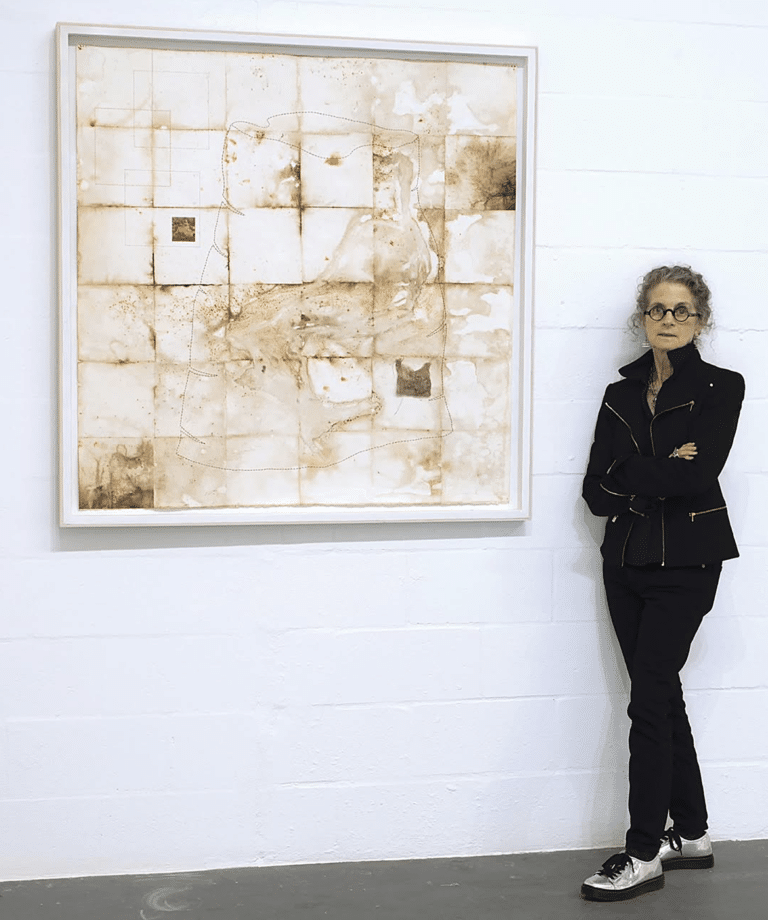
Babs Reingold, a St. Petersburg. Fl based contemporary artist whose work bridges ecological awareness, material sensitivity, and conceptual inquiry. Over several decades, she has developed a practice centered on the relationship between humans and the natural world, using visual language to explore fragility, strength, interdependence, and transformation.
Reingold’s artistic history reflects a steady evolution from more traditional forms into installation-based and conceptual work. Early in her career, she engaged with painting and object-making.
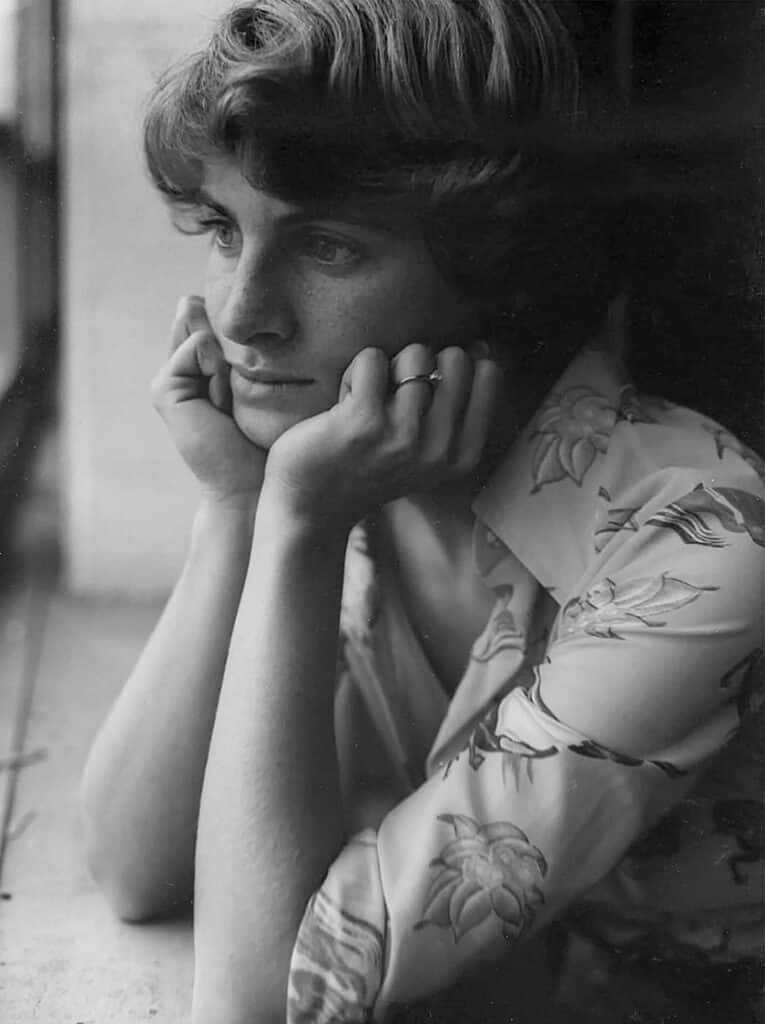
Babs at 23 years of age: “Photograph by Thomas Fenn”
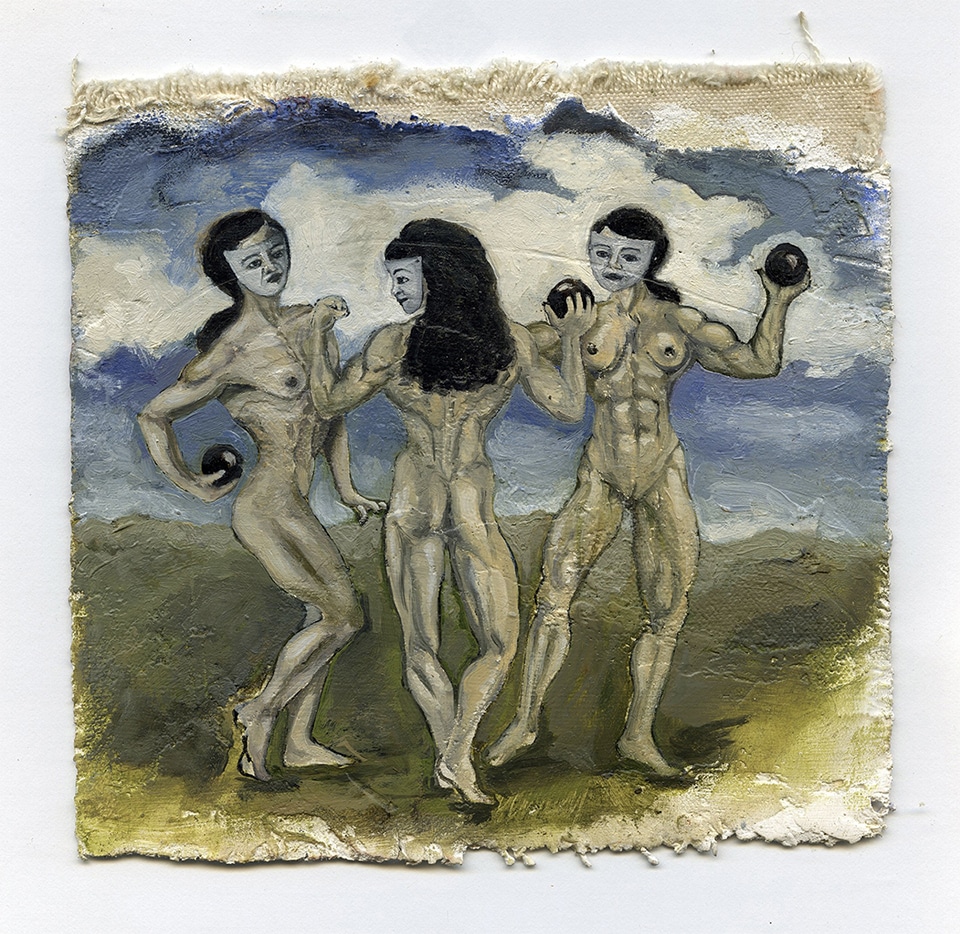
In the 1990s, Reingold produced a body of work centered on women bodybuilders, marking a distinct and more figurative phase in her career before her later shift into installation and ecological themes.
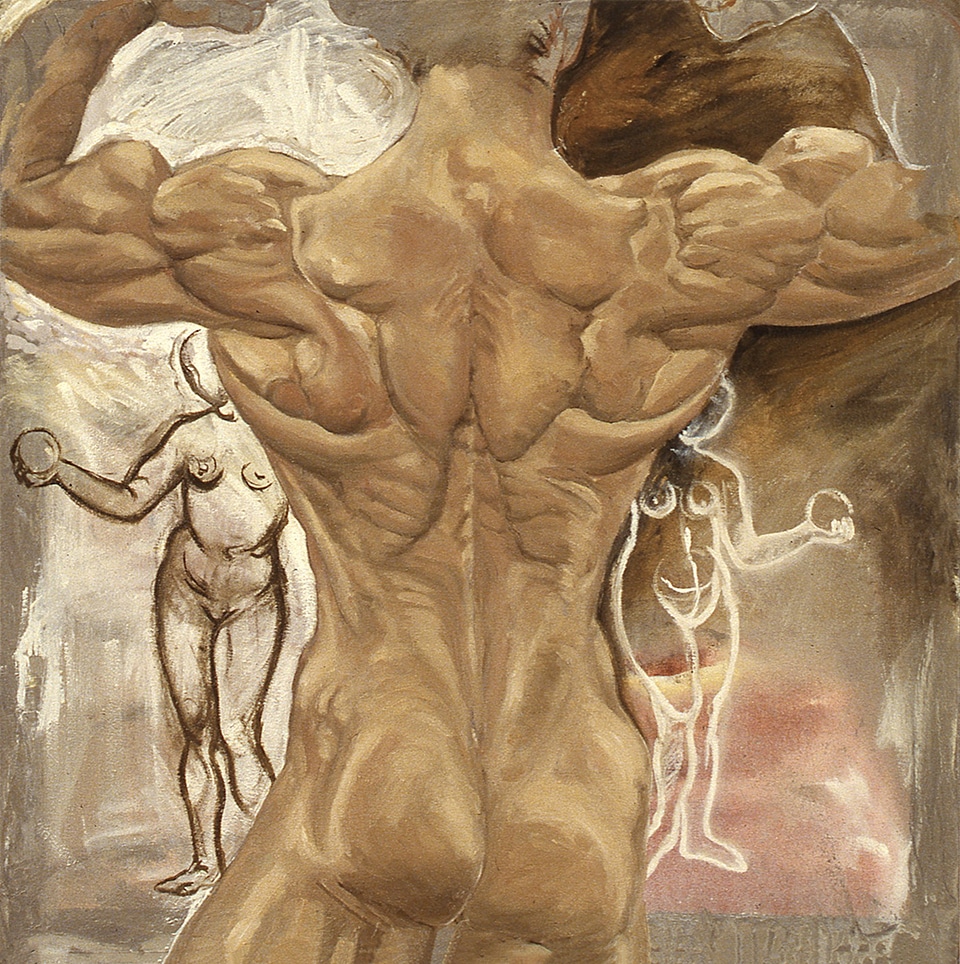
These works typically took the form of drawings, paintings, and mixed-media pieces that focused on the highly sculpted female body. Rather than presenting bodybuilders purely as symbols of strength or spectacle, Reingold approached them as complex figures that challenged conventional ideas of femininity.
More recently, Reingold’s work has shifted toward immersive installations that incorporate sculpture, drawing, and found materials. This transition has aligned her more closely with movements such as Minimalism and Conceptual Art.
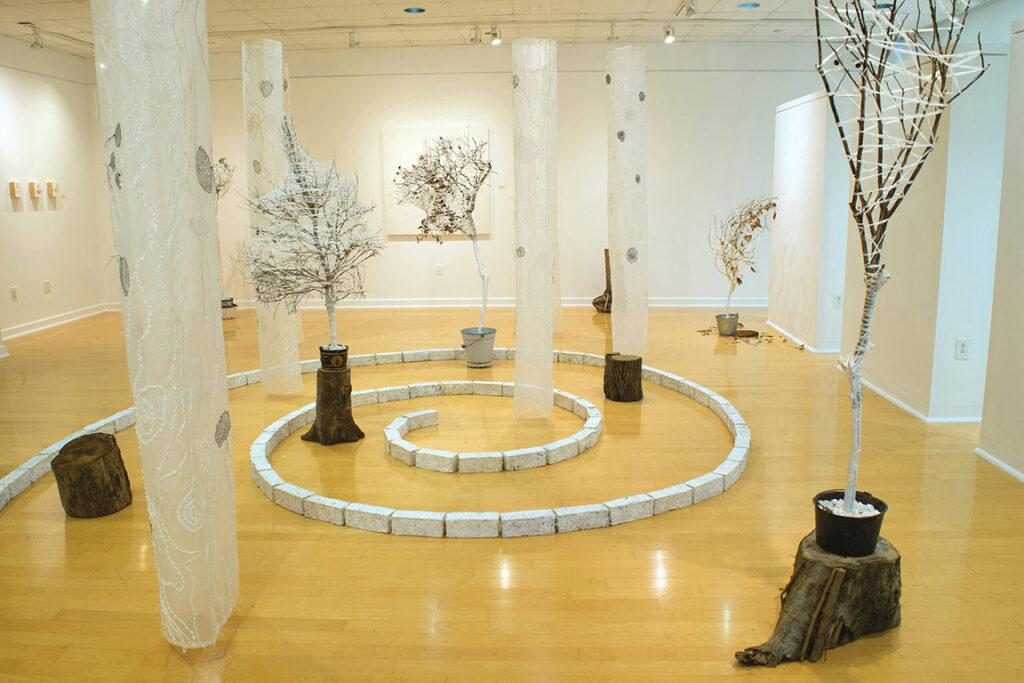
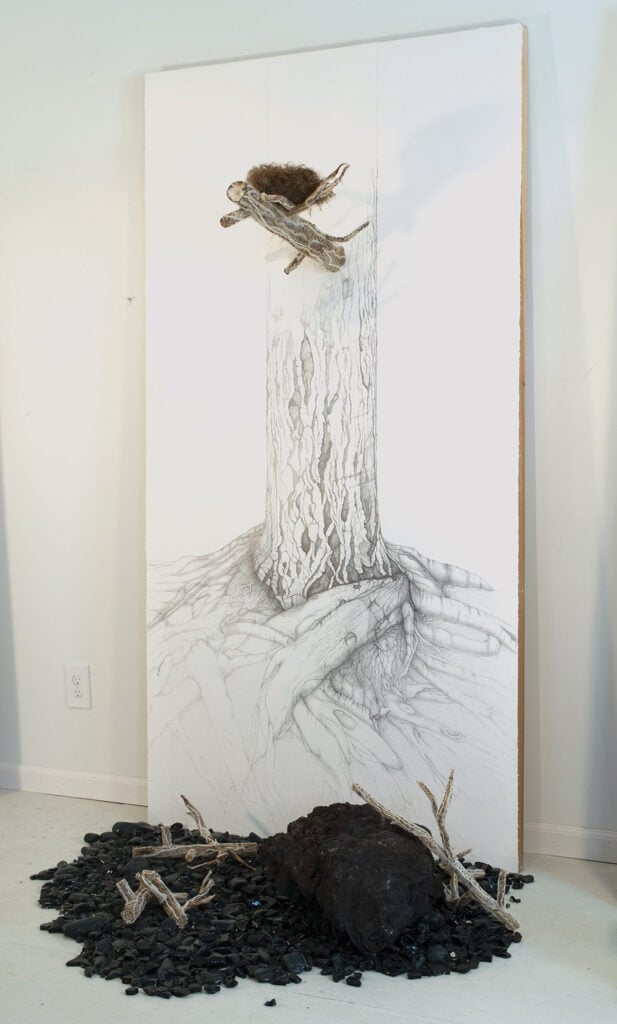
Her installations are defined by the use of organic materials; wood, paper, silk, stone, and even human hair. Rather than dominating the space, they tend to exist in quiet balance. Forms are frequently suggestive of natural systems: nests, trees, root structures, or fragile networks that appear to grow, erode, or shift over time. Light and shadow also play a crucial role, subtly altering the perception of each piece.
Today, Reingold’s work is recognized for its meditative quality and its contribution to environmentally engaged contemporary art. By combining conceptual rigor with material choices, she has built a body of work that encourages reflection on both the physical environment and our place within it.
Her work is in the permanent collections of the Newark Museum, NJ; Museum of Fine Arts, St. Petersburg, FL; Burchfield Penney Art Center Museum, Buffalo, NY; Leepa Rattner Museum of Fine Art, Tarpon Springs, FL; Hillsborough Community College, Tampa, FL; and Savannah College of Art and Design, GA. Reingold has an MFA in painting from SUNY-Buffalo and a BFA from Cleveland Institute of Art. •
After Venus
Museum of Fine Arts, St. Petersburg, FL – Solo exhibit of works from the 90s of Women Bodybuilders juxtaposed to iconic male masterworks and ancient symbols of women and fertility. May 16 – August 30, 2026
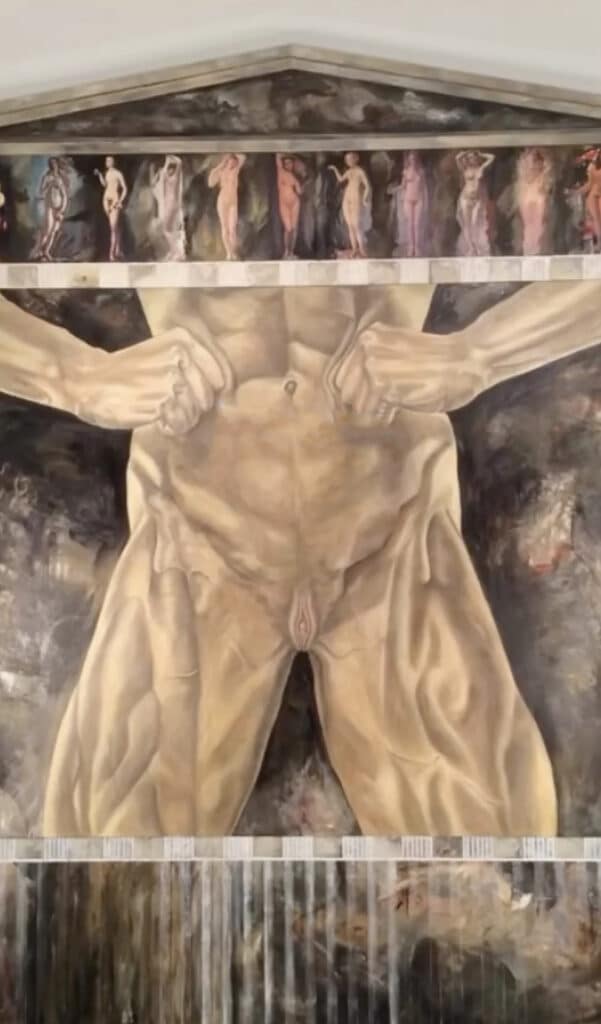
“After Venus”, 1991, oil, modeling paste, and collage on canvas, 72w x 112h inches“Origin: After Courbet” 1993 (detail – left panel) oil on canvas“After Venus: Three Graces” 1993, 8w x 8h inches Oil and modeling paste on canvas on cradled board
From 1990 to1998, Reingold delved into the world of women’s bodybuilding with After Venus, finding a sense of empowerment in the chiseled bodies of female weightlifters that strikingly contrast the soft, curvilinear female ideals of the past. Reingold brings together appropriated art, historical images, ancient fertility symbols, and the recent history of women’s bodybuilding to create a series that investigates the gendered power of muscularity. The series includes large-scale drawings, paintings, monotypes, and encaustic collages, many of which have never been publicly exhibited. At a time when human bodies are increasingly policed and regulated, After Venus unabashedly expresses a woman-centered strength that actively works against easy objectification.
The exhibition’s title draws inspiration from Upper Paleolithic-era “Venus” figurines that have been found throughout Europe and Asia. This notably includes the Venus of Willendorf (c. 30,000 BCE) discovered in 1908 in northern Austria. Accompanying After Venus will be select objects from the museum’s collection, examining the history of these diverse, enigmatic figures. •
Forest Bathing
Includes the series “Hair Nest” and “Lost Trees”at the Leepa Rattner Museum of Art, Tarpon Springs, FL June 27 – December 6, 2026
Reingold will have a significant upcoming solo exhibition at the Leepa-Rattner Museum of Art titled Forest Bathing, opening June 27 through December 6, 2026.
At the core of Forest Bathing is an immersive installation environment that brings together two of her ongoing series, Hair Nest and Lost Trees.
“Lost Trees”, 2022 Silk organza, cotton organza, yarn, thread, graphite on panel prepared with modeling paste, wood stumps and branches, old pails, various stones and polished glass, enamel paint, upcycled cast paper bricks from junk mail and old files. About 32 x 26 feet
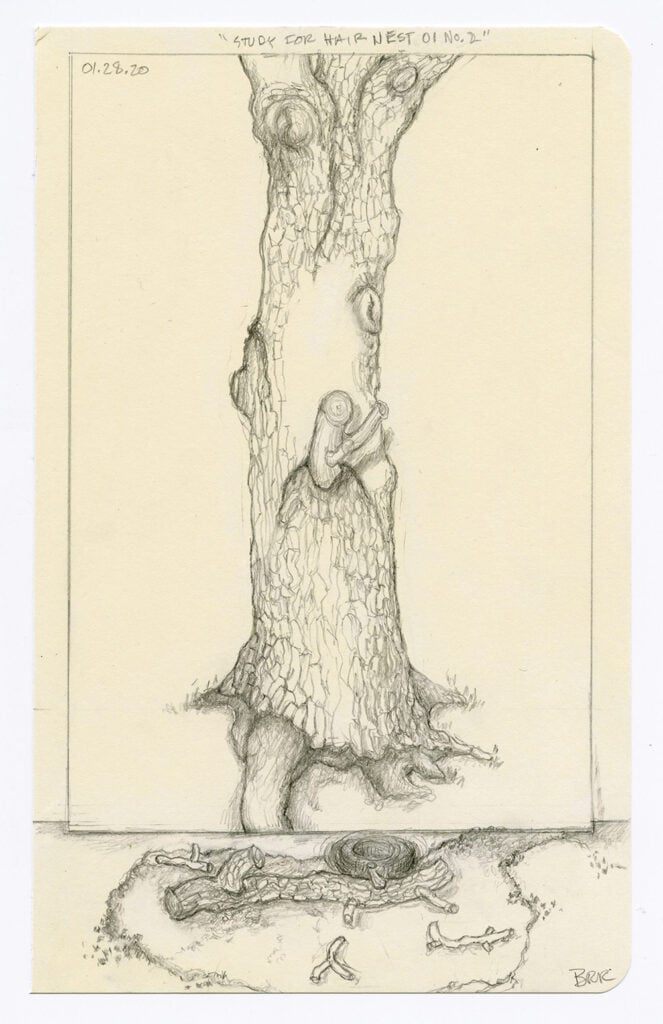
“Hair Nest ’16”, 2021, 60 w x 84 h x 52 d inches Graphite on paper and modeling paste on panel“Study for Hair Nest 01 No.2”, 2020 Graphite on moleskin paper, 5×8 inches
The work itself centers on sculptural forms made from salvaged wood, silk organza, graphite drawings, and even the artist’s own collected hair. These materials are transformed into tree-like structures, and ground-based installations that evoke what she calls a “ghost forest.” Visitors move through arrangements of wrapped branches, stitched translucent columns, and rooted forms set in stone-filled containers, creating a spatial experience, with sound, that balances fragility with endurance.
Conceptually, the exhibition will engage with climate change, ecological loss, and the emotional resonance of nature. The Lost Trees series pays tribute to individual trees as living systems marked by damage, growth, and survival, while Hair Nest introduces a more intimate, bodily dimension—using hair as a material that carries both personal and symbolic weight. Together, these elements emphasize interconnectedness between human life and environmental systems. •