Art Unbound: Reimagined Museum of Fine Arts
The Museum of Fine Arts in St. Petersburg, Florida, is, and has been, a nationally and internationally recognized icon in the world of fine art. Its exhibits are current and profound, bringing cultural intelligence and beauty to the Tampa Bay area. Its current collection is substantial and growing. It has been curated and presented to the public in a professional and standard linear fashion over time.
This curation of the museum’s collection has traditionally presented works that fit together based more on a timeline than on anything else, including subject matter or “theme.” Baroque goes with Baroque. Early Modernism sits beside Early Modernism, etc. A visitor experiencing the museum easily ties together the progression of art throughout history. Traditionally, art museums are, or have been, historical records. You do not see medieval art presented next to postmodern or contemporary work. Museums have been places to appreciate and study art, not so much places to allow emotions to roam.
That is changing.
Art Unbound brings a renaissance of sorts to the MFA. Conceptually speaking, the whole museum is becoming something new. It is being reconsidered, rearranged, and reborn. All museums have a choice as to how to present their collections to the public through tradition and curation.
Curation is the thoughtful selection, organization, and presentation of works or information to create a meaningful experience.
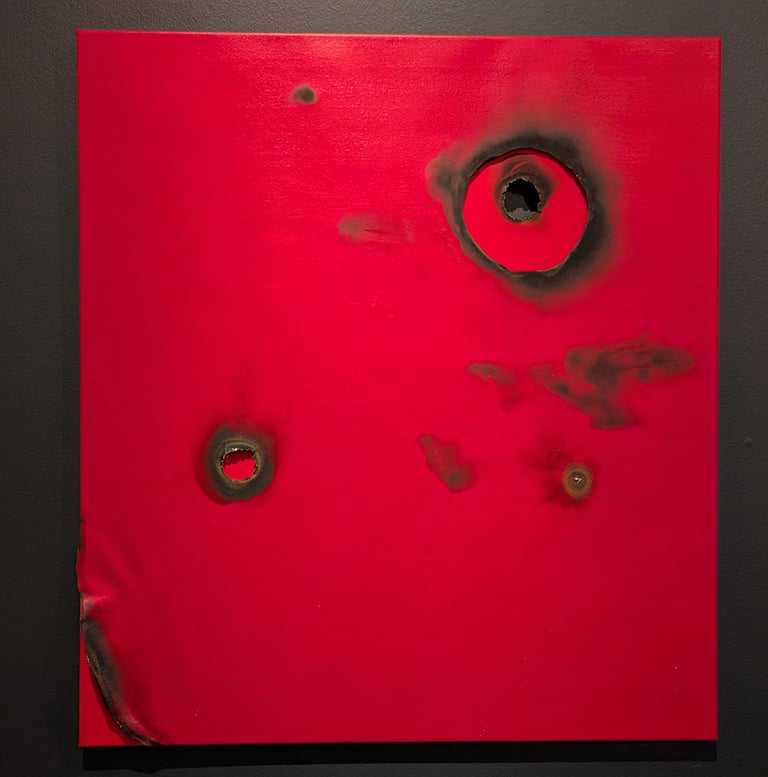
While art curators have been educated and trained in a certain, shall we say, traditional way, what would happen if the actual creativity within curators were unleashed? What if they were free to judge, choose, and present in a nontraditional way? What we are seeing at the MFA with Art Unbound is a significant reconsideration of how its permanent collection is organized, interpreted, and experienced. Shared themes: identity, nature, power, beauty, love, spirituality, and others override the historical linear timeline of presentation. A room expressing spirituality will present works from any period or geographic area side by side.
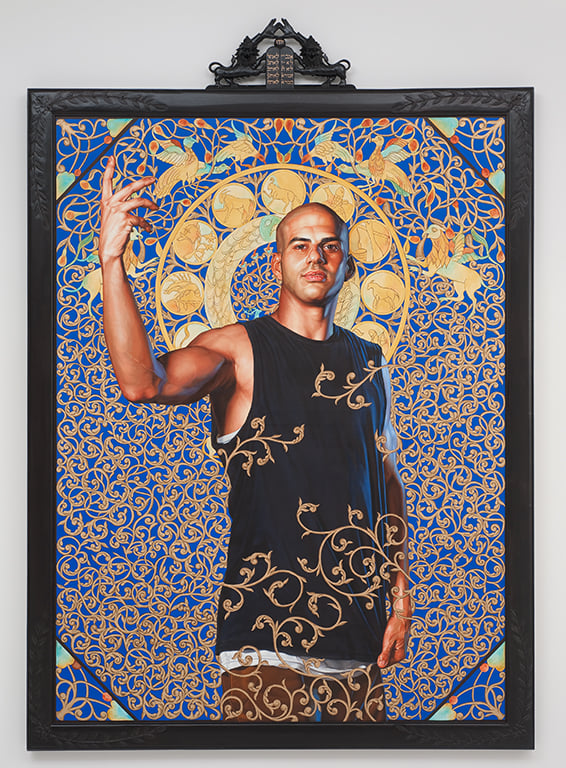
- Kehinde Wiley (American, b. 1977), Leviathan Zodiac from the series World Stage: Israel, 2011. Oil and gold enamel on canvas with custom wood frame. 95 3/4 × 71 3/4 in. 95 3/4 × 71 3/4 in. Acquired from the Collection of Blake Byrne, Los Angeles. Museum purchase with funds donated by the Collectors Circle for its 25th Anniversary with additional funds from James G.Sweeny 2019.11
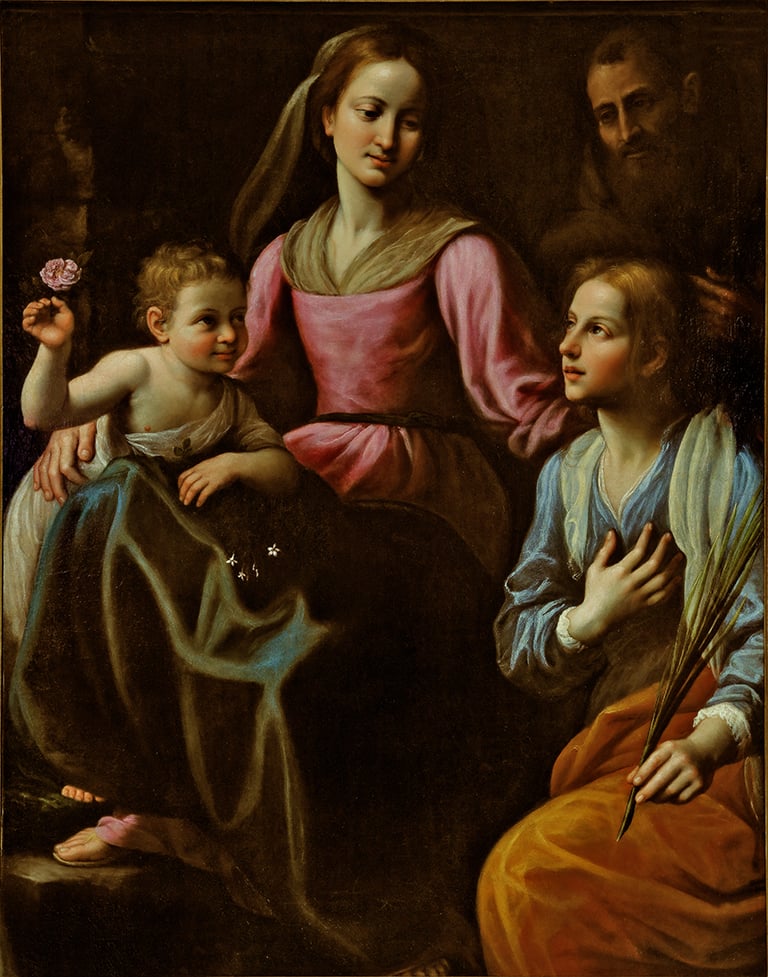
- Fabrizio Santafede, Italian, c. 1560–c. 1634. The Mystic Marriage of St. Catherine, c. 1606–1632. Oil on canvas. 51 1/2 × 40 1/2 in. Gift of the Stuart Society 2000.2
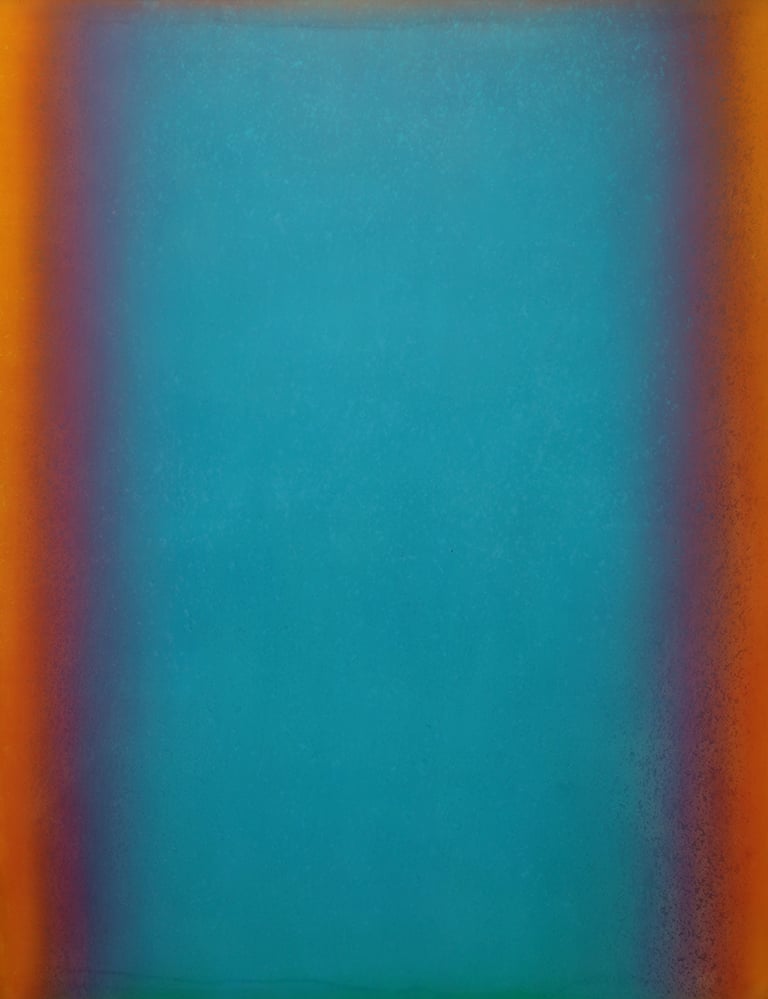
- Leon Berkowitz (American, 1911–1987), Big Blue, c. 1970. Oil on canvas. 70 × 88 in. Gift of Mr. and Mrs. Leon Berkowitz 1980.4
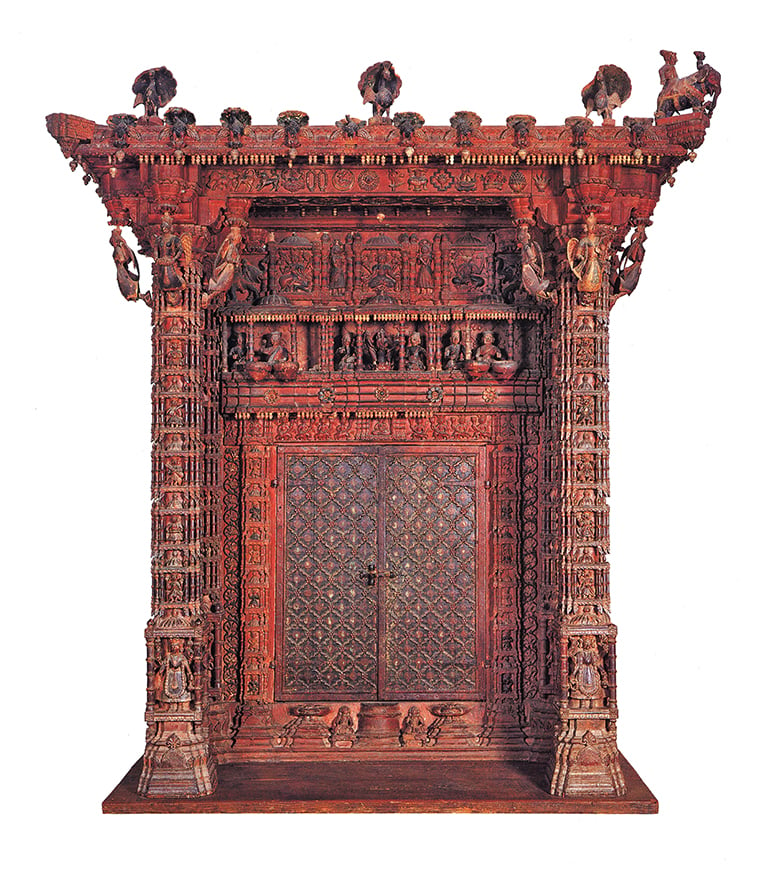
- Gujarat Area (Indian), Jain Shrine, c. 1700–1800. Carved and painted wood; metal fittings. 69 1/2 × 98 1/2 × 32 in. Gift of Louis E. Seley and sons Hervey and Elliott, Jr. 1966.18
- Indian, Shiva Nataraja, c. 1800–1900. Bronze42 1/2 × 32 × 13 1/4 in. Gift of William C. Luban 1983.15
- Antonio Pichilla Quiacain (Guatemalan, b. 1982), Untitled, c. 2020. Oil on canvas.
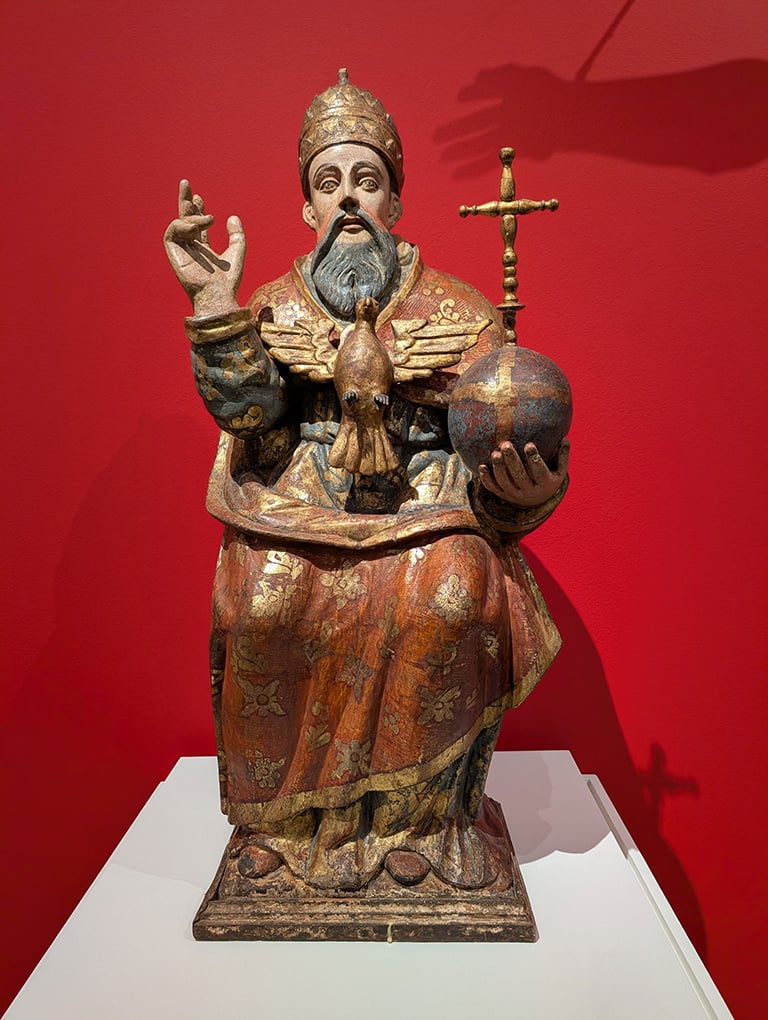
On loan from the collection of Chris Eaton - Unknown Artist, Guatemalan
God the Father and the Holy Spirit, c. 1800. Wood, painted and gilded. On Loan from the Collection of Chitranee and Robert Drapkin
This gives us the opportunity to contemplate what art is truly meant to be: a reflection of not only what we see in the world but also how we feel and interpret what we see. And while the history of art in all its linear glory is still open to study by those interested in how we got here from there, we all ultimately want a better understanding of who we are through art.
Love in the 17th century may be no different from love in the 21st century. But when you place a painting of love from the 17th century next to a painting of love from the 21st century, the door opens to a more intense emotional contemplation—one that we inject ourselves into, as opposed to a scholarly understanding of a timeline that makes us intelligent but unemotional.
Set art free to be!
This is not a question of the scholarly study of art versus getting lost in emotional willy-nillyness. Art Unbound at the MFA is a way of seeing its collection through a new lens. While it upends tradition, it brings into focus the ties that art has to the human condition and, ultimately, why art is created to begin with. There is nothing in our history that says that art should be presented to the public in a scientific or scholarly way. That is an egotistical “we know how you should experience art” approach. It is antithetical to the core purpose of art. We should all be free to experience and interpret art in our own way. The new curatorial direction at the MFA is a way for this to happen.
Art Unbound opens the door to your mind, imagination, and emotions. It is more than a rearrangement of paintings. It is an expression of what the Museum of Fine Arts believes a museum should be in the twenty-first century.
We agree!
- The collection is scheduled to open November 21, 2026. Museum of Fine Arts, St. Petersburg, 255 Beach Drive NE. Details: mfastpete.org.*