

A Creative Home for Every Generation
In the heart of Carrollwood sits a place that has quietly, steadily transformed into one of Tampa Bay’s most busy artistic hubs. Carrollwood Cultural Center began as a repurposed church with a green roof has grown into a multi-arts campus filled with theatre, concerts, galleries, classes, festivals, and a sense of belonging that keeps people returning year after year. The transformation is visible in every corner of the campus, from the Main Theatre to The Studio and gathering spaces that now pulse with activity throughout the week.
Executive Director Paul Berg has guided the Center through each stage of that evolution. “Early in the history of the Center we went through a very difficult period,” he said. “What came out of that time was a stronger organization internally.”
That foundation helped the Center adapt quickly during COVID, shifting to online classes and emerging into a period of renewed growth. Facilities Director Rob Curry remembers the early days vividly. “I remember going into what is now the Main Theatre and removing freshly sealed plastic from the chairs and a time where there was no sound or lighting equipment,” he said.
The contrast with today is striking. “Our programming doubled, tripled, then quadrupled. We have gone from being a newly renovated building in a community to being that unique jewel and a sought-out Google search for things to do.”
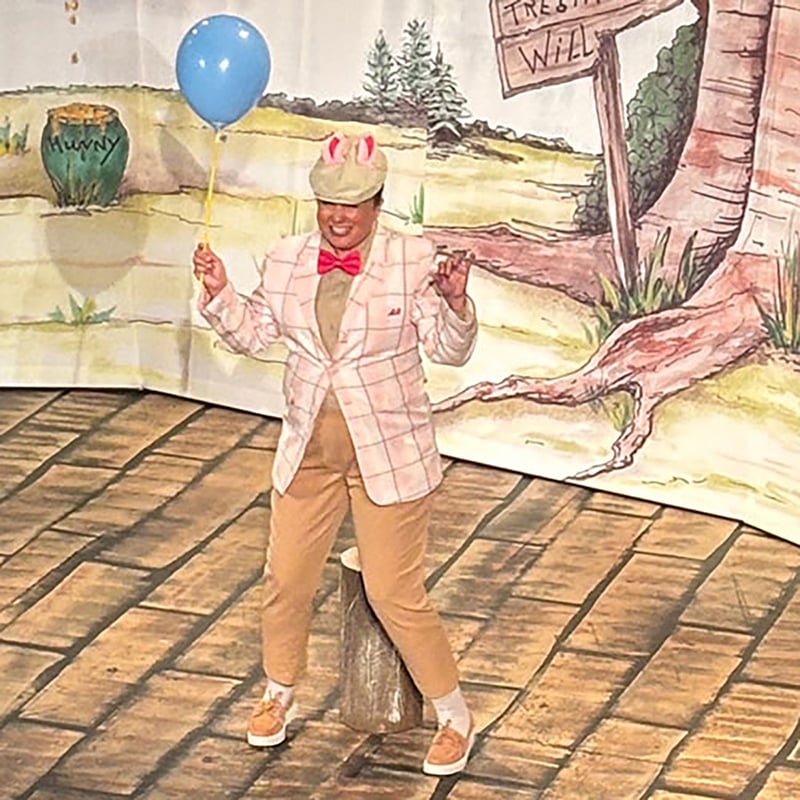
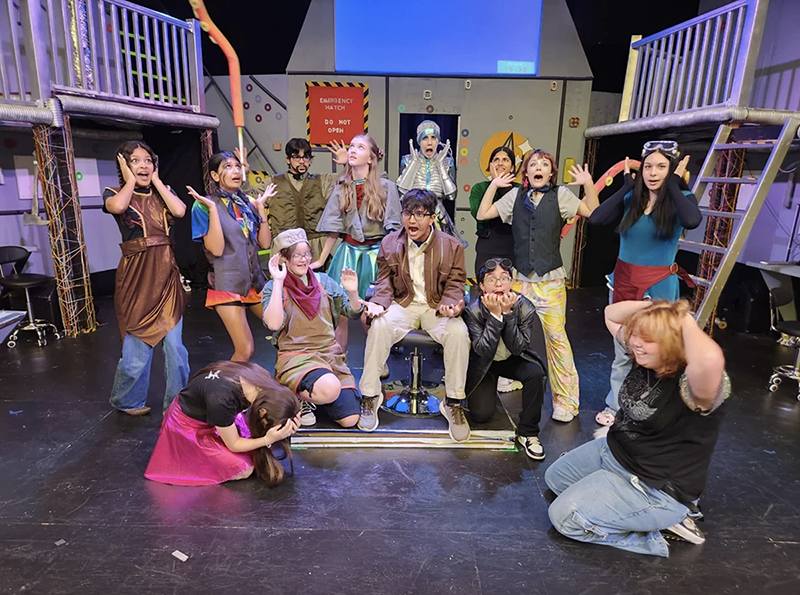
Marketing Director Adrienne Hutelmyer recalls the long nights when Paul, Rob and she flipped the theatre after late events to prepare for the next morning. “The three of us may not have realized it in 2008, but they were about to be part of something truly special,” she said. That sense of shared purpose continues to shape the Center’s identity. The campus now supports a full season of theatre, youth intensives, improv, concerts, staged readings, and events that bring people together in ways that feel personal and lasting.
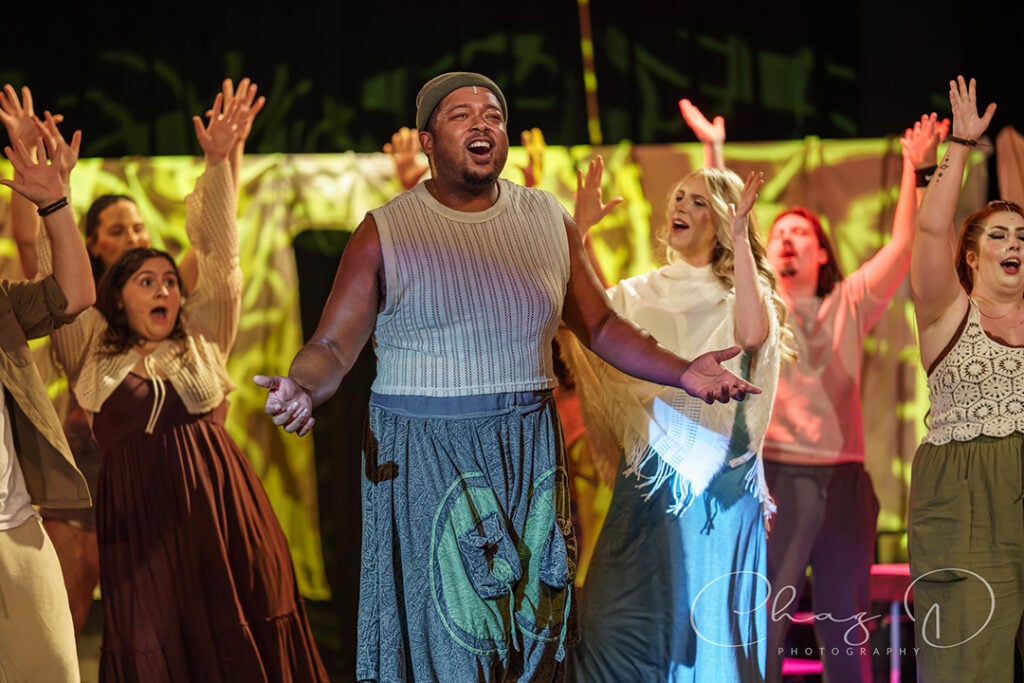
Berg’s connection to theatre runs deep. “I began in theatre when I was in third grade and continued to work as an actor and director ranging from community theatre to professional theatre and film,” he said. He sees each production as an opportunity to welcome newcomers and pair them with seasoned performers. “The bonds that form when putting on any type of theatre are extraordinary and they last.”
Artistic Director Chris Holcom, who joined the Center in 2023, approaches programming with a focus on range and discovery. “Variety is the spice of life,” he said. “We have an established demographic but we’re always trying to expand our audience, so the challenge of trying to find offerings that speak to audiences of all ages can be very rewarding if we get it right.”
Holcom is especially enthusiastic about the staged reading series, which highlights new work by local playwrights. “It really comes down to interesting people with interesting ideas and a voice that can share them,” he said.
The partnership with Tampa Metropolitan Improv has become an energizing part of the Center’s artistic landscape. Berg sees the collaboration as a natural extension of long‑standing relationships with performers in the group. “Anytime you can collaborate with another creative organization it is a great thing,” he said. “We have known individuals from the group for years and when they reformed it seemed like such a natural fit for us. It has been a great partnership for all of us.”
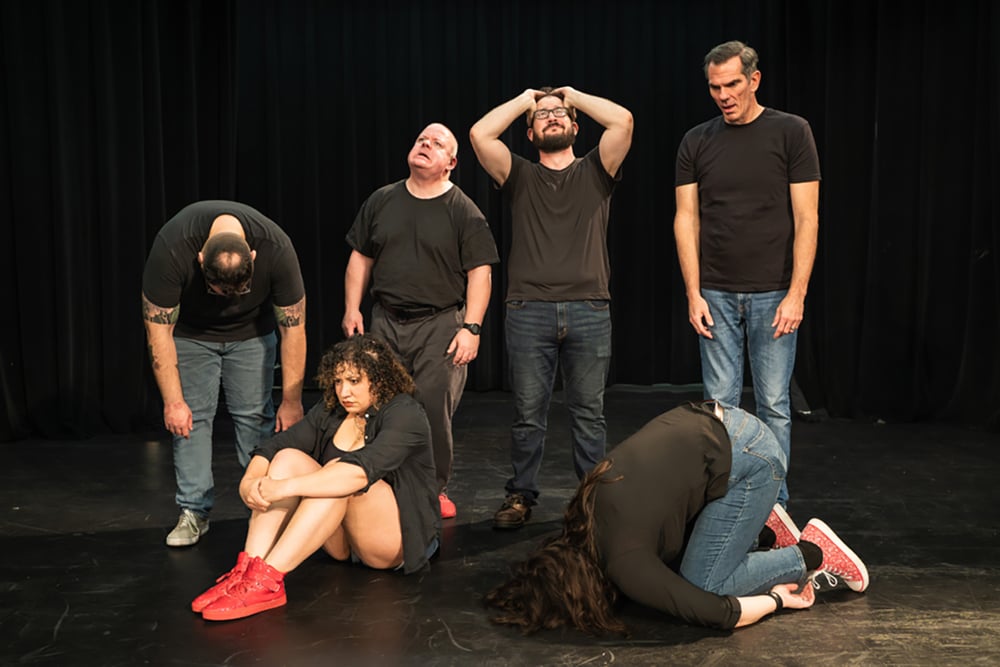
Hutelmyer echoes that enthusiasm from a marketing perspective. “TMI is the best and they are so creative,” she said. She highlightstheir work specifically to comedy and theatre patrons and follows their social media closely. “Their content is hilarious and honestly sells itself. I just help give them more exposure.” Their presence adds a lively, contemporary dimension to the season, connecting the Center’s mission with a new generation of performers and audiences.
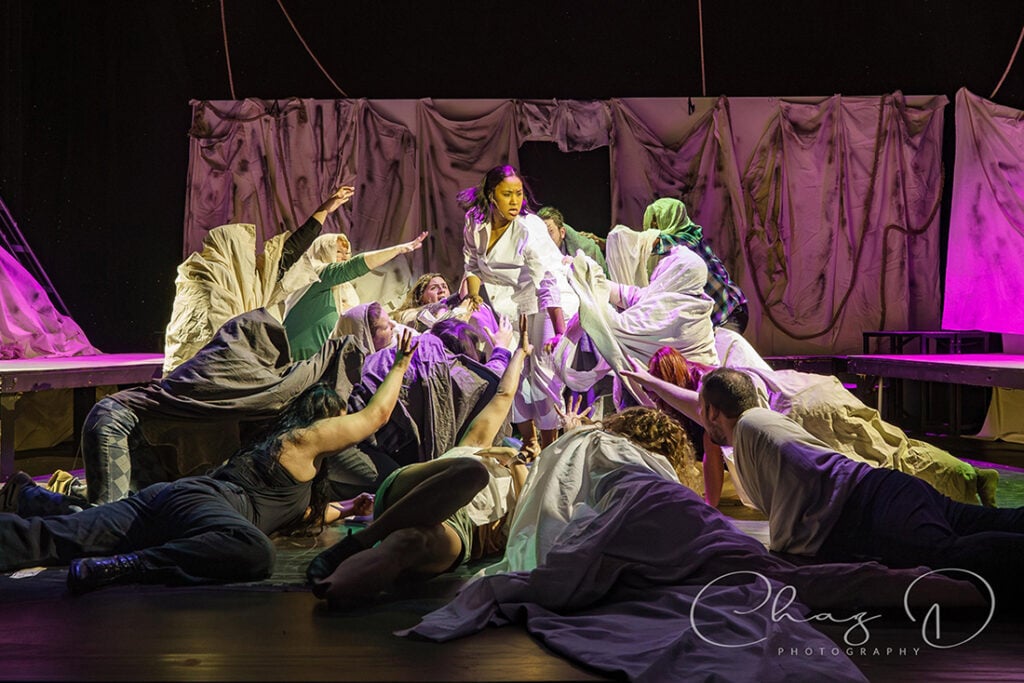
Holcom also looks forward to stretching the technical and creative possibilities of MAS Theatre. “New technical innovations and interesting staging combined with solid stories can defy audience expectations,” he said. His approach aligns with Berg’s belief that supporting new work is essential.
“New work is the heart of creativity,” Berg said. “We have a responsibility to foster new art work, whether that is visual art or the written word.”
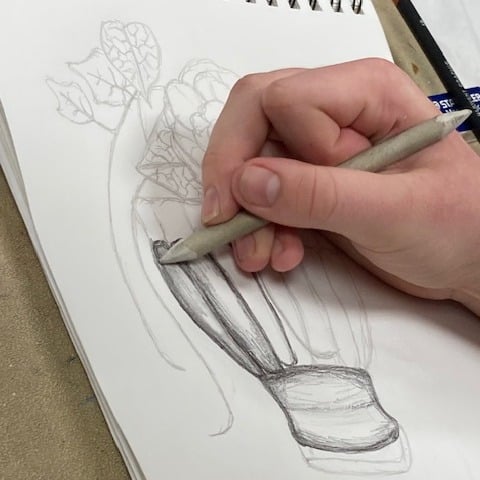
Education Director Katie Castonguay has watched the Center’s classes expand rapidly in response to community interest. “I have seen an overall increase in the necessity for art as an expressive outlet and desire to learn a new skill,” she said.
The Center now offers Teen Mural, American Sign Language, Painting in Pastels, Learning to Read Music, Line Dancing, and more. “A strength of the Center and its staff is their ability to be flexible and creative with new endeavors,” she said. “We are consistently open to new ideas and expanding our horizons.”
Castonguay sees the youth programs as a powerful reflection of the Center’s future. “I see the youth that will continue each of these art forms and nurture community need for artistic expression for the next generations because of their experience within our walls,” she said. “We raise them to run it in the future.” She keeps a running document of ideas gathered from students throughout the year, ensuring their voices shape future programming.
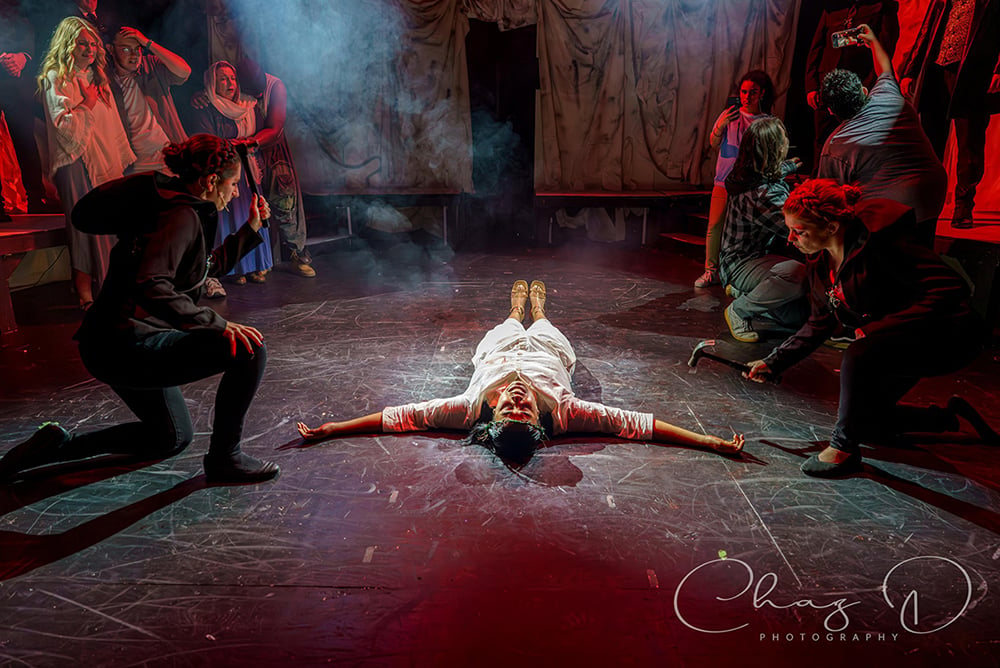
Summer camps remain one of Berg’s favorite parts of the year. “The energy, creativity and talent that children bring always amazes me,” he said.
This summer introduces camp tech positions for young people who gravitate toward lighting, costumes, and backstage work. “I am really excited to watch the kids grow as they learn new skills and to sit back and watch them perform is a really amazing thing.”
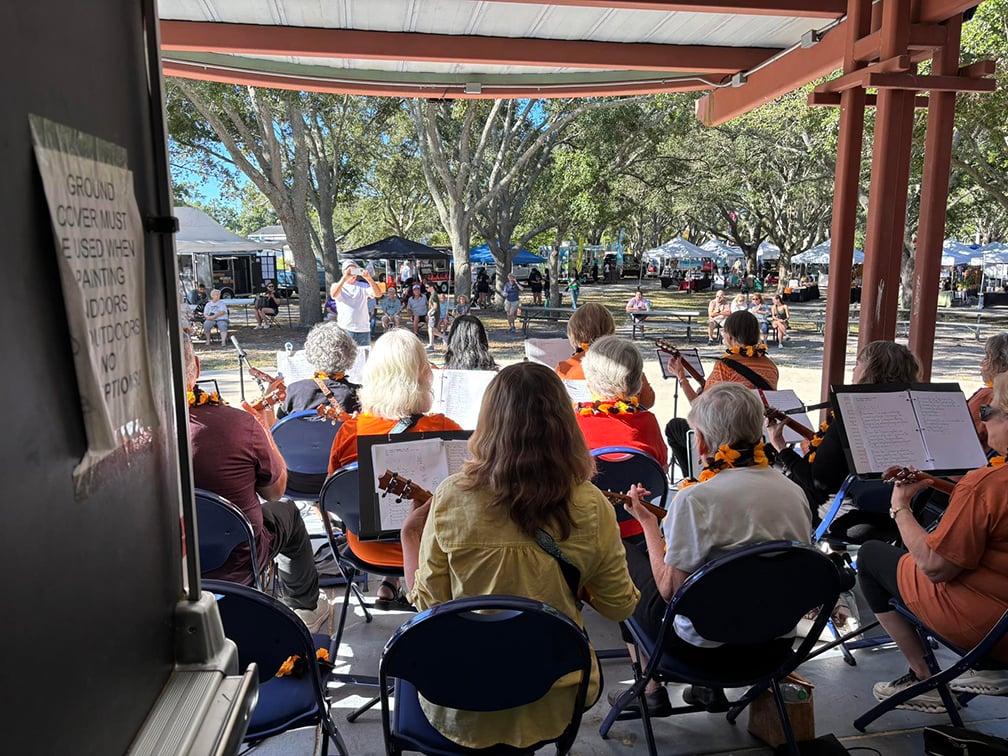
The Center’s calendar extends far beyond classes and theatre. Outdoor festivals, community yard sales, jazz concerts, big band performances, and many other celebrations fill the year. Berg sees these events as essential to the Center’s mission. “The festivals are all about giving back to the community,” he said. “They are opportunities for the entire family, including pets, to come out and enjoy a day together.”
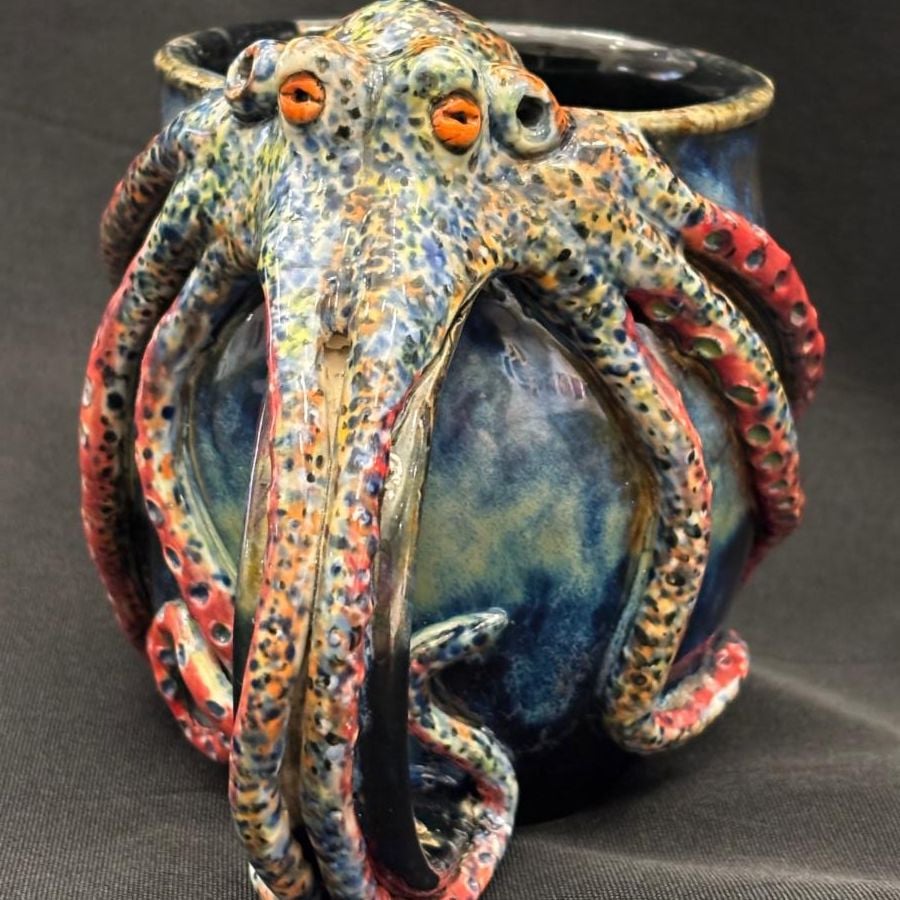
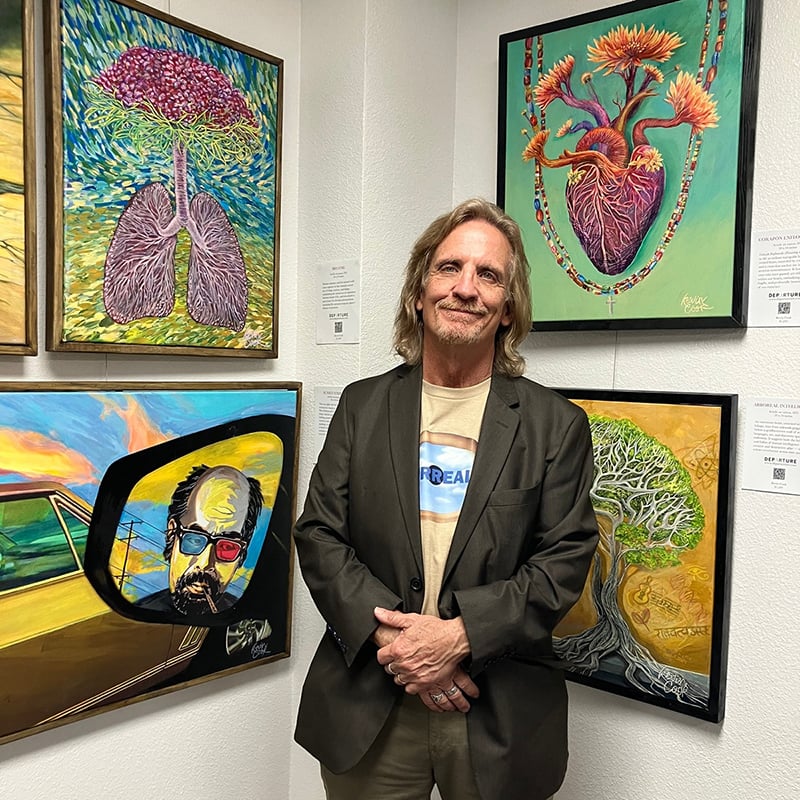
The galleries add another layer to the Center’s identity. Rotating exhibitions, online auctions, and opportunities for local artists to showcase their work create a steady rhythm of discovery. The visual arts program has grown alongside the performing arts, offering painters, sculptors, photographers, and mixed‑media artists a place to share their craft. The galleries often serve as a first point of entry for new visitors who later explore classes or performances, creating a natural flow between disciplines.
Hutelmyer’s marketing approach has grown alongside the Center’s expanding offerings. She schedules major campaigns a year in advance to ensure each program receives its moment. “It’s a carefully choreographed dance,” she said. Yet the heart of her strategy remains unchanged. “I’ve always said our best form of marketing is word-of-mouth,” she said. “Being part of the Center shouldn’t be work. It should be where you go to just be.”
She carries countless stories that illustrate the Center’s impact. One involves a 96-year-old man named Laddie who decided to learn the horn for the first time and joined the New Horizons band. Another centers on Sebastian Hagelstein, the Center’s first youth theatre student, who later returned as a playwright to watch an audience experience his work. She also points to Devan Bittinger, whose talents span choreography, costume design, props, percussion, performance, and instruction. “She is a Swiss army knife of artistic and creative talent and chooses to share it with us,” Hutelmyer said.
Long‑tenured staff and teaching artists play a significant role in the Center’s continuity. Berg sees their commitment as a reflection of the environment they have built together. “I have staff that have been with the Center since the beginning,” he said. “I have many teachers that have been with us for over ten years.” Their presence creates familiarity for patrons who return season after season, and it strengthens the sense of community that defines the Center.
As the Center looks toward the next decade, Berg hopes to continue growing within the realities of the current economy. Expansion may not be immediate, but innovation remains central. “We look to what can we do to move ourselves forward,” he said.
Carrollwood Cultural Center is located at 4537 Lowell Road, Tampa. Visit carrollwoodcenter.org for more information and a calendar of monthly events. •