


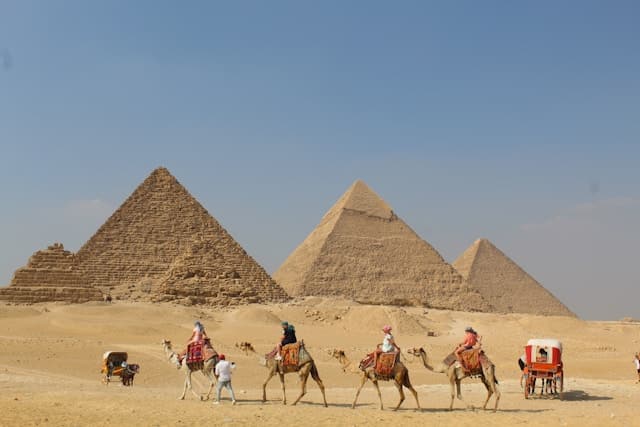
Egypt is a destination that captures the imagination of travelers from around the world. This ancient land offers an unparalleled blend of historical treasures, diverse landscapes, and warm hospitality that makes it a must-visit location for anyone with a passion for exploration and discovery.
A Journey Through Ancient History
Egypt’s historical legacy spans over five thousand years, making it one of the world’s oldest continuous civilizations. The country is home to some of humanity’s most remarkable achievements, from the Great Pyramids to the temples of Luxor and Karnak. The Pharaonic period left behind monuments that continue to astound modern visitors, including the Sphinx, the Valley of the Kings, and countless museums filled with artifacts that tell the story of this extraordinary civilization. For those interested in exploring these iconic landmarks, Giza tours and attractions offer an exceptional starting point to witness the magnificent pyramids and sphinx up close. The Islamic and Coptic heritage adds another rich layer to Egypt’s historical tapestry, with medieval mosques, churches, and fortresses scattered throughout Cairo, Alexandria, and other historic cities. Understanding this deep historical context enhances every moment of your visit, transforming simple sightseeing into a profound connection with human civilization.
Diverse Geography and Natural Wonders
Egypt’s geography is remarkably diverse, offering far more than the desert landscapes commonly associated with the country. The Nile River, the world’s longest river, serves as the lifeblood of the nation, creating a fertile valley that contrasts dramatically with the surrounding deserts. The Eastern and Western Deserts present opportunities for adventure travel, with unique rock formations, oases, and desert safaris. Along the Mediterranean coast, you’ll find beautiful beaches and historic port cities like Alexandria, while the Red Sea coast to the east is renowned for world-class diving and snorkeling among vibrant coral reefs. The Sinai Peninsula offers mountainous terrain, including Mount Sinai, a site of religious significance with breathtaking sunrise views. This geographical diversity means that vacations in egypt can be customized to suit virtually any preference, whether you’re seeking historical exploration, beach relaxation, desert adventures, or underwater experiences.
Climate Conditions and Social Landscape
Egypt enjoys a predominantly desert climate characterized by hot, dry summers and mild winters. The best time to visit for most travelers is between October and April, when temperatures are comfortable for sightseeing and outdoor activities. Summer months from June to August can be extremely hot, particularly in Upper Egypt and the desert regions, with temperatures often exceeding 40°C (104°F). Coastal areas benefit from Mediterranean and Red Sea breezes that moderate temperatures year-round. Egyptian society is warm and welcoming, with hospitality deeply ingrained in the culture. The population is predominantly Arab and Muslim, with a significant Coptic Christian minority, creating a rich cultural blend. Arabic is the official language, though English is widely spoken in tourist areas, hotels, and by tour guides. The society values family, tradition, and respect, and visitors will find Egyptians generally friendly and eager to share their culture. Understanding basic cultural norms, such as modest dress in religious sites and conservative areas, respectful behavior, and the importance of greetings, will enhance your interactions and experiences throughout your journey.
Essential Travel Advice and Tips
Planning your Egyptian adventure requires some practical preparation to ensure a smooth and enjoyable experience. First, arrange your visa in advance or obtain a visa on arrival at Cairo International Airport, depending on your nationality. Book accommodations and major tours ahead of time, especially during peak season, and consider Egypt Private Tour Packages for a more personalized and hassle-free experience with expert local guides. Stay hydrated in the hot climate by drinking plenty of bottled water, and be cautious with street food until your stomach adjusts. Dress modestly, particularly when visiting mosques, churches, and conservative neighborhoods; women should carry a scarf for covering shoulders and head when entering religious sites. Negotiate prices for taxis, souvenirs, and services in markets where bargaining is expected and part of the cultural experience. Keep small bills for tipping, as it’s customary to tip guides, drivers, hotel staff, and service workers. Protect yourself from the strong sun with sunscreen, sunglasses, and hats, especially when visiting outdoor archaeological sites. Be respectful when photographing people and always ask permission first. Exchange some currency to Egyptian pounds for small purchases, though credit cards are accepted in major hotels and restaurants. Finally, purchase comprehensive travel insurance, stay aware of your surroundings, and follow local guidance regarding safe areas to visit. With proper planning and an open mind, your Egyptian journey will be an unforgettable experience filled with wonder, learning, and cherished memories.
Egypt offers travelers an extraordinary opportunity to walk in the footsteps of pharaohs, explore vibrant bazaars, cruise the timeless Nile, and discover natural wonders both above and below the water. By preparing thoughtfully and approaching your visit with cultural sensitivity and enthusiasm, you’ll unlock the full magic of this incredible destination.