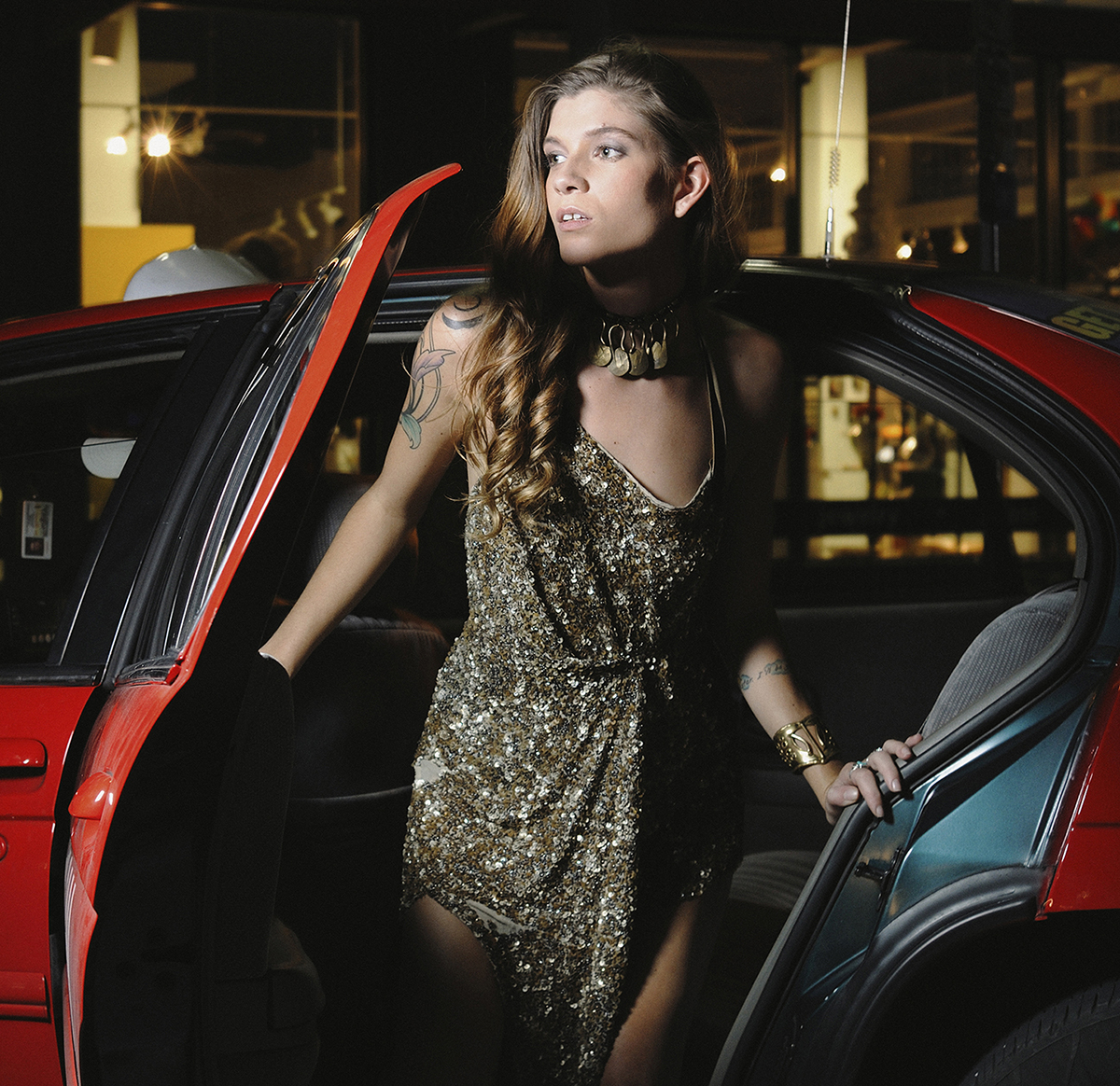
Kimberly Hendrix the Making of a Scene
FASHION UNDERGROUND
As we start this journey into the fashion underground, I want to take us back.
Back to a St. Petersburg that was smaller, grungier, and a little bit hipster. Smoky bars and PBR. Beer pong and nightclubs. An edgy nightlife that felt hopeful and electric. The city was coming out of a recession and a BP oil spill, but something was happening… an energy building beneath the surface. A killer art scene on the water. Gritty, creative, and unpolished. What more could you ask for? (If only we’d bought all the real estate back then.)
Graffiti was taking off. Sebastian Coolidge and Derek Donnelly were tag‑teaming big walls. Chad Mize was running Blue Lucy Gallery on Central. Green Bench Brewing wasn’t even a thing yet. Rooftop parties popped up out of nowhere. Sidewalk fashion shows felt normal. I even shot Tampa Bay Fashion Week in Armature Works before it was Armature Works. It was an abandoned warehouse, raw and perfect for a fashion show.
I was hustling to become a full‑time photographer, working part‑time at a camera store loving the fact that I was getting a forty‑percent discount on gear. I went to every fashion‑adjacent event I could find. Every boutique. Every opening. I was building a portfolio and I needed wardrobe, hair, makeup, models. I needed collaborators.
That’s when I met Kimberly Hendrix.
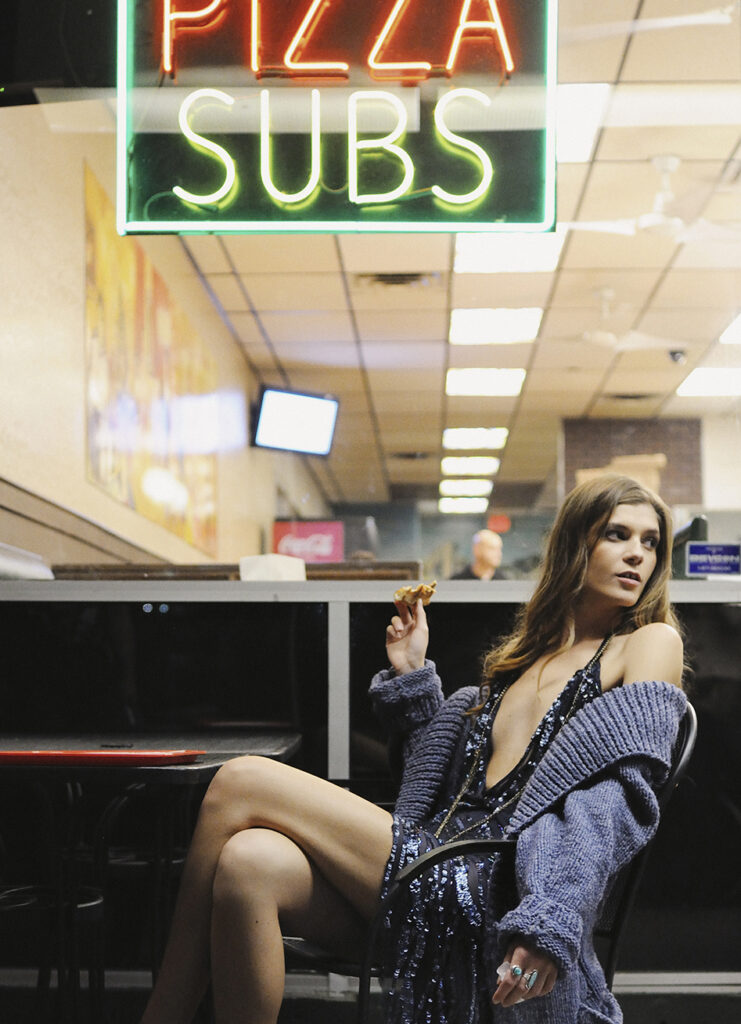
She didn’t just design clothes, she designed connections. Kimberly was a magnet. Models, musicians, photographers, hair stylists, makeup artists, DJs, painters, muralists, graffiti artists, jewelers, milliners, producers, and venue owners all orbited the same creative gravity. She brought people together effortlessly, and once you were in, you showed up.
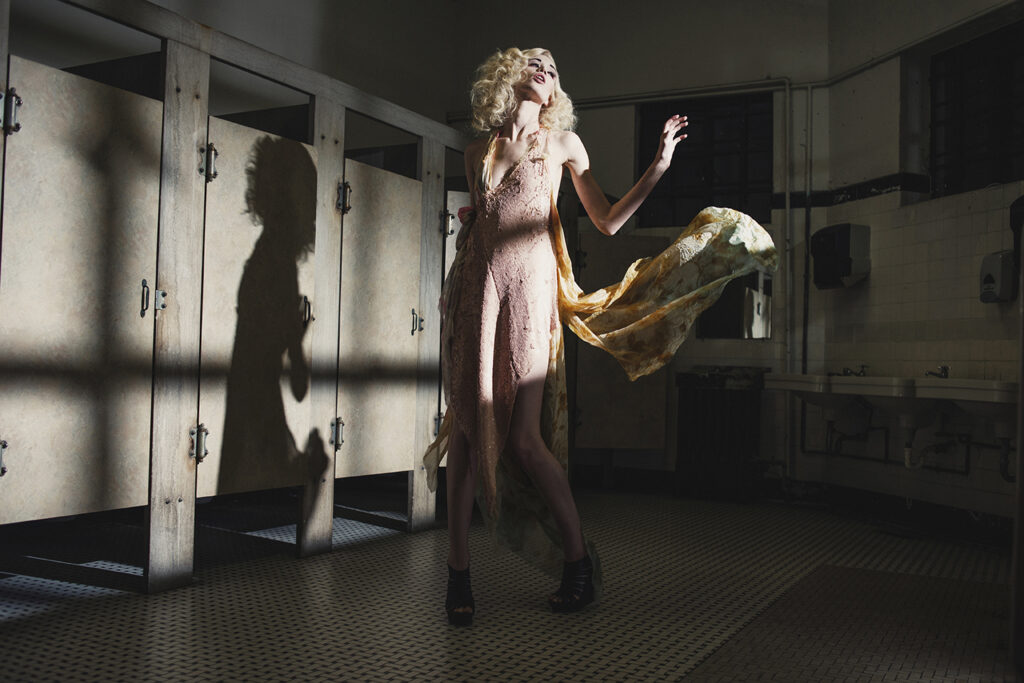
“I want to shoot my clothes in a dirty men’s bathroom.”
“Yes,” I said. Immediately.
That juxtaposition of beauty where it didn’t belong was something I’d been exploring from the beginning of my photography career. With Kimberly, the contrast sharpened. Two creatives trusting instinct and pushing limits together.

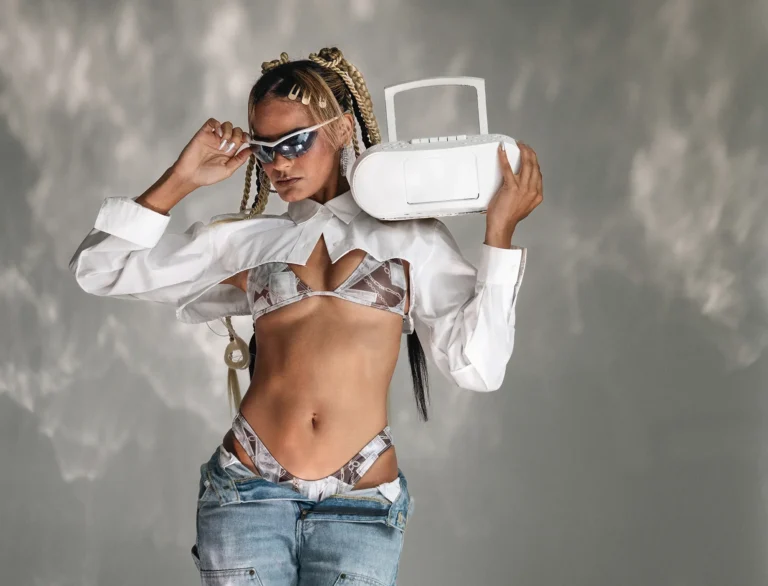
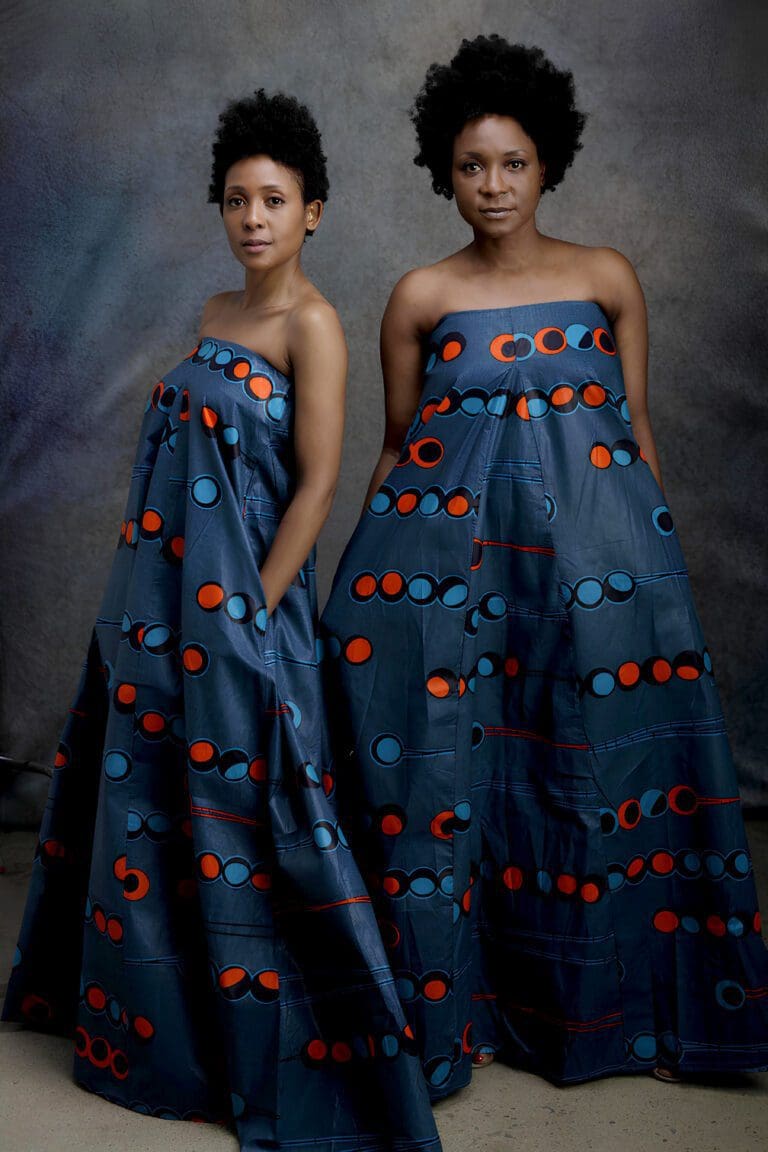
Her aesthetic was refined but never precious. She took something polished and muted it, gave it edge, and let natural beauty come through. My favorite pieces were the ones she deconstructed—shirts and sweaters pulled apart thread by thread, transformed into layered dresses. She would take sequined fabric and boil it, dulling the shine, creating something entirely new.
That process always felt human to me. We all carry scrapes and scars. That’s what makes us one of a kind. Her pieces reflected that truth…. nothing overly perfect, everything intentional. You could feel the passion in the work.
What Kimberly created extended far beyond clothing. She helped shape a scene.

St. Pete felt like a big city that somehow functioned like a small town. We knew everybody, or at least it felt that way. Makers supporting makers. Real collaboration. Real production. Limited social media and limited video. If you missed something, you heard about it the next day and wished you’d been there. A reminder to not miss a wave when you see one.

So many household names were born in that era, and Kimberly’s fingerprints are still all over this city. When people talk about why they moved to St. Pete, they say the art, the culture, the music. She connected much of it. Her influence quietly lives on in studios, galleries, brands, and creative friendships that still exist today.
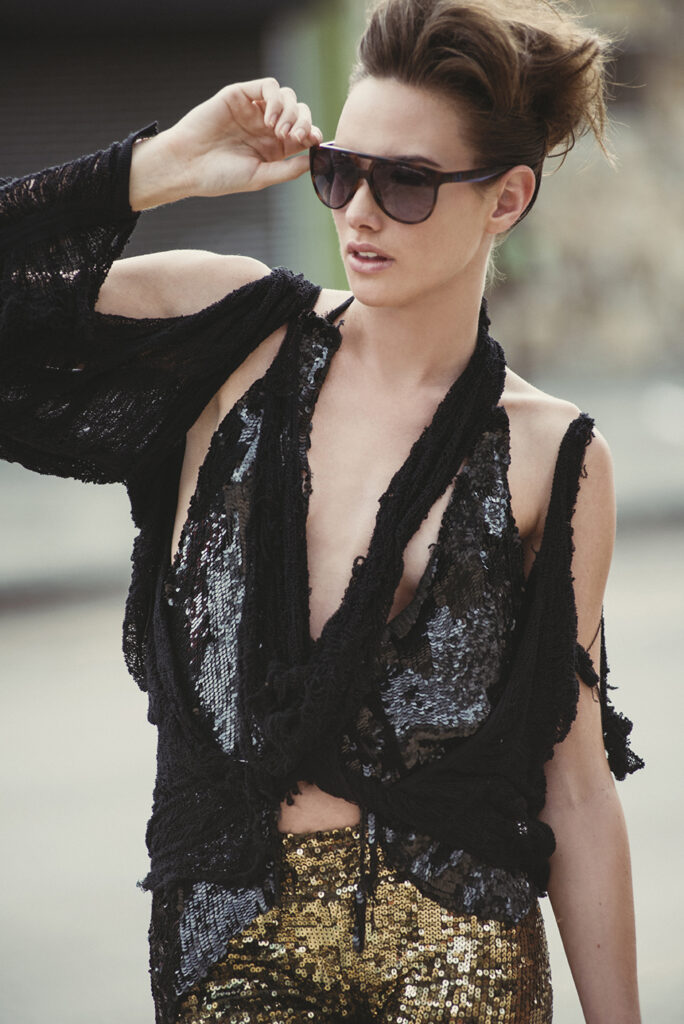
She’s no longer here in the way she once was, but her presence hasn’t faded. It’s embedded in the way we collaborate, in the way we welcome new creatives, in the way St. Pete became a destination instead of a vacation.
That time can’t be repeated. We lived it.
As Fashion Underground moves forward, this column will celebrate the people who build culture from the inside out—the connectors, the risk‑takers, the ones who make cities feel alive.
Be the Kimberly.
I’ll see you out there.
— Brian James